




Workhorse W750 to be Showcased in Clean Energy Roadshow
The Workhorse medium-duty W750 will be featured in the 14th Annual Clean Energy Roadshow, which means the battery-electric truck will be showcased at three locations in Georgia during July.

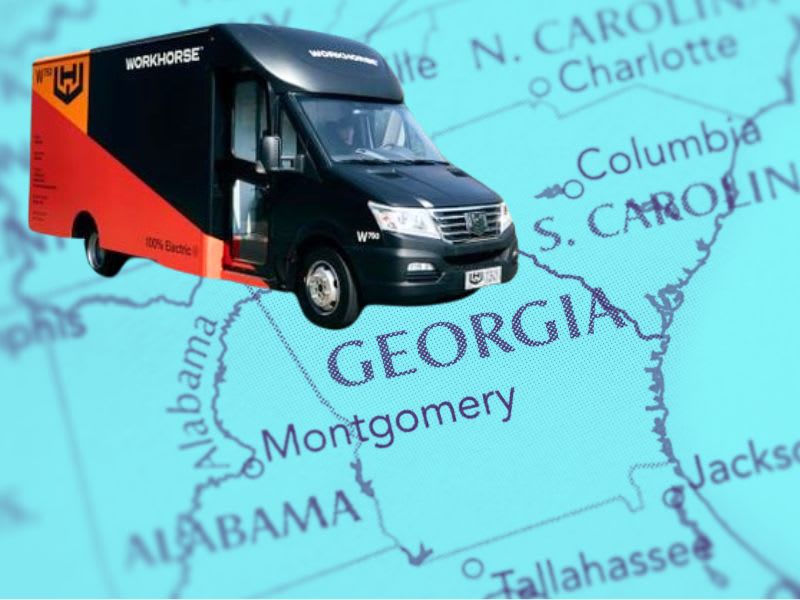
The 14th Annual Clean Energy Roadshow in Georgia will feature Workhorse’s W750, a medium-duty battery-electric delivery vehicle.
Photo: Workhorse/Work Truck
Workhorse Group’s W750 medium-duty EV will be showcased by Electric Commercial Vehicles (ECV), a Workhorse Certified Dealer, at the 14th Annual Clean Energy Roadshow. The event is hosted by Georgia’s Public Service Commissioner Tim Echols and is recognized as the state’s largest showcase for alternative fuel fleet vehicles.
As part of the Clean Energy Roadshow, ECV will showcase the Workhorse W750 medium-duty EV step van. Designed to meet the demanding needs of last-mile delivery, the W750 offers a zero-emission solution for a variety of applications with class-leading payload and range.
The Workhorse W750 will be showcased at three locations:
Riverside Epicenter in Austell on July 9
Savoy Automotive Museum in Cartersville on July 10
Gwinnett Technical College North Fulton Campus in Alpharetta on July 11.
“The W750 delivers outstanding performance as a work-ready, all-electric commercial truck with immediate torque and more power than ICE vehicles,” said Omar B. Sandlin II, director of ECV. “This unit is not only a vehicle which will significantly reduce the annual cost of ownership, it’s also enjoyable to operate and drive. The handling is super responsive, meeting the demands of the driver while providing comfort for the entire workday.”
Showcasing Clean Energy Vehicles in Georgia
The Clean Energy Roadshow is Georgia's original and longest-running new technology vehicle showcase and seminar. This premier event brings together a diverse group of stakeholders, including auto and bus manufacturers, utility partners, and fueling and charging infrastructure suppliers, all dedicated to advancing the adoption of clean energy vehicles.
“We are excited to have ECV showcase our W750 medium-duty EV at the Clean Energy Roadshow,” said Ryan Gaul, president of commercial vehicles at Workhorse. “Education is crucial to the adoption of alternative fuel vehicles, and events like this help fleet operators understand the benefits and practicalities of making the transition.”
The Clean Energy Roadshow is open to all fleet leaders, elected officials, metropolitan planning organizations (MPOs), transportation directors, and private enterprise fleets.
More Vehicle Research
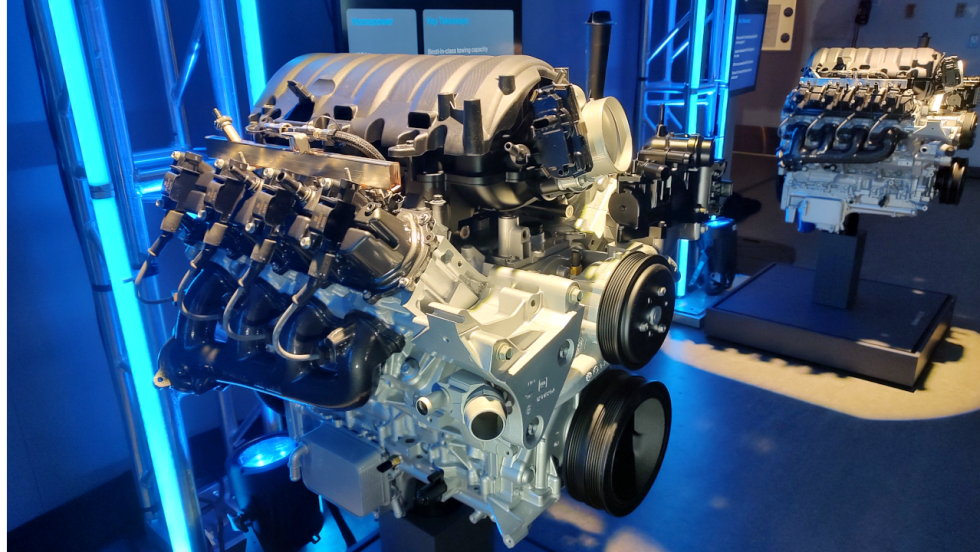
GM Unveils New Sixth-Generation Small Block Engines for 2027 Light-Duty Pickups
General Motors unveiled two new small-block engines, backed by extensive real-world validation and more than 70 years of small-block V8 manufacturing experience, as part of the engine portfolio for the 2027 Chevrolet Silverado 1500 and GMC Sierra 1500.
Read More →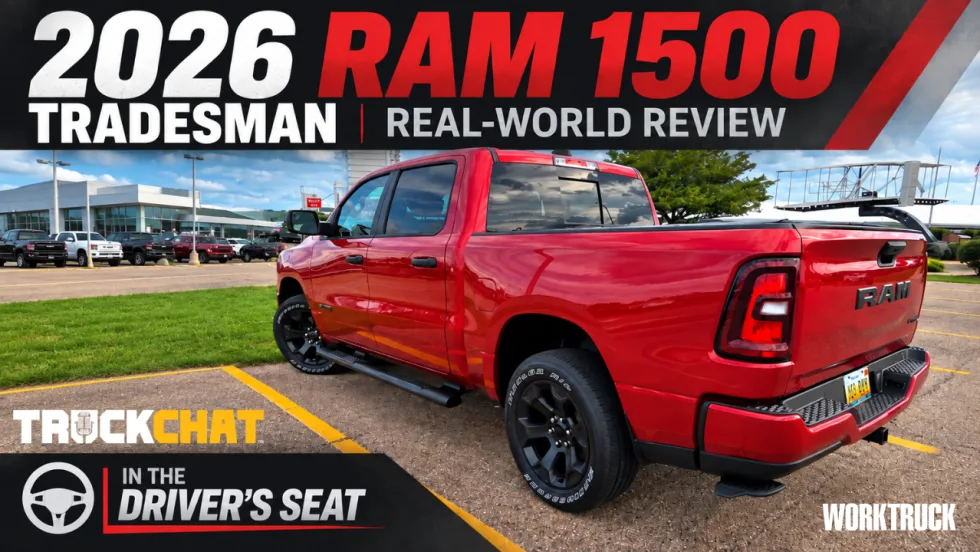
2026 Ram 1500 Tradesman Put to a Real-World Fleet Test
A few days behind the wheel of a 2026 Ram 1500 Tradesman turned into a test of visibility, parking, work-ready features, and even severe-weather driving.
Read More →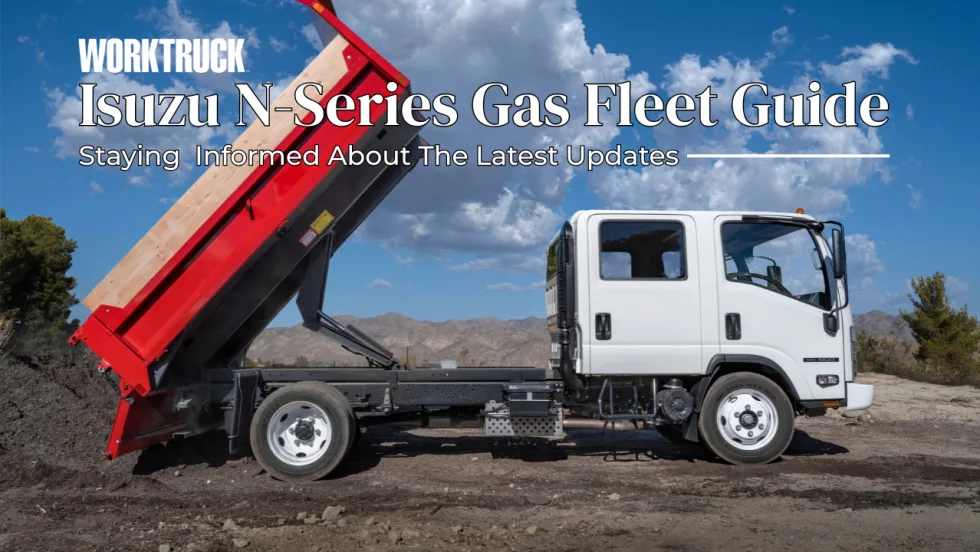
Isuzu N-Series Gas Fleet Guide: Specs, Capability and 2027 Model-Year Updates
Explore Isuzu Truck North America’s N-Series Gas fleet specs, engine performance, GVWR and payload capability, configurations, chassis dimensions, work-focused features, and 2027 model-year information.
Read More →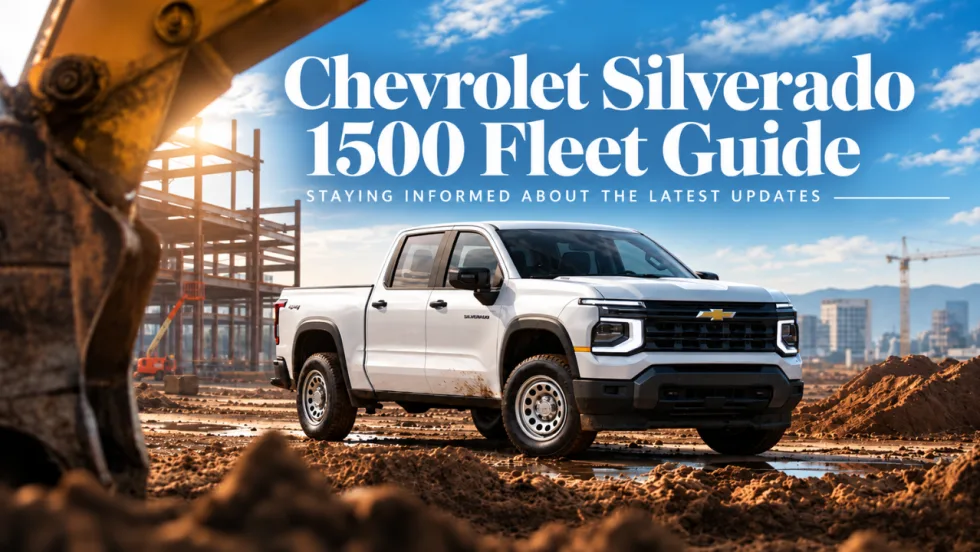
Chevrolet Silverado 1500 Fleet Guide Specs Capability and 2027 Model-Year Updates
The next-generation 2027 Chevrolet Silverado 1500 brings new V-8 engines, updated technology, expanded safety features, and a fleet-focused Work Truck. Here’s what commercial fleets need to know so far.
Read More →
Ram ProMaster City Fleet Guide Specs Cargo Capacity and 2027 Updates
Work Truck’s Ram ProMaster City Fleet Guide tracks the latest specifications, cargo capability, configurations, fleet technology, pricing, and model-year updates for Ram’s mid-size commercial van.
Read More →
Ford F-150 Fleet Guide Specs Capability and 2026 Model-Year Updates
Explore 2026 Ford F-150 fleet specs, engines, towing and payload capability, configurations, work features, technology, and model-year updates.
Read More →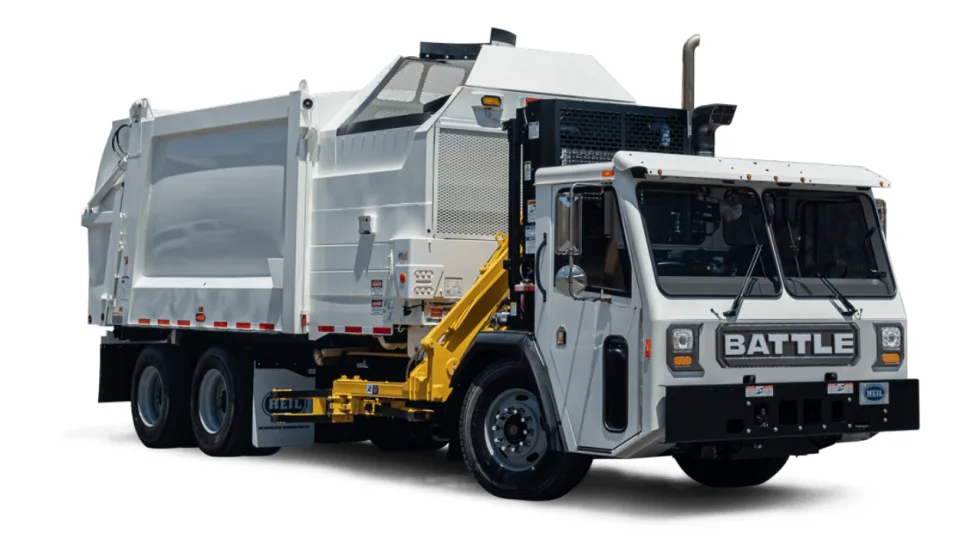
TCI Now Sells & Supports Battle Motors’ Vocational Trucks
Midwest truck dealer Truck Centers, Inc. (TCI) has expanded its transportation solutions with sales and service support for Battle Motors’ heavy-duty vocational trucks at locations in locations in Indiana, Illinois, and Missouri
Read More →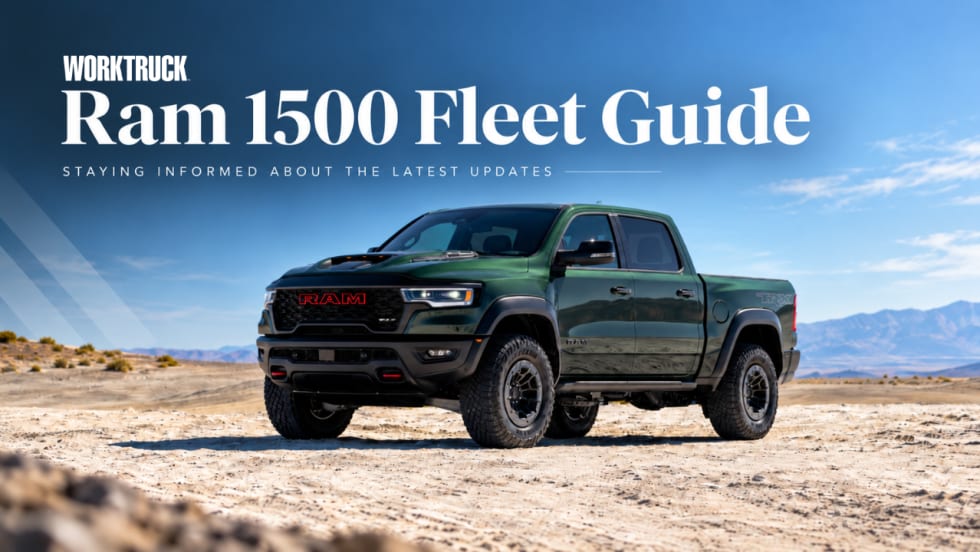
Ram 1500 Fleet Guide Specs, Capability and 2027 Model-Year Updates
Explore always up-to-date Ram 1500 fleet specs, engines, towing and payload capability, configurations, technology, pricing updates, and model-year changes.
Read More →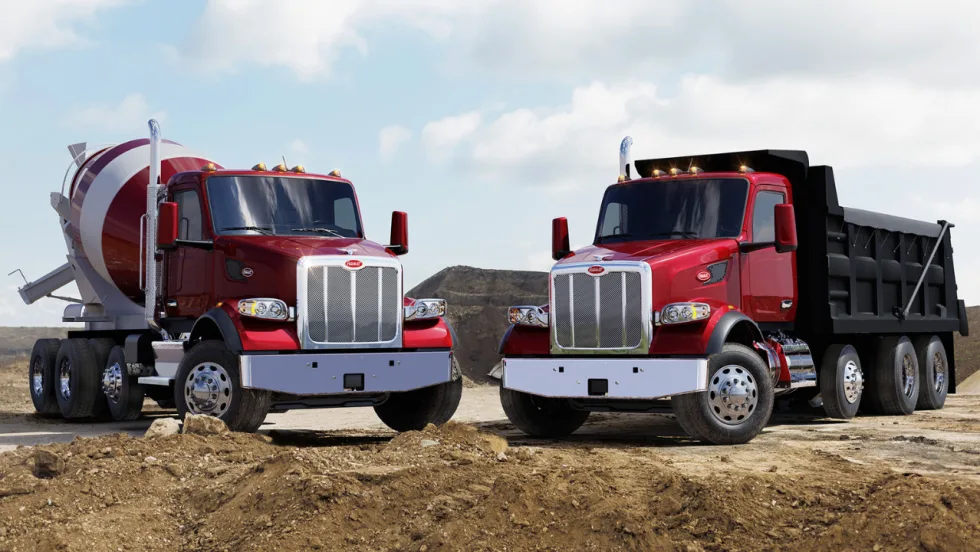
Peterbilt Trucks Equipped with Paccar TX-18 Pro Boost Efficiency for Maryland Fleet
Patuxent Companies is replacing aging trucks with the Peterbilt Model 567 and Model 589, specified with the Paccar TX-18 Pro 18-speed automated transmissions, and is reporting an 8% to 10% improvement in fuel economy.
Read More →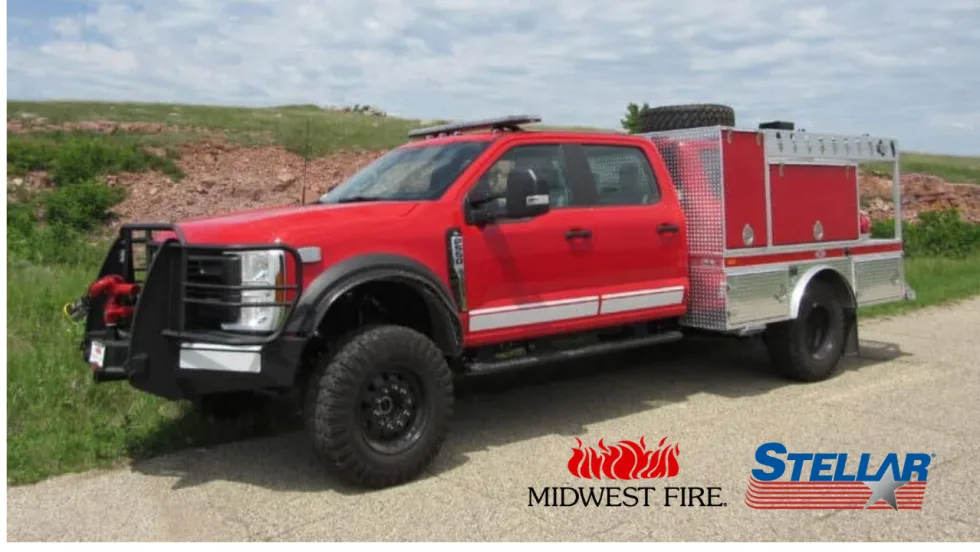
Stellar Expands into Fire Apparatus Market with Acquisition of Midwest Fire
Stellar Industries has acquired Midwest Fire, a custom fire apparatus manufacturer headquartered in Luverne, Minnesota, with nearly four decades of specialized apparatus experience.
Read More →