





AI in Fleet: Leveraging the Benefits and Understanding the Limitations
Study Shows the Fleet Industry Leaders Are Looking to AI to Improve Operations
Leaders are looking to AI to improve vehicle tracking, decision-making, expense planning, administrative work, fraud detection, and worker safety.
December 7, 2023
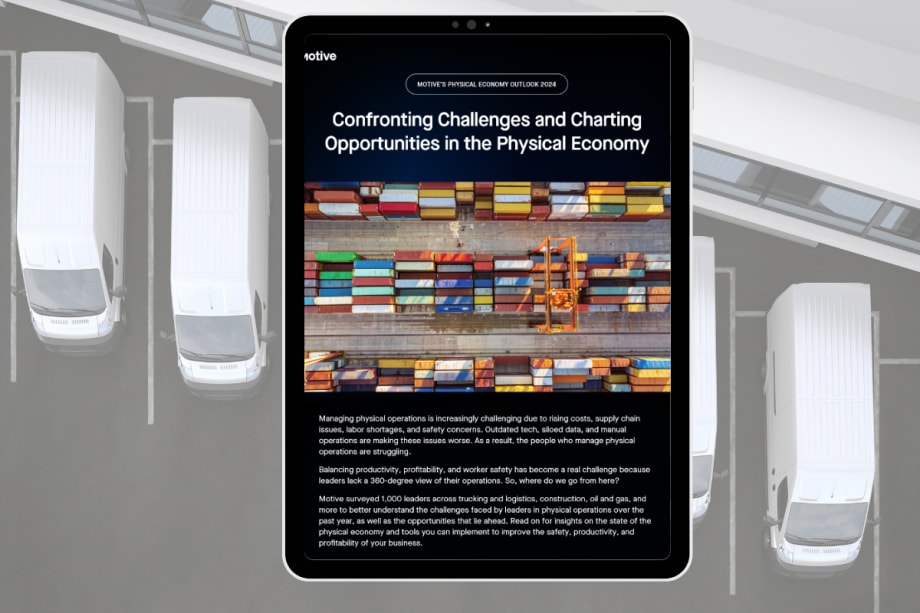
Rising costs, economic instability, and labor shortages left leaders grappling with revenue losses and an uncertain economic outlook.
Photo: Motive/Work Truck
3 min to read
Motive, an integrated operations platform for the physical economy, unveiled a recent study revealing that companies trucking, logistics, oil, and gas sectors incurred an average loss exceeding $1 million attributed to economic volatility, labor issues, and operational inefficiencies.
The Motive Physical Economy Outlook 2024 conducted by Motive, gathered insights from 1,000 leaders spanning various sectors within the physical economy, including trucking, logistics, construction, oil and gas, manufacturing, retail, and more.
This survey aimed to delve into the difficulties encountered by leaders in physical operations throughout the past year and shed light on the emerging opportunities on the horizon.
"Over the past year, leaders in the physical economy grappled with rising uncertainties, escalating costs, increasing fraud, and a scarcity of skilled labor," said Shoaib Makani, co-founder and CEO of Motive. "The need for transformation is evident, with limited visibility and data silos hampering profitability and heightening safety risks. Leaders recognize technology, particularly AI, as a game-changer for automating proactive decisions, improving visibility, and enhancing safety, effectively addressing industry challenges and presenting opportunities across this critical sector of our economy."
Motive's Physical Economy Outlook: Overcoming Losses with AI-Driven Solutions
Key findings of Motive’s Physical Economy Outlook 2024 include:
Rising costs, economic instability, and labor shortages have left leaders grappling with revenue losses and an uncertain economic outlook.
The top five challenges that threatened physical operations in 2023 include rising costs (59%), economic instability (51%), labor shortages and talent retention (45%), supply chain disruptions (42%), and operational inefficiencies (36%).
Half of leaders think that 12 months from now the economy will be better than it is today, while 18% expect it to be about the same, and 32% expect it to be worse.
Leaders lack a single, 360-degree view of their operations due to data silos and lack of integration.
Nearly half (46%) of leaders are using more than ten individual tools to manage their operations, with 30% saying it’s too many to count.
As a result, 58% say they spend most of their time dealing with reactive issues versus proactively managing their workers, fleet, spend, or assets and equipment. 44% of leaders admit to losing track of vehicles at least monthly.
Fraud is an invisible financial drain and leaders struggle to pinpoint its origin or extent.
44% of physical operations leaders say fraud has a big financial impact on their business but they aren’t sure how to find it. Among the c-suite, this jumps to 57%.
On average, leaders estimate 19% of their current fleet spending may be fraudulent with construction leaders estimating fraud to be as high as 22% of spend.
Leaders see technology as one of the only aspects of their operations that they can consistently control.
The top five opportunities for physical operations over the next 12 months include updated technology and software (33%), economic stability (31%), supply chain improvements (31%), increase in demand (30%), and operational efficiencies (29%).
80% of leaders agree that having a single, end-to-end solution to manage physical operations would make their job easier.
From addressing labor shortages to boosting visibility and road safety, AI is becoming critically important for managing physical operations.
The top five areas where leaders see AI bringing the most value include tracking assets and vehicles (43%), more accurate decision-making (40%), expense planning (39%), reducing administrative work (39%), and detecting fraud (38%).
69% of physical operations leaders think AI will have a positive impact on their jobs and nearly a third expect AI to address labor shortages.
73% of leaders agree that roads are safer with AI-enabled cameras and 64% say AI is crucial for preventing accidents and coaching drivers.
More Operations
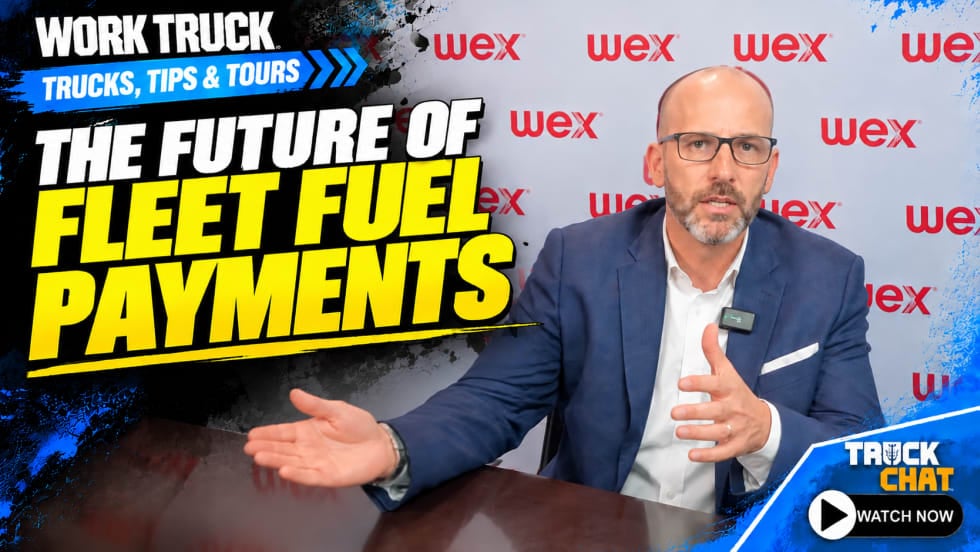
How Cardless Fuel Payments Benefit Commercial Fleets
Is it time for fleets to move beyond plastic fuel cards? David Abraham of WEX explains how cardless fuel payments can help reduce fraud, simplify driver transactions, and improve efficiency by allowing drivers to pay for fuel using their smartphones.
Read More →
Good Fleet Leadership Starts With the People You Already Have
From developing future leaders to listening to employees, discover how better leadership can help work truck fleets retain talent and build stronger teams.
Read More →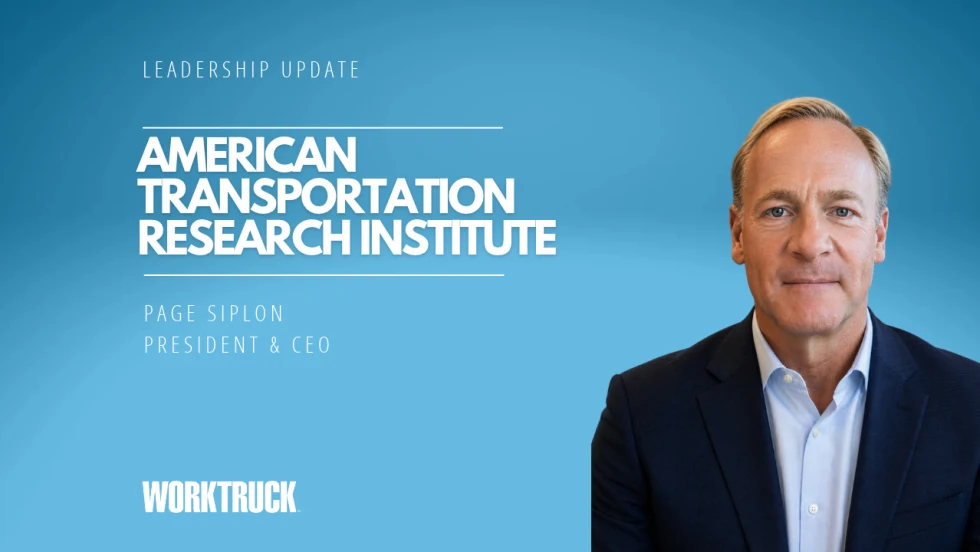
ATRI Names Next President and CEO
Page Siplon, a longtime transportation and logistics industry executive, has been chosen as the next president and CEO of the American Transportation Research Institute (ATRI).
Read More →From Our Partners
Basic Tracking vs Next Generation Fleet Technology
Sponsored by AT&T Business

5 Facts Every Fleet Manager Should Know About Embedded Telematics
Sponsored by Stellantis/Mobilisights
How AI Video Telematics Boosts Driver Safety and Helps to Avoid Unnecessary Costs
Sponsored by Verizon Connect

Charting the 8 Bottom-Line Benefits of Workforce Optimization
Sponsored by Verizon Connect

Coltrain Onsite Fleet Care Sponsors 2026 Cure Bowl to Support Cancer Research
The mobile fleet maintenance provider is supporting the annual college football bowl game, which has helped raise $6.83 million for cancer research since 2015.
Read More →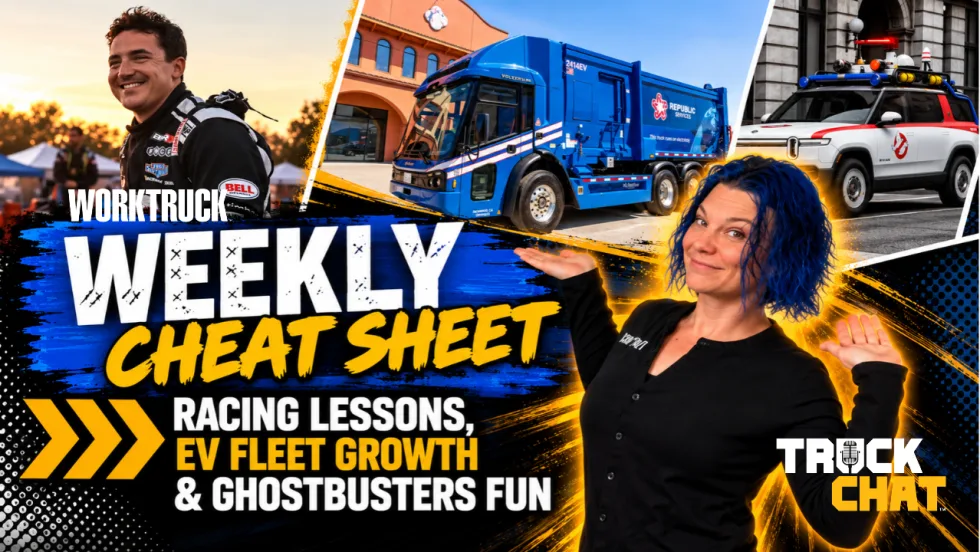
Racing Lessons, Electric Fleet Growth, and Ghostbusters Lead This Week's Work Truck News
Racing lessons for fleets, Republic Services' electric truck expansion, 40 years of fleet wisdom, truck trivia, autonomous yard trucks, and more headline this week's Truck Chat Cheat Sheet.
Read More →
Sponsored•October 14, 2026
A buyer's guide to fleet management software in 2027
Buying fleet management software in 2027 means looking beyond features and price. As fleet operations, technology and expectations evolve, this guide explores what today’s fleet professionals should consider when choosing a system that can deliver value now and adapt to what comes next.
Read More →
How to Build a Lasting Fleet Career by Staying Curious and Connected
Tina Kourakos never planned on a career in fleet. More than 30 years later, she says curiosity, strong relationships, and a willingness to keep learning helped turn an unexpected assignment into a career spanning fleet management and OEM leadership.
Read More →
Think You Know Trucks? Take Our 19-Question Fleet Trivia Challenge
From chicken lights to diesel engines and trucking history, test your knowledge with 19 questions from the 2026 Work Truck Exchange and Heavy Duty Trucking Exchange.
Read More →
Where’s My Truck: Inside the Fleet Logistics Work Nobody Sees
Shades of Fleet video thumbnail featuring Lauren Fletcher beside the text “The People Behind the Process, Keeping Fleets Moving,” with fleet vehicles and logistics imagery in the background.
Read More →
Work Truck Seeks Fleet and Industry Insights on 2026 Trends and 2027 Forecasts
Work Truck is seeking insights from fleet leaders and industry partners on the trends that shaped 2026 and what commercial fleets should prepare for in 2027. Participate today!
Read More →