





Learn More: How Work Truck Fleets Can Improve Employee Retention
FMCSA Unveils $80 Million Initiative to Boost Truck Safety Nationwide
FMCSA allocates $80 million for trucking industry advancements to improve safety on the road.
October 9, 2023

The new funding aims to significantly mitigate the frequency and severity of commercial motor vehicle accidents across the nation.
Photo: Work Truck
2 min to read
The Federal Motor Carrier Safety Administration (FMCSA) under the U.S. Department of Transportation unveiled an initiative with more than $80 million in grant awards as part of President Biden’s Bipartisan Infrastructure Law.
This funding aims to significantly mitigate the frequency and severity of commercial motor vehicle accidents across the nation, while concurrently supporting truck drivers through various strategic interventions.
Grant recipients, including states, local governments, non-profit organizations, and academic institutions, are set to channel these funds into multifaceted projects.
Noteworthy aspects of the High Priority grants involve a substantial 65% increase in funding for truck parking projects compared to the previous year.
This boost is designed to fortify critical efforts supporting truck drivers and enhancing safety measures in work zones, rural areas, and high-impact corridors.
FMCSA Ramps Up Efforts to Enhance Commercial Vehicle Safety
Key initiatives within the grant framework include:
Real-time Truck Parking Access: Funding will facilitate the implementation of dynamic message signs along highways in Kentucky, Delaware, and Indiana. These signs will aid truck drivers in locating available rest area truck parking spaces, thereby addressing a crucial need for efficient and safe parking solutions.
Automated Driver Alerts: Research efforts will focus on automated, location-based driver alerts through electronic logging devices. This innovation aims to keep drivers informed about upcoming work zones, fostering safety for both drivers and construction workers.
Technological Enhancements: The grants will contribute to the enhancement of electronic screening technologies, including automated license plate readers, USDOT number readers, tire monitoring systems, and hazardous materials placard readers. These improvements will fortify vehicle violation detection measures, ensuring a safer road environment.
Combatting Human Trafficking: Outreach and education initiatives will be directed towards combating human trafficking. Recognizing the pivotal role of truck drivers in this effort, the funding aims to leverage their time and attention on the road to raise awareness and address this pressing issue.
On the Road to Safety
U.S. Transportation Secretary Pete Buttigieg emphasized the national responsibility to support truck drivers, stating, “We depend on truck drivers every day, and we have a national responsibility to support their safety and job quality.”
Building on this commitment, the Biden Administration has already invested over $80 million in new truck parking spaces nationwide.
Examples include the RAISE grant for Caldwell County, Texas, which supports the construction of a truck parking plaza, and the INFRA grant for a new truck parking facility between Tampa and Orlando, featuring electric charging stations and enhanced pedestrian infrastructure.
All High Priority grant applications undergo reviews, contributing to the overarching goal of advancing commercial motor vehicle safety on both national and local levels.
More Safety
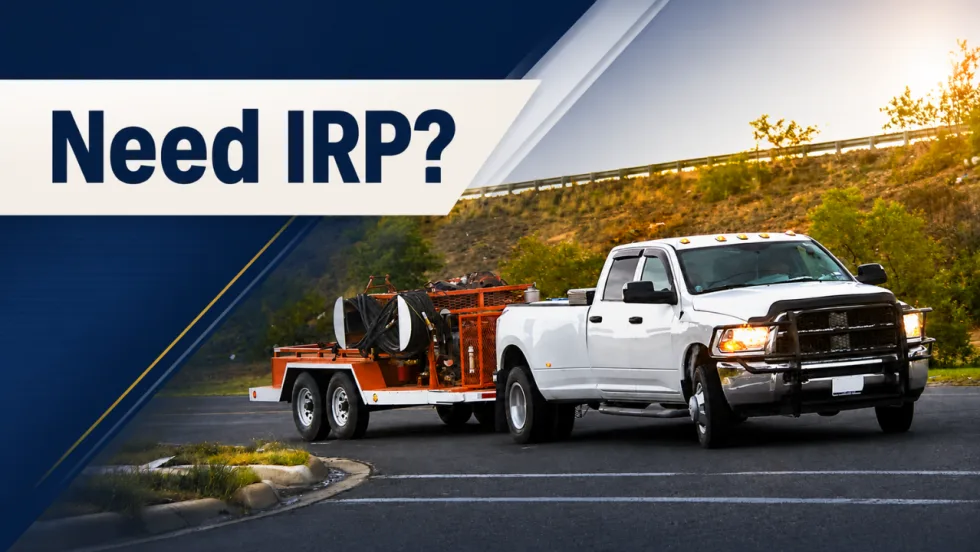
When Work Trucks Under 26,001 Pounds Need IRP Registration
Think trucks under 26,001 pounds are automatically in the clear when it comes to IRP? Not always. Learn where lighter vehicles can still run into trip permit, apportioned registration, and IFTA compliance requirements when crossing state or provincial lines.
Read More →
Volvo Trucks Releases New Safety Recommendations for Traveling with Pets
One of the most important recommendations for professional drivers traveling with pets is to ensure pets are properly restrained while the truck is moving. Other tips are available in the new guide from Volvo Trucks North America and Center for Pet Safety.
Read More →
API Issues Refueling Safety Guidelines
The American Petroleum Institute offers a list of safe vehicle refueling guidelines, including ways to avoid potential problems with static electricity discharges in fall, winter, and early spring.
Read More →
Winter Fleet Prep: Expert Tips to Keep Vehicles Running Smoothly
Cold weather can expose weak batteries, tires, fuel systems, and maintenance gaps fast. Use this winter fleet checklist to prepare trucks and drivers before temperatures drop.
Read More →
When a Work Truck Breaks Down, the Job Can Stop, Too
A work truck breakdown can stop more than the vehicle. Discover how payloads, jobsites, and specialty equipment change the roadside response.
Read More →
What Stronger Long-Term Fleet Service Partnerships Actually Require
Fleet service partnerships rarely fall apart all at once. Learn the three warning signs that trust is eroding and what fleets and providers can do before downtime, frustration, and lost revenue follow.
Read More →
Applause & TRUCE Software Partner to Improve Driver Safety Through AI-Powered Telematics & Employee Performance Management
Applause has integrated TRUCE driving metrics directly into its employee-first performance and safety platform that transforms mobile devices into AI-powered telematics.
Read More →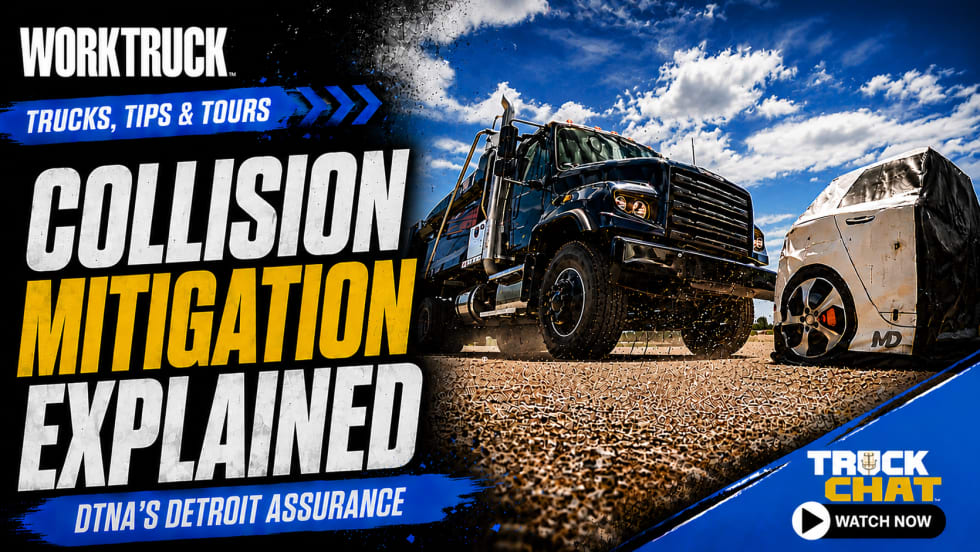
How Detroit Assurance with Active Brake Assist Works
Do you want to see what it is like to experience Detroit Assurance’s Active Brake Assist? In this video, Work Truck will put you in the cab to see how it all works and then hear more details from DTNA’s Mike Young.
Read More →
Get Left of Loss: A 5-Step Workplace Violence Prevention Framework for Fleet Operators
Violence risks do not stop at the driver’s door. Learn five practical steps fleets can take to spot threats early and protect workers before loss occurs.
Read More →
Sponsored•July 17, 2026
How Better Visibility Cut Speeding Violations by 48%
Fleet leaders don't need more data, they need clearer visibility into what the data is saying. This case study explores how one utility replaced speeding-event counts with a single metric — miles driven in violation — to strengthen safety and significantly reduce speeding violations.
Read More →