




Safety First: The Path to Crash Reduction in Fleet Management
Brake Safety Tips for Work Truck Fleets
Prioritizing brake maintenance for all fleets is critical. We’ve got the top tips on how to use technology to improve brake safety.

Hillary Weiss・Senior Editor
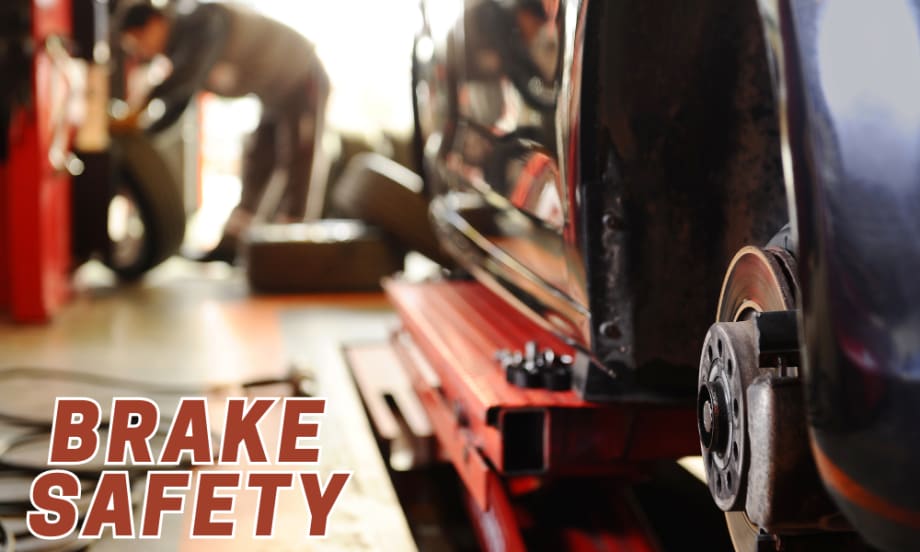
Integrating brake wear sensors and predictive maintenance technology is a game-changer for fleet safety and operational efficiency.
Photo: Work Truck
4 min to read
Safety is a top goal for any fleet manager.
Staying informed about the latest technologies and practices that can help monitor and improve your truck brakes is essential. And brake system safety goes beyond your brake pads.
Fred Fakkema, vice president of safety & compliance at Zonar, details how telematics, GPS technology, brake wear sensors, and predictive maintenance can enhance brake safety in your fleet.
How Your Brake System, Telematics, and GPS Technology Work Together
Telematics and GPS technology offer invaluable tools for monitoring and enhancing brake safety in work truck fleets.
Fakkema stated, "GPS and telematics technology can assist with brake safety in many ways."
To illustrate, fleets can monitor truck brakes effectively by employing an accelerometer, a device that detects hard acceleration and abrupt braking events.
The data collected through this technology can be conveniently accessed via a fleet management portal, enabling fleet managers to pinpoint where these incidents occur and enhance driver performance and behavior through targeted coaching.
Incorporating telematics and GPS technology into the mix further enhances brake safety measures by identifying drivers exhibiting risky behaviors, such as:
Excessive brake system use characterized by harsh braking.
Prolonged brake use.
Failure to downshift when necessary.
Leveraging this data empowers fleets to address these behaviors, improving brake safety across the entire fleet.
Brake Wear Sensors and Predictive Maintenance
Integrating brake wear sensors and predictive maintenance technology is a game-changer for fleet safety and operational efficiency.
Fakkema emphasized, "Brake wear sensors provide a 'real-time' view of the brakes, assisting drivers in thorough pre- and post-trip inspections."
These sensors are especially crucial in newer commercial motor vehicle (CMV) models, where brake linings may not always be visible during inspections.
Predictive maintenance offers real-time analytics to prevent unexpected breakdowns on the road. It allows motor carriers to address issues before they escalate into costly maintenance problems.
Fakkema pointed out that repairing CMVs at terminals is far more cost-effective than on the roadside. Additionally, fault detection aids in understanding what needs to be repaired when responding to incidents on the road, improving overall fleet safety.
Data Collection and Analysis to Prevent Poorly Maintained Brake Systems
Brake-related violations consistently rank among the top five infractions in North America each year. This underscores the critical importance of prioritizing brake maintenance for all carriers.
To enhance brake safety, fleet management software can collect various data points related to braking.
“Brake force is an important data point that should be collected if available. Officers and inspectors nationwide are utilizing the Performance Based Brake Tester (PBBT) more often, which can be used to measure the brake force,” Fakkema added.
Monitoring Driver Behavior During Brake Safety Week and Beyond
Monitoring driver behavior, especially concerning braking, is instrumental in identifying risky behavior patterns and improving overall fleet safety.
Technology can provide insights into hard braking and quick stops, enabling carriers to create driver scorecards and leverage gamification for performance improvement.
Gamification incentivizes safe driving practices, encouraging drivers to adopt better braking habits.
Fakkema said, “Since brakes are always a top roadside violation, fleets should have technology to identify risky braking behavior. Hard braking can wear the brakes out sooner and cause wear and tear on the braking system, which causes a safety risk and potential roadside violations.”
Embracing Tech to Enhance Safety
Brake safety is a vital aspect of fleet management in the work truck industry.
By embracing telematics, GPS technology, brake wear sensors, and predictive maintenance, fleet managers can proactively enhance brake safety, reduce maintenance costs, and ultimately, save road life.
Here are Fakkema’s top brake safety tips for work truck fleets:
Conduct Thorough Pre- and Post-Trip Inspections: Brake safety starts with rigorous pre- and post-trip inspections. Neglecting these inspections can lead to missed brake issues and potential safety hazards.
Prioritize Brake Maintenance: Brake-related violations should not be among the top concerns for your fleet. Make brake maintenance a top priority to ensure the safety of your drivers and the public.
Leverage Technology: Utilize available technology to its full potential. Monitor driver behavior and brake components to maintain a positive safety culture within your fleet.
As Fred Fakkema emphasized, "You can't just talk about it but do it" — take action to ensure the safety of your work truck brake systems.
Subscribe to Our Newsletter
More Maintenance

ARI-hetra Launches 9,000-Pound Capacity Wireless Mobile Column Lift
ARI-hetra said its new lift is the industry's first 9,000-pound-capacity mobile column lift, delivering 36,000 pounds of total lifting capacity, ALI-certified safety, and reliable ball-screw performance for dealerships and medium-duty fleets.
Read More →
Where Are All the Women Technicians? Closing the Gap with Support and Career Pathways
Women make up just 4% of diesel tech roles. Here’s how trucking can attract, support, and retain more women in the shop.
Read More →
What REALLY Makes a Truck Reliable? We Want Your Input!
Work Truck is gathering real-world fleet insight on truck reliability. Share your experience and help shape upcoming editorial coverage.
Read More →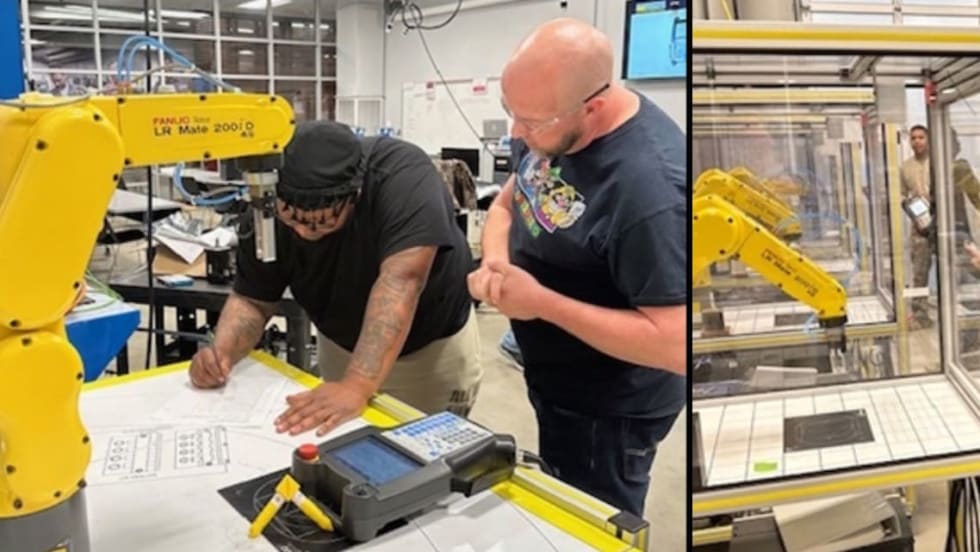
Hands-on Program at Yokohama’s Mississippi Truck Tire Plant Helps Employees Build Skills
Yokohama Tire Manufacturing Mississippi’s Maintenance Apprenticeship Program, in partnership with East Mississippi Community College, combines classroom instruction with on-site experience as employees pursue an associate degree.
Read More →
Sponsored•May 29, 2026
Are You Tracking Your Fleet's True Total Cost of Ownership?
Bobit Business Media surveyed 190 fleet professionals and found that while most fleets are tracking costs, fragmented systems and data gaps are keeping true TCO visibility out of reach. With rising pressure to control spend in an increasingly volatile environment, the gap between what fleets think they know and what the data actually shows is wider than you might expect. See how your peers are managing costs today and where the industry still has room to improve.
Read More →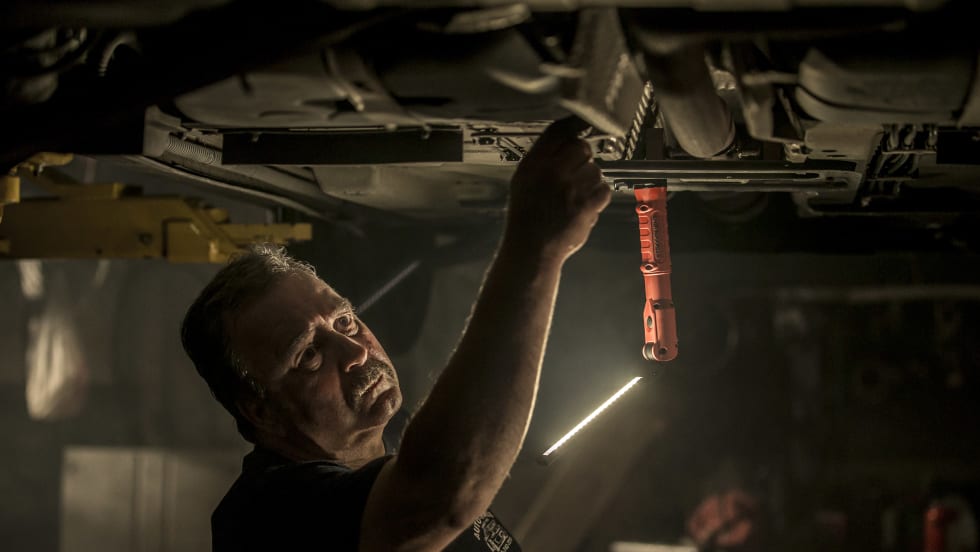
The Power of Inspection Lighting in Modern Fleet Maintenance
Technicians tackle varied tasks every day, but as problem-solvers, they need good illumination during inspections, repairs, and maintenance. So, what makes a good technician inspection light?
Read More →
Kenworth Names 2026 Service Council
Kenworth Truck Company has selected leading Kenworth service professionals for its 2026 Kenworth Service Council, which will promote service and product enhancements. See who was selected and which Kenworth dealers they represent.
Read More →
Why The Skilled Trades Shortage Leads to Opportunity
The skilled trades are short millions of workers, but the upside is big: strong pay, job security, and careers AI can’t replace
Read More →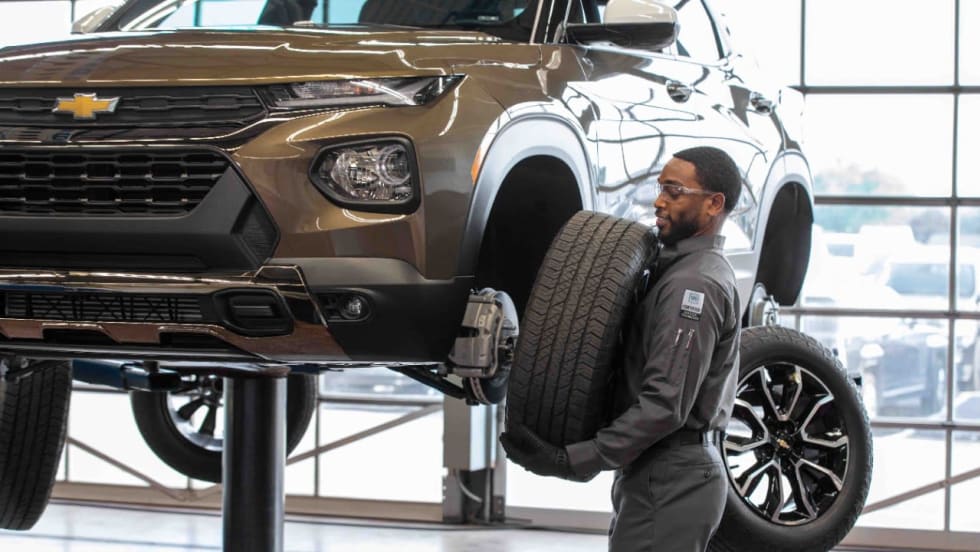
How GM is Growing Skilled Trades Careers Nationwide
In the past year, General Motors has invested nearly $200 million to grow skilled trade careers across the U.S. The goal for GM is to support its current workforce with the skills and development they need while building clear, compelling career paths for the next generation.
Read More →
CMA/Double Coin Announces Appointments
Patrick Etheridge has been promoted to director of OEM/truck stop sales for CMA/Double Coin, and Jose Pfirrmann has been promoted to director of sales for Region 1 for CMA.
Read More →