





Stay Safe: The Crucial Role of Fleet Inspections
Toyota Is Working on 3 Projects to Advance Fleet Safety
Toyota’s Collaborative Safety Research Center plans to launch three new projects as part of its next research phase, dedicated to advancing safety in mobility technologies.
July 28, 2023
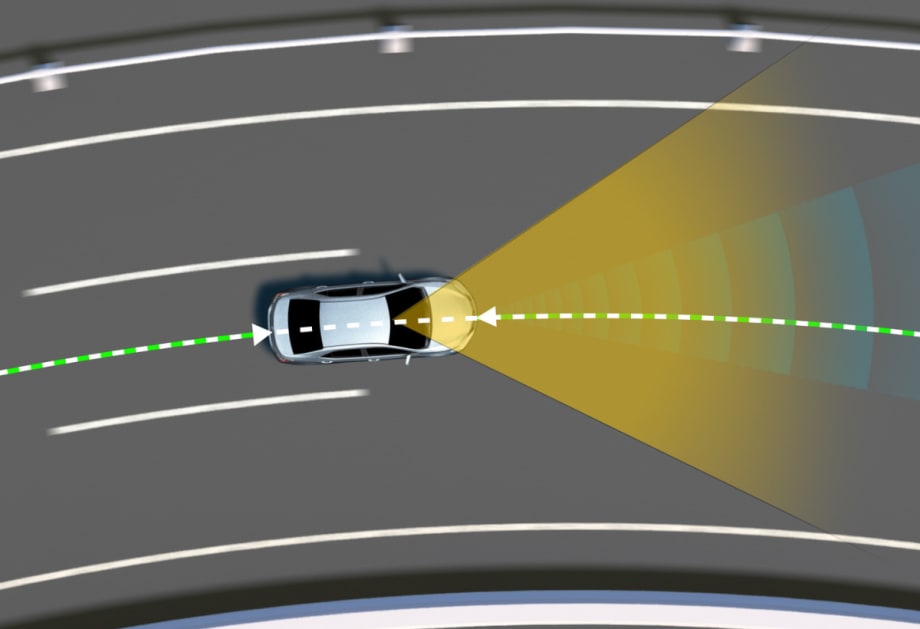
Toyota and its Collaborative Safety Research Center is committed to improving fleet safety.
Photo: Toyota
2 min to read
Toyota’s Collaborative Safety Research Center (CSRC) plans to launch three new projects as part of its next research phase, dedicated to advancing safety in mobility technologies.
The research initiatives encompass various projects, including investigating driver support features for vehicle lane centering, developing an in-vehicle intervention prototype to promote safe driving, and utilizing data to enhance technology aiding driver decision making, all aimed at encouraging safer driving behavior.
In an additional step towards promoting road safety, Toyota has announced its collaboration with the Vulnerable Road User Injury Prevention Alliance at the University of Michigan International Center for Automotive Medicine.
This partnership aims to advance research into collisions involving shared road-users such as pedestrians, cyclists, and e-scooter riders.
VIPA's mission is to foster a comprehensive understanding of common scenarios involving motor vehicles and non-vehicle road users, historically associated with crashes and injuries. Through this collaboration, the ultimate goal is to contribute to the development of effective mitigation or prevention measures, benefiting the industry as a whole and creating safer roads for everyone.
Toyota's Commitment to Safety
Along with the 13 projects announced in 2022, the three new projects are part of the current five-year $30 million commitment to explore diverse safety needs and analyze inclusive mobility options that cater to various applications, physical characteristics and accessibility levels for individuals and society.
The three new research projects are:
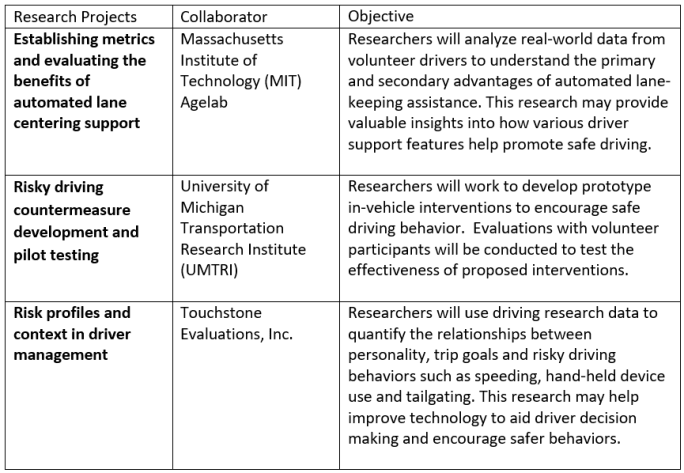
Toyota's Collaborative Safety Research Center new projects.
Photo: Toyota
Toyota created the Collaborative Safety Research Center in 2011 to advance mobility safety for industry and society through open collaborations with universities, hospitals and other institutions.
With current commitments, to date CSRC has received $115 million for foundational and applied safety research, including development of tools and testing procedures related to advanced driver assistance systems (ADAS) and research into human factors on vehicle safety, among others.
The current phase of research 2022 – 2026 at CSRC is focused three key tracks:
Human-Centric: CSRC strives to help ensure that safe mobility technologies are universally accessible and comprehensible, enabling everyone to benefit from them.
Safety Assurance: By investigating traffic environment, human drivers and potential safety hazards, CSRC aims to enhance safe operations and mitigate risks associated with mobility technologies.
Assessment: CSRC focuses on quantifying mobility safety measures to facilitate informed decision-making and drive effective safety strategies.
These new initiatives join CSRC’s roster of 98 research projects with more than 30 different institutions.
More Safety
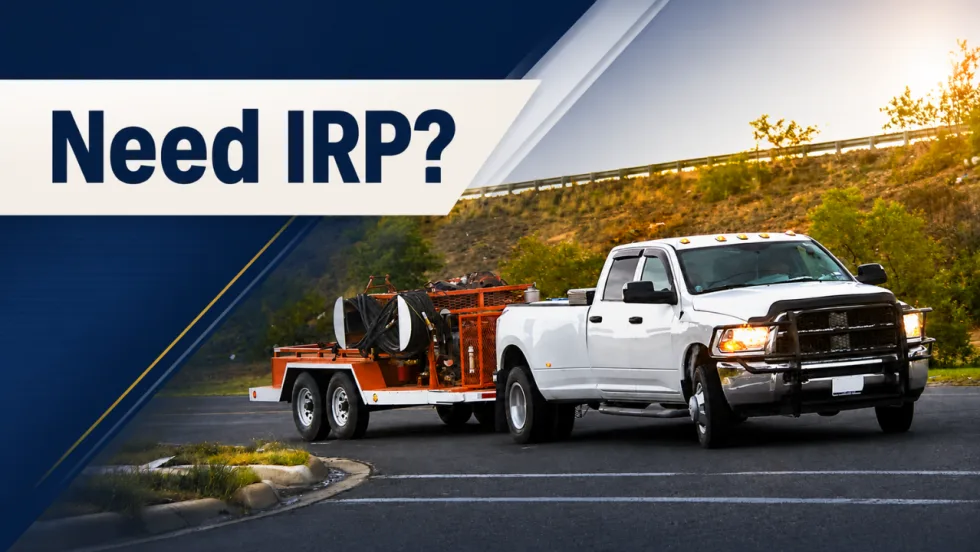
When Work Trucks Under 26,001 Pounds Need IRP Registration
Think trucks under 26,001 pounds are automatically in the clear when it comes to IRP? Not always. Learn where lighter vehicles can still run into trip permit, apportioned registration, and IFTA compliance requirements when crossing state or provincial lines.
Read More →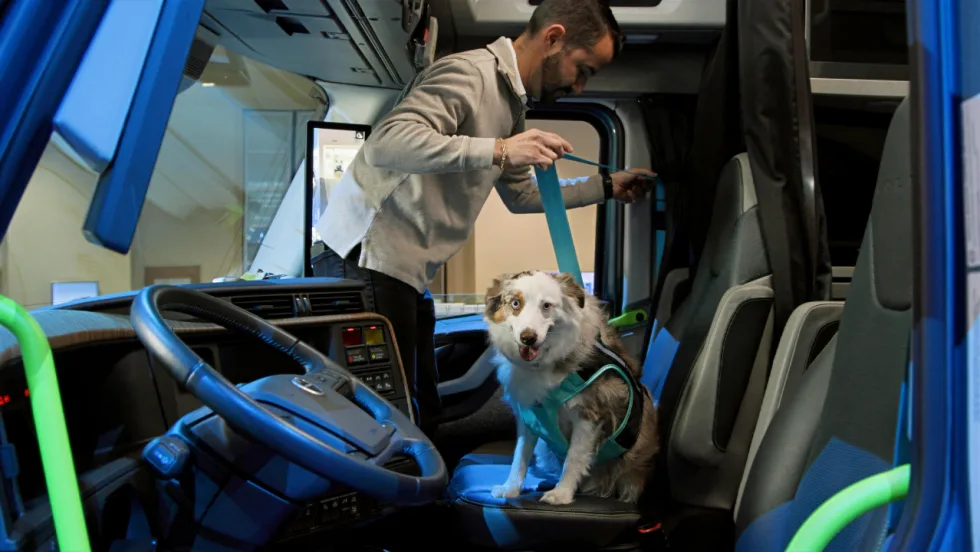
Volvo Trucks Releases New Safety Recommendations for Traveling with Pets
One of the most important recommendations for professional drivers traveling with pets is to ensure pets are properly restrained while the truck is moving. Other tips are available in the new guide from Volvo Trucks North America and Center for Pet Safety.
Read More →
API Issues Refueling Safety Guidelines
The American Petroleum Institute offers a list of safe vehicle refueling guidelines, including ways to avoid potential problems with static electricity discharges in fall, winter, and early spring.
Read More →
Winter Fleet Prep: Expert Tips to Keep Vehicles Running Smoothly
Cold weather can expose weak batteries, tires, fuel systems, and maintenance gaps fast. Use this winter fleet checklist to prepare trucks and drivers before temperatures drop.
Read More →
When a Work Truck Breaks Down, the Job Can Stop, Too
A work truck breakdown can stop more than the vehicle. Discover how payloads, jobsites, and specialty equipment change the roadside response.
Read More →
What Stronger Long-Term Fleet Service Partnerships Actually Require
Fleet service partnerships rarely fall apart all at once. Learn the three warning signs that trust is eroding and what fleets and providers can do before downtime, frustration, and lost revenue follow.
Read More →
Applause & TRUCE Software Partner to Improve Driver Safety Through AI-Powered Telematics & Employee Performance Management
Applause has integrated TRUCE driving metrics directly into its employee-first performance and safety platform that transforms mobile devices into AI-powered telematics.
Read More →
How Detroit Assurance with Active Brake Assist Works
Do you want to see what it is like to experience Detroit Assurance’s Active Brake Assist? In this video, Work Truck will put you in the cab to see how it all works and then hear more details from DTNA’s Mike Young.
Read More →
Get Left of Loss: A 5-Step Workplace Violence Prevention Framework for Fleet Operators
Violence risks do not stop at the driver’s door. Learn five practical steps fleets can take to spot threats early and protect workers before loss occurs.
Read More →
Sponsored•July 17, 2026
How Better Visibility Cut Speeding Violations by 48%
Fleet leaders don't need more data, they need clearer visibility into what the data is saying. This case study explores how one utility replaced speeding-event counts with a single metric — miles driven in violation — to strengthen safety and significantly reduce speeding violations.
Read More →