





The Power of Predictive Analytics: Turning Data into Decisions
Industry Cloud Aims to Simplify Fleet Operations
Ridecell Fleet Transformation Cloud is now available for intelligent automation, keyless vehicle control, and flexible systems integration.
June 26, 2023
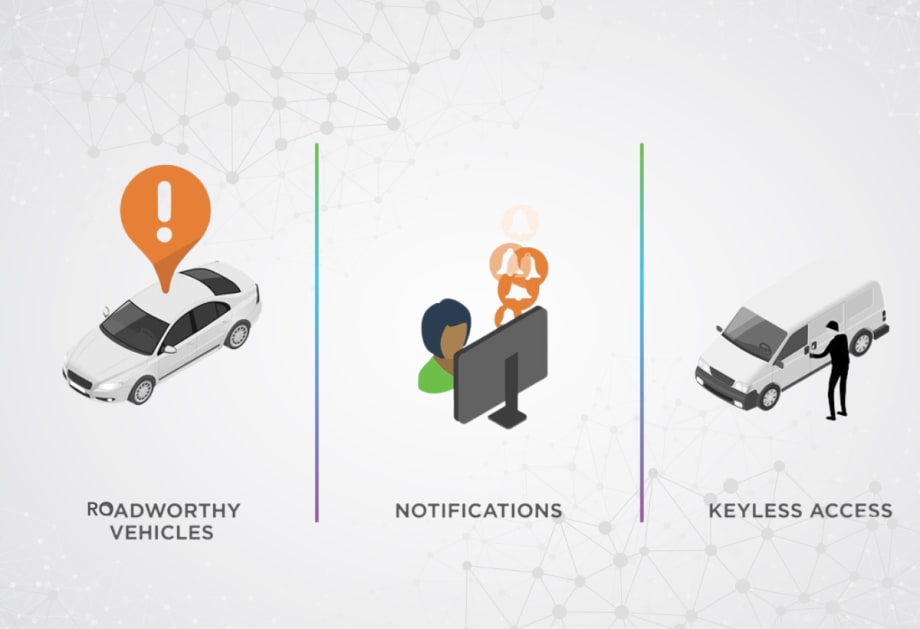
Ridecell Fleet Transformation Cloud is designed to maximize utilization and unlocks big data insights.
Photo: Ridecell/Work Truck
2 min to read
Ridecell now offers an industry cloud to help simplify operations, maximize utilization, and unlocks big data insights.
Ridecell Fleet Transformation Cloud uses intelligent automation, keyless vehicle control, and flexible systems integration to provide workflow and sustainability automations and mobility offerings for vehicle fleets.
Help Existing Fleets Transform Operations
The following offerings are available with the Ridecell Fleet Transformation Cloud.
Ridecell Operations 360: Revolutionizing Fleet Operations and Lifecycle Management
Ridecell Operations 360 enables businesses to easily automate fleet operations and lifecycle management for every phase of the vehicle’s lifecycle. This includes:
Sourcing.
Operating.
Remarketing.
Intelligent API integrations help fleets integrate their existing IT and vendor systems, unifying real-time data for all vehicles within the fleet.
Ridecell Sustainability: Ridcell Sustainability allows fleets to reduce emissions and fuel costs while prioritizing driver safety significantly.
For example, engine idle control minimizes unnecessary idling while meeting compliance and sustainability goals by intelligently locking and shutting off idling vehicles when required.
Ridecell Mobility Solutions: Built-in support for keyless access and automations for monetized fleets, Ridecell Mobility offers a modern user experience for all shared and rental vehicles.
Integrated management processes allow vehicles to easily be exchanged from one service to another or participate in multiple service offerings simultaneously.
Achieving Digital Transformation Through Fleet Automation
The Ridecell Fleet Transformation Cloud is based upon four core platform pillars: intelligent automation, keyless vehicle control, flexible systems integration and AI/ML insights.
Intelligent Automations
Intelligent workflow automations are triggered by multiple fleet data sources, including vehicle data, internal IT systems, driver-reported conditions and vendor data allowing fleet teams to deploy automations as “digital workers” to manage routine and predictable operational tasks.
Keyless Vehicle Control
Keyless vehicle control adds the ability to switch from physical keys associated with vehicles to digital keys that are associated with drivers.
A digital key can be issued in the Ridecell Fleet Transformation Cloud to provide access rights to the right driver in the right vehicle at the right time, including maintenance technicians to ensure timely vehicle repairs.
Flexible Systems Integration
Flexible systems integration provides insights and recommended actions for automation. The cloud comes with a set of packaged components and developer tools to connect vehicles, suppliers and IT systems, providing the ability to see and act upon insights from the collective data captured by all fleet management systems used to oversee fleet operations.
AI/ML
AI/ML and intelligent automation are now becoming a part of the popular lexicon. The Ridecell Fleet Transformation Cloud brings big data insight capabilities unaddressed with installed solutions as the next step in the digital transformation of fleet-based businesses.
Topics:Operations
More Operations
Family Ties Inside the Fleet Families Building Careers Across Generations
Three fleet families share what it really takes to work together, learn across generations, and keep business from following them home.
Read More →
Shades of Fleet Call for Voices: Fleet's Hidden Heroes
Fleet’s hidden heroes are often the ones keeping everything moving behind the scenes. September’s Shades of Fleet is looking for dispatchers, coordinators, parts specialists, and other support pros to share their stories.
Read More →
Truck Centers, Inc. Celebrates National Truck Driver Appreciation Week with $1,000 Fuel Card Giveaways
During National Truck Driver Appreciation Week, Truck Centers, Inc. is offering customers a chance to fuel up for free. Customers at all Truck Centers locations can enter to win one of four $1,000 fuel cards from Sept. 14 - 18.
Read More →
Fleet Guides, AI Time-Savers, Truck Tariffs & Fuel Strategy Lead the News
This week’s Truck Chat Cheat Sheet covers new fleet vehicle guides, practical AI use cases, U.S.-Canada truck production, mixed-energy strategy, and more.
Read More →
What Fleet Employers Are Missing When Hiring Veterans
What if some of the strongest candidates for fleet are already out there, but their experience is written in a language our industry does not always recognize?
Read More →
Automotive Fleet Opens 2026 Personal Use Survey for Commercial Fleet Managers
Less than two weeks left! Commercial and corporate fleet managers are invited to share how their organizations handle company vehicle personal-use policies, charges, and driver eligibility.
Read More →
What Resilient Fleets Do Differently When Conditions Change
Fleet resilience is about more than reacting to disruption. Lauren Fletcher talks with AP Fleet’s Alex Coveney about flexibility, planning, scaling, and what helps fleets adapt when business conditions shift.
Read More →
If We Want the Next Generation in Automotive, We Have to Give Them a Reason to Care
The automotive industry talks constantly about its workforce shortage. But before we can recruit the next generation, we may need to do a better job giving kids a reason to care about automotive in the first place.
Read More →
Ram ProMaster City Under $40K, Truck Tariffs, and AI Maintenance Lead the News
A sub-$40K commercial van, tariff questions, AI-powered maintenance, and a new EV production strategy headline this week’s Truck Chat Cheat Sheet.
Read More →
Bob Adamsky Shares the Fleet Lessons You Usually Learn the Hard Way
After more than 30 years in fleet, Arrow International’s Bob Adamsky has learned that the job is about far more than vehicles. He shares the lessons he wishes every fleet manager could learn a little earlier.
Read More →