




Learn More: Meet the Inaugural Work Truck Editorial Advisory Board
First Work Truck Advisory Board Meeting Tackles EVs, Management, and More
The group with a combined professional experience of over 200 years addressed current issues and provided insight for future articles.

Lexi Tucker・Former Senior Editor
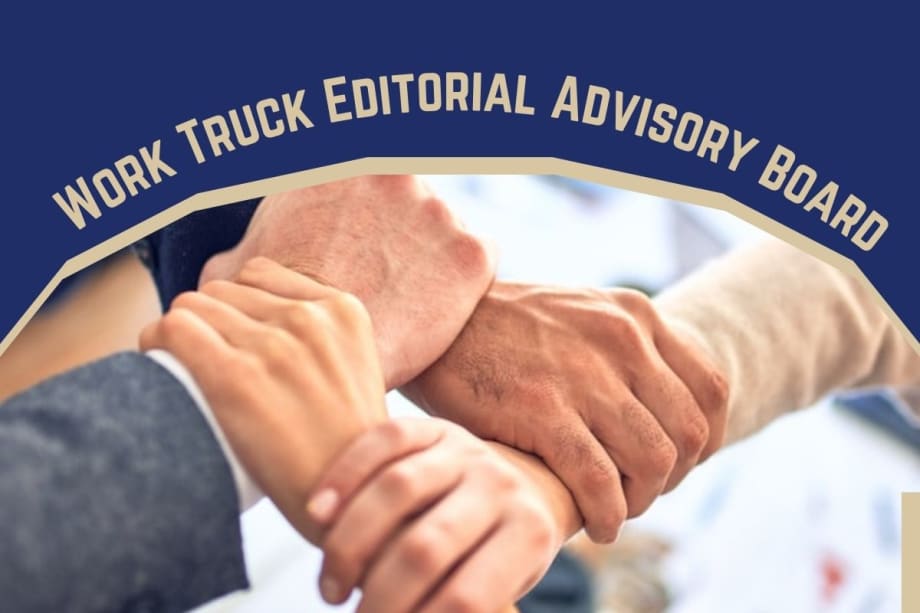
The group with a combined professional experience of over 200 years addressed current issues and provided insight for future articles.
Photo: Unsplash
4 min to read
Work Truck’s editorial advisory board had its first meeting on January 25, 2022. The inaugural class of fleet professionals wasted no time in getting straight to the issues that matter most to them, which will help guide the direction of future content so readers can benefit from the insight they bring.
Hottest Topic: Electrification
It’s obvious that as mandates are made and hype explodes, many fleets are struggling with determining how electric vehicles (EVs) are going to fit into their operation. Matt Betz, expert fleet optimization for DTE, said his organization has developed a change management program to ensure drivers are comfortable with EVs and other aspects of the lengthy, complicated process.
Retired fleet executive and independent consultant Pete Silva, who also has experience as an environmental liaison, noted the process isn’t just about buying vehicles and installing chargers.
“I get a lot of calls from investors trying to figure out where they should put their money in the electric vehicle space. That is putting pressure on the whole industry to figure it out and everybody's trying to get their leg in to be a player,” he explained.
Fleet managers are used to buying trucks, putting them on the road, maintaining them, and getting rid of them. Large fleets can only implement 10 - 20 EV trucks at a time due to the experimental nature of such a project. Obtaining grant funding, dealing with long lead times on vehicles, and installing infrastructure adds months and even years onto such a project.
“There's got to be some breakthrough on the ease of implementation from start to finish so fleets can do more than five at a time,” Silva stated.
Betz suggested Work Truck could help create an outline, and each fleet who wants to use it can tweak it to make it their own.
Amy McAdams, CAFM, fleet manager for Farmer Brothers says while her company tries to operate as sustainably as possible, the problem with implementing EVs lies in having service techs who serve a two-state area where they might not have time to stop for a long charge or there might not be charging stations near enough for them to complete their route in one go.
Saving Money by Preventing Theft, Improving Maintenance
McAdams mentioned catalytic converter thefts and suggested it might be possible to develop the same technology without the rare metals that are so enticing to thieves.
“I use technical education from OEM’s. Making sure we are getting the root cause analysis on all repairs is critical. Subsequent failures following a repair can hit our utilization and budgets hard. Gaining knowledge into the function of each manufacturer engine and certainly aftertreatment has been a key component in saving money and lost utilization,” Sandy Martin, corporate fleet manager for Ram Tool Supply, stated.
“Setting expectations that all repairs/diagnostics are following the manufacturer’s troubleshooting charts and utilizing warranty on progressive failures for failed parts is key in initial and annual conversations with manufacturers. This is a great topic when doing pilot reviews and spec revisions with the dealers and manufacturers. Many times, a unit will go to a dealership and we experience delays in diagnostics, parts swapping, etc. Setting the expectation initially with a dealer is a great way to do business. It never hurts to be the expert when you experience duplicate failures, either.”
Telling Your Story
As companies grow and ownership changes, how do you properly tell your story to a board, corporate ownership, or even drivers to get certain things you want to accomplish, done?
Betz said part of properly doing so is asking yourself how you can change your own behavior to make sure people understand what you’re doing and communicating that better.
McAdams said, “I’m not going to go screaming from the rooftops about everything I've done; my work speaks for itself. But I sometimes will drop a little knowledge that the CEO might not be aware of. For example, the last two years we had 75 nonoperational vehicles sitting around, and I sold them and brought a million dollars into the company. We have to learn to do that more because nobody else is going to sing our praises better than ourselves.”
Prioritize Digitizing, Fixing Small Issues
Betz stated a topic worth looking at is how fleet managers can catch up quickly after coming into an organization that has yet to digitize its important files.
The importance of repairing minor collision damage was another point he was interested in learning the benefits of. When mechanics skip over small chips and dents, vehicles continue to deteriorate and can only be sold for scrap. Naturally, it may be more worth a fleet manager’s time to be vigilant and made abreast of smaller repairs.
What’s Up at the Ports?
Toward the end of the meeting, Silva brought up the bottleneck issues at the ports, stating it would be interesting to see how drayage companies are dealing with it.
More Operations
Where’s My Truck: Inside the Fleet Logistics Work Nobody Sees
Shades of Fleet video thumbnail featuring Lauren Fletcher beside the text “The People Behind the Process, Keeping Fleets Moving,” with fleet vehicles and logistics imagery in the background.
Read More →
Work Truck Seeks Fleet and Industry Insights on 2026 Trends and 2027 Forecasts
Work Truck is seeking insights from fleet leaders and industry partners on the trends that shaped 2026 and what commercial fleets should prepare for in 2027. Participate today!
Read More →
It's 10 p.m... Do You Know Who Has Access to Your Fleet?
Preventing cargo theft requires investment in technology, operational processes, and employee training. In an industry with tight margins, it can be difficult to justify investments whose value is measured by incidents that might never occur.
Read More →From Our Partners
Basic Tracking vs Next Generation Fleet Technology
Sponsored by AT&T Business
5 Facts Every Fleet Manager Should Know About Embedded Telematics
Sponsored by Stellantis/Mobilisights
How AI Video Telematics Boosts Driver Safety and Helps to Avoid Unnecessary Costs
Sponsored by Verizon Connect

Charting the 8 Bottom-Line Benefits of Workforce Optimization
Sponsored by Verizon Connect

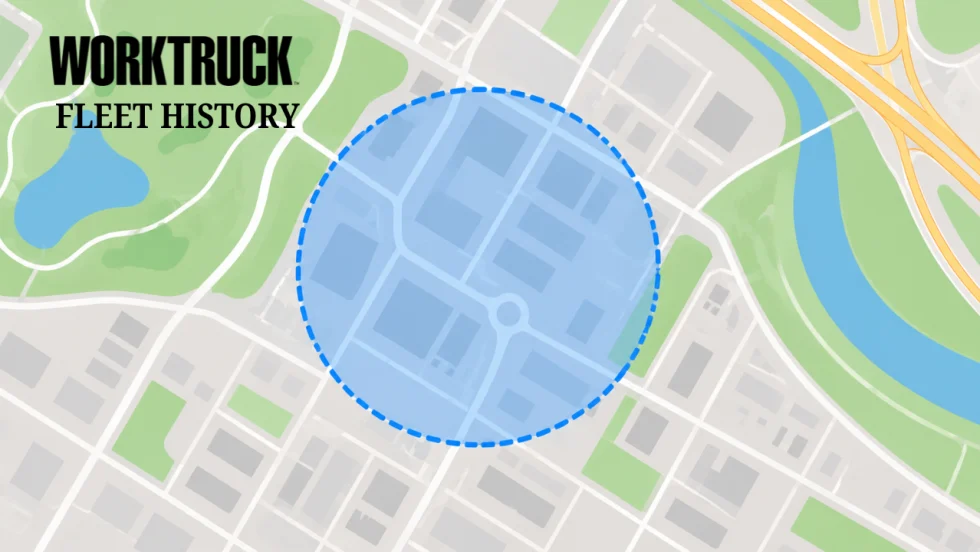
GeoFencing Adds to Your Truck Security Arsenal
Geofencing is a familiar fleet tool today, but its early adoption marked a major shift in vehicle tracking, route monitoring, and the debate over employee privacy.
Read More →
Truckers’ Strike Rumors, New GM Engines, and Hidden Idling Costs Lead This Week’s News
Truckers’ strike rumors, GM’s new 2027 engines, hidden idling costs, racing lessons, IRP rules, and more headline this week’s Truck Chat Weekly Cheat Sheet.
Read More →
Shades of Fleet Wants to Hear From You About Building a Culture of Care
Fleet leaders, we want to hear from you. Share how empathy, trust, and creating space for people can strengthen your team, improve performance, and support retention.
Read More →
What Racing Can Teach Work Truck Fleets About the Work Nobody Sees
Race car driver and mechanical engineer Isaac Johnson shares practical lessons on preparation, relationships, setbacks, and building teams that perform when it counts.
Read More →
New Fleet Guides, Hidden Truck Wear, and Driver Fit Lead This Month
Our latest Truck Chat recap covers new Fleet Guides, hidden idling costs, driver fit, lighter-truck registration rules, and year-round technician appreciation.
Read More →
Work Truck Takes Fleet Rivalry Downhill to Support Skilled Trades
Team Fletcher claimed a head-to-head win and second overall as Work Truck and Automotive Fleet helped raise $22,000 for the Hourglass Foundation.
Read More →
From Ledger Books to AI Patti Earley Shares 40 Years of Fleet Lessons
Patti Earley, CAFM, shares what four decades in fleet have taught her about using data, building relationships, and listening to the people behind the vehicles.
Read More →