




Celebrating 15 Years of Work Truck
Launched in March of 2007, Work Truck has been educating vocational truck, van, and SUV fleet managers for the past 15 years.

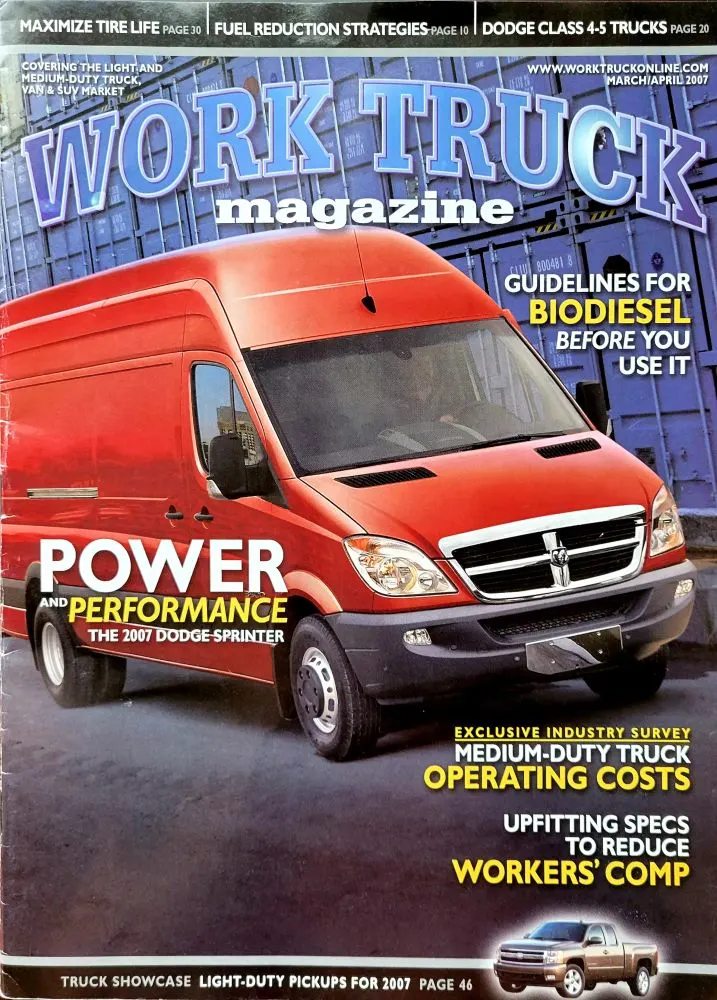
The first issue of Work Truck debuted in March of 2007 and started 15 years of educating and informing vocational work truck fleet readers.
Image: Work Truck
Launched in March of 2007, Work Truck has been educating vocational truck, van, and SUV fleet managers for the past 15 years. And on this anniversary of the magazine and brand, I thought it would be apt to take a quick look back at the past 15 years plus take a short gander into the future.
The traditional gift for a 15th anniversary is crystal, noted for its ability to endure as well as having clarity, light, and durability. Work Truck has worked hard over a decade and a half to bring clarity to major issues, light the way to help you make tough decisions, and has lasted and will continue to last and be your dependable resource far into the future.
Looking Back
Since Volume 1, Issue 1, Work Truck’s goals have always been to be the No. 1 resource to educate and inform vocational fleet managers. It has been an honor and a joy to be a part of this publication since the very first issue.
Work Truck prides itself on staying on top of the news, trends, and major events that matter most to truck fleet managers and drivers.
In the past 15 years we have seen growth in electric trucks, an explosion in last-mile delivery, the birth of new truck brands and the death of others.
We have witnessed a shift in generations of drivers and managers and saw a growth in hiring and retention.
There has been growth in technology as a major component of efficient fleet management. From the basic reporting and tracking of yesterday, today’s vehicles are mobile computers and data centers.
Checking in Today
We couldn’t look back at the past 15 years without a quick stop where we are today. As I’m writing this, the COVID-19 pandemic has officially passed its one-year anniversary and has been a major disrupter in just about everyone’s day-to-day lives.
Truck drivers are needed and depended on more than ever and have been truly essential in keeping our world moving during these incredibly difficult times. And trucks that can handle larger loads in more urban environments are needed more than ever.
And hiring and driver retention concerns are still stronger than ever.
But, we are also seeing a growth in alternative-fuel options and capabilities that are finally making their way into the work truck world. While still in early stages, more and more fleets are working toward zero-emission goals.
Looking Ahead
Looking back I don’t think anyone could have anticipated that we would be where we are today, which makes it all the more difficult to look ahead.
The future seems filled with possibilities, from growth of alternative-fuel sources, the possibility of autonomous driving, and the need to inspire and educate a new generation of fleet managers and drivers to continue shepparding this incredible industry and profession well into the future.
It’s going to take the continued innovation and resilience that trucks and truck fleet managers are known to embody.
What do you see as some of the major changes, accomplishments, and defining moments of the past 15 years? E-mail me, let’s chat!
Lauren Fletcher, Executive Editor
Lauren.Fletcher@bobit.com
More Blog Posts

4 Ways to Keep Fleet Nightmares Off Your Halloween Schedule
Don't let the fear of vehicle mishaps spook you! Check out these four tips to ensure your work truck fleet stays on the road, safe and sound, during this hair-raising season.
Read More →
Short Drivers Need to Be Part of the Work Truck Spec, Too
The average truck driver may be around 5'9" for men and 5'4" for women, but fleets aren't spec'ing trucks for averages. Here's what shorter drivers need fleets to consider, from seat height and visibility to 360 cameras, seat belts, and cab access.
Read More →
Does Your Fleet Policy Cover In-Vehicle Gaming?
As in-vehicle gaming, streaming, and connected entertainment expand, fleet policies may need an update. Here’s what fleet managers should be thinking about now.
Read More →
You Can't Tariff an Aluminum Smelter Into Existence
The U.S. wants to rebuild domestic aluminum production, but work truck manufacturers still need material today. What happens to costs and supply in the meantime?
Read More →
Can America Replace Canadian Truck Production Without Hurting U.S. Fleets?
U.S. tariffs are targeting Canadian truck production, but Ford and GM show why moving that manufacturing south isn’t so simple. After 60 years of building one North American supply chain, what could fleets lose by pulling it apart?
Read More →
The Fleet Skills We Keep Missing on Veterans’ Resumes
What if some of the strongest candidates are already out there, but we are overlooking them because their experience is written in a language our industry does not always recognize?
Read More →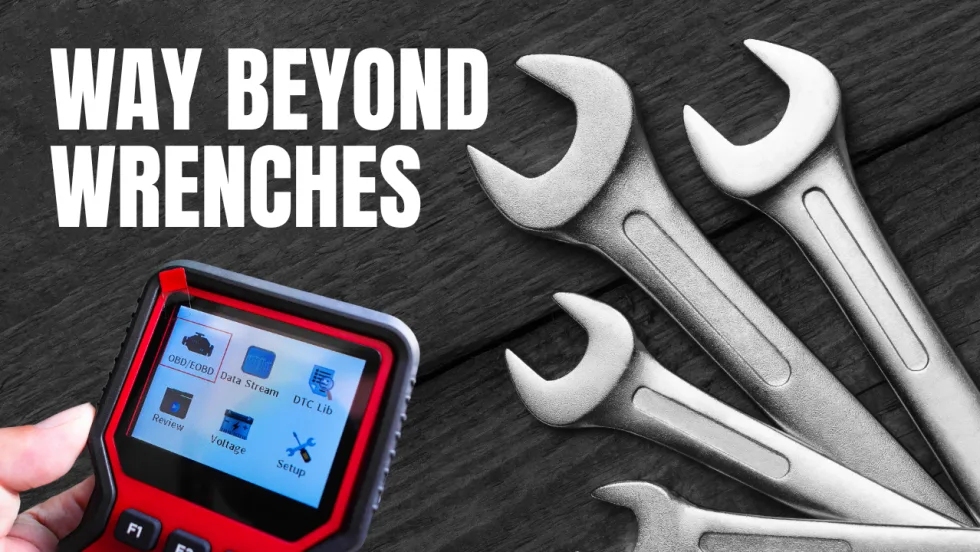
Technicians Are Doing More Than Turning Wrenches
Technicians do far more than repair vehicles. Six professionals reveal the problem-solving, pressure, and pride behind keeping fleets moving.
Read More →
WWCD? What Would Coach Do?
A personal reflection on Ed "Coach" Bobit, the mentor who shaped my career, and why I still ask myself one question 12 years later: WWCD?
Read More →
What the Fleet Industry Still Gets Wrong About Talent
What can the fleet industry learn from the women helping shape its future? A look at talent, leadership, sponsorship, and why new perspectives drive progress.
Read More →
AI Isn’t Killing Content, but Lazy Expertise Is
Thought leadership loses value when AI does the thinking. Here’s why authentic industry voices still matter most.
Read More →