


 MENU
MENU SEARCHMENUSEARCH
Loading data...
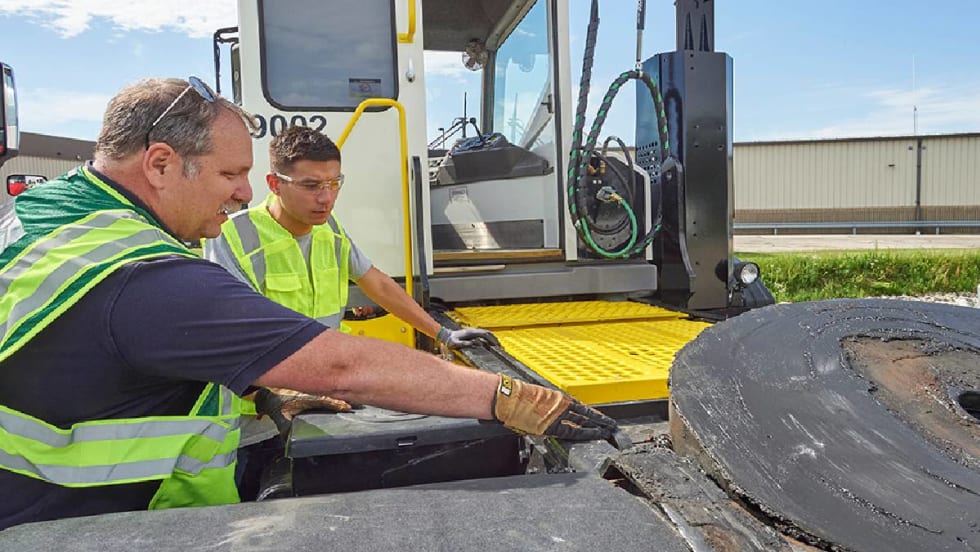
The training delivers a curriculum of online courses combined with classroom and range training customized to cover the relevant regulatory requirements faced by each client.
Read More →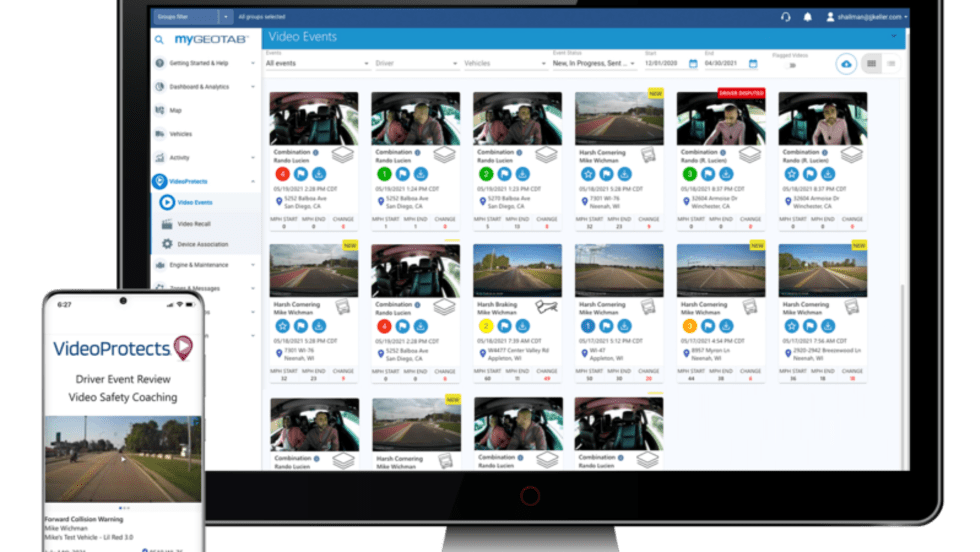






Geotab resellers and their customers gain access to a proactive video risk management solution.
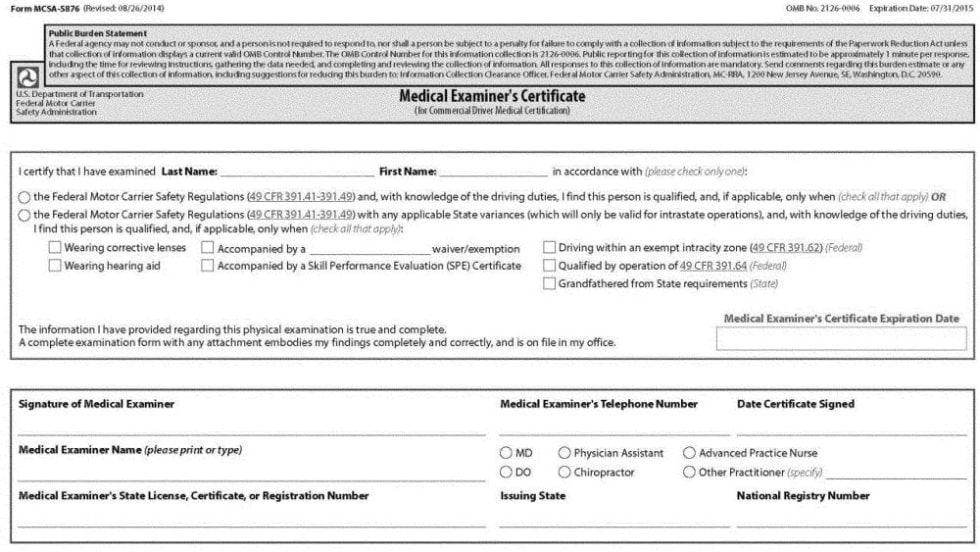
Read More →Two federally mandated driver forms were revised recently, and the new forms must be used for a motor carrier to be compliant.
Read More →Each year, the Federal Motor Carrier Safety Administration (FMCSA) provides a list of the top acute and critical violations discovered during agency investigations. Shared are the top ones found.
Read More →As most drivers and carriers resume normal operations, documenting the use of waivers is essential for future reference.
Read More →Motor carriers that operate smaller commercial motor vehicles are subject to several areas of safety compliance. Does this include the International Registration Plan (IRP)?
Read More →Private fleets often transport hazardous materials (hazmat) while performing a service. These quantities are minimal and pose less of a hazard if released. But do these materials require compliance with the Hazardous Materials Regulations (HMR)? It depends.
Read More →Motor carriers must request two types of Clearinghouse queries, pre-employment and annual, to learn of FMCSA testing violations and milestones in the DOT return-to-duty process and follow-up program. The top five common questions are answered.
Read More →Unlike many changes to the federal safety regulations, some motor carriers and drivers are looking forward to the newest revisions to the hours-of-service (HOS) rules.
Read More →Since violations are often few and far between, motor carriers may not fully understand their reporting responsibilities. Medical review officers (MROs), substance abuse professionals, and motor carriers provide the data necessary to populate the Clearinghouse.
Read More →