

 MENU
 SEARCHMENUSEARCH
Loading data...
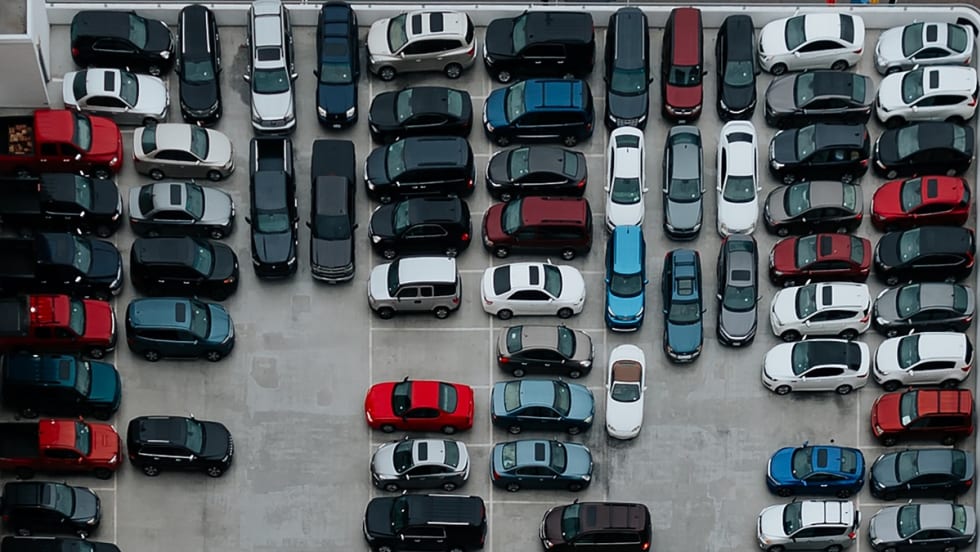
Fleet data collected in 2019 found that depreciation expenses for most vehicles went down in 2019.
Read More →

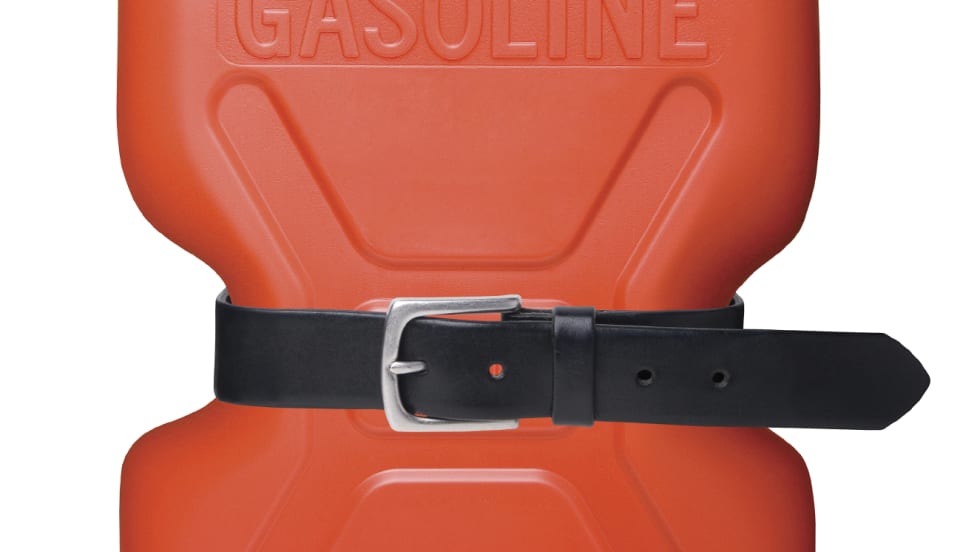


Fuel costs, the largest fleet operating expense, declined dramatically in the 2009 calendar-year due to a sharp decline in worldwide consumption. Also, many fleets have downsized, which contributed to a lower overall fuel spend.
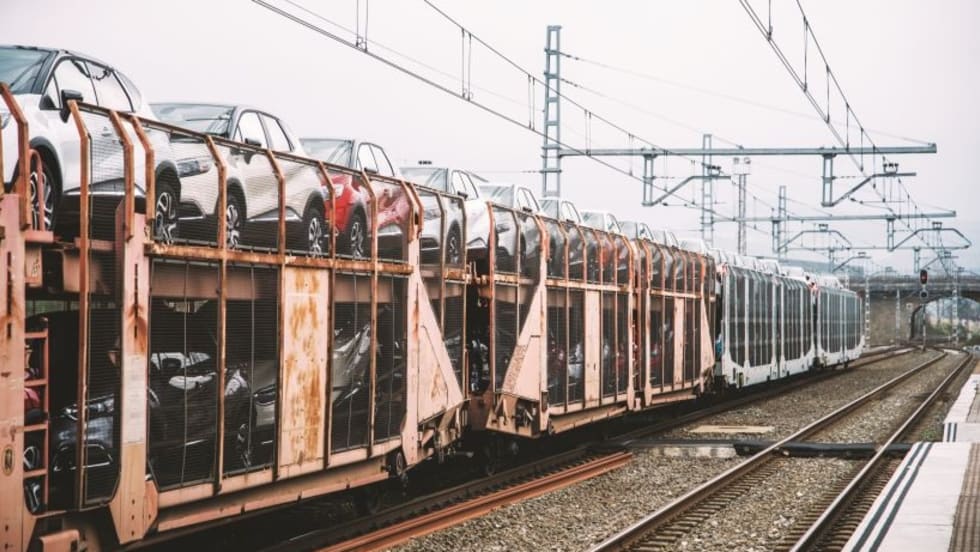
Read More →Last April’s earthquake in Japan and subsequent tsunami disrupted the automotive supply chain, causing parts shortages, which delayed order-to-delivery times. Extreme weather conditions also impacted vehicle shipments.
Read More →Achieving optimum fuel economy could be as simple as refreshing the fleet’s medium-duty truck specs. A small variation in fuel consumption can make a big difference.
Read More →Fleet order-to-delivery times for model-year 2019 increased in comparison to those in MY-2018. Delays were caused by rail constraints, plant downtimes, truck driver shortages, production capacity strains, and early order cutoffs.
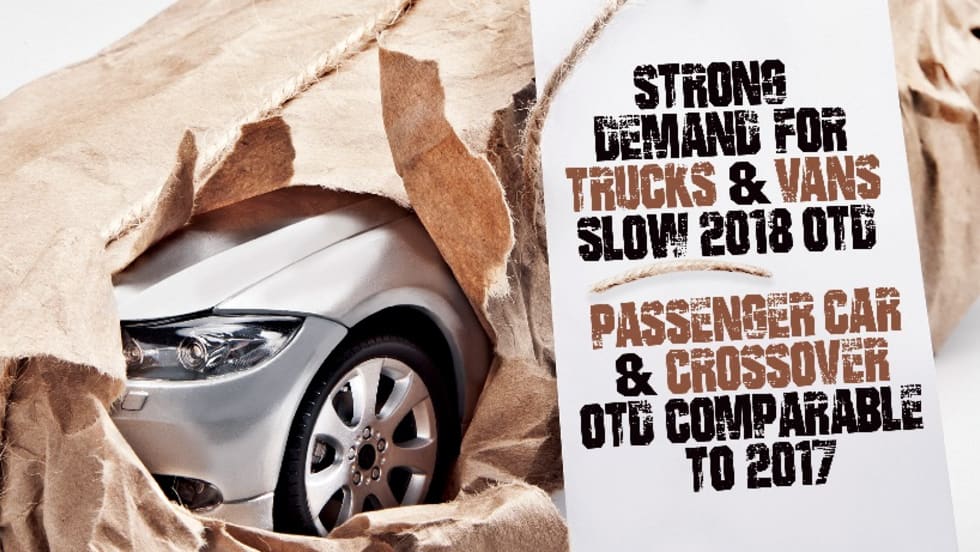
Read More →Increased fleet orders for trucks and vans created backlogs at upfitter facilities, increasing lead times and missed ship-thrus. A shortage of rail autorack carriers further delayed deliveries. Despite this, order-to-delivery for most units was similar to 2017.
Read More →Most fleet managers know telematics is great for asset tracking, but there are many other underutilized components of a telematics solution that could be saving fleet managers time and money.
Read More →Increased labor rates, additional in-vehicle technology, and environmental regulations are increasing truck accident costs.
Read More →As John F. Kennedy once said, “History is a relentless master. It has no present, only the past rushing into the future. To try to hold fast is to be swept aside.”
Read More →