


 MENU
MENU SEARCHMENUSEARCH
Loading data...

While hybrids can reduce fleet fuel expense, the two other major fleet expenses — maintenance/repair and depreciation — must also be considered to determine if hybrids are the answer to reducing overall fleet costs.
Read More →

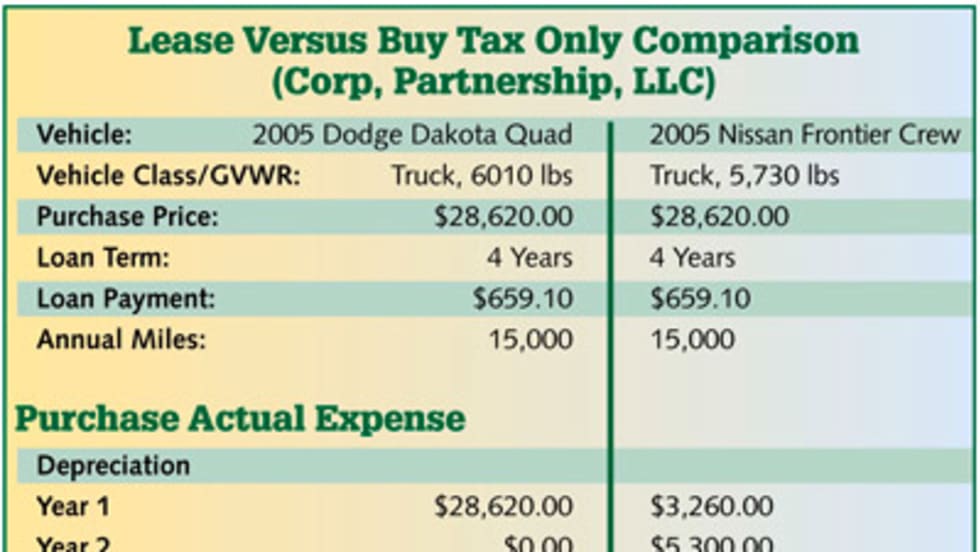
Depreciation turns fleet vehicles into “melting” assets. The open-end TRAC lease is an excellent tool to manage depreciation expense; however, maximizing its effectiveness requires establishing the proper depreciation reserve.
Read More →Depreciation continues to be the largest fleet expense; however, fuel, as a percent of total fleet cost is growing (rapidly). Fuel expense is influencing vehicle acquisition strategies, with a direct bearing on future depreciation.
Read More →Depreciation continues to be the largest fleet expense; however, fuel, as a percent of total fleet cost is growing (rapidly). Fuel expense is influencing vehicle acquisition strategies, with a direct bearing on future depreciation.
Read More →Automotive Lease Guide’s Fleet Residuals model provides fleet managers with accurate used-vehicle value projections based on historical auction resale trends, seasonality depreciation rates, and incentive levels.
Read More →Save substantial tax dollars by titling your new luxury auto in your personal name.
Read More →From a purely financial standpoint, engine and trim level upgrades are a good bet. Safety and utility options are not.
Read More →Remember the so-called $100,000 luxury SUV tax loophole? It’s been closed. Sport utility vehicles placed in service after Oct. 22, 2004 with a GVWR over 6,000 lbs. are now limited to a business-use first year deduction of $25,000.
Read More →Not always. We studied different makes and models that disprove the prevailing wisdom.
Read More →