




Fleetguard Unveils High-Efficiency Desiccant Air Breather for Fluid Storage Protection
Fleetguard launched a new desiccant air breather designed to prevent moisture and debris in bulk fluid storage tanks, ensuring cleaner, more reliable operations.

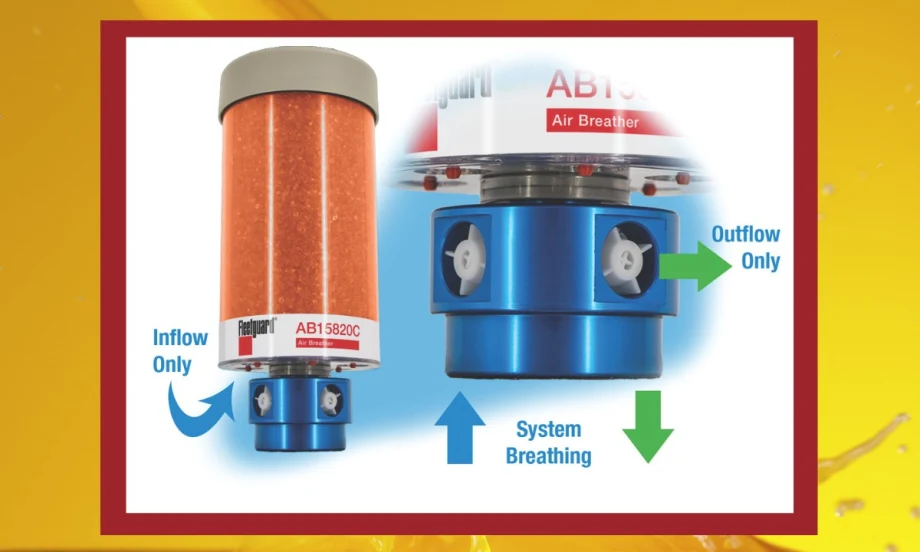
Desiccant breathers are designed to replace standard tank-installed vents and filters during system operation and shutdown.
Photo: Fleeguard/Work Truck
Fleetguard, a brand of Atmus Filtration Technologies, released its new high-efficiency air breather, a desiccant filter ideal for bulk fluid storage tank applications.
As air flows in and out of a storage unit or system, fluid tanks and machinery reservoirs are often susceptible to moisture and debris ingress that contaminates the supply source and the unit itself. Desiccant breathers are designed to replace standard tank-installed vents and filters during system operation and shutdown.
Capturing Moisture with Desiccant Air Breathers
Composed of silica gel beads, polyurethane foam, and high-efficiency media, desiccant air breathers work to capture moisture and other harmful contaminants in fluid tanks from particle intrusion. Ultimately, this reduces unplanned equipment downtime, lowers equipment operating costs, and extends the service life of a system’s fluid by keeping it cleaner.
“The silica gel in our air breathers absorbs moisture and prevents the damaging results of any moisture entering and exiting the fluid storage system,” said John Scheuren, technical advisor at Atmus Filtration Technologies.
Micro-Glass Filtration Media & Check Valves
Fleetguard standard and extended-life breathers also include dual-phase micro-glass filtration media, offering dirt-holding capabilities and low-pressure drop for small to large storage tanks.
Additionally, all air breathers are available with optional check valves, which provide greater protection while simultaneously extending breather life.
Extended-life breathers are offered with optional inflow-only check valves, which are typically needed for larger reservoirs that are part of an active system and require higher airflow. This valve type requires the use of a flow adaptor to provide outward flow.
“Depending on the working environment, a check valve may be important in extending the life of a desiccant air breather,” said Scheuren. “Check valves facilitate airflow only when the system truly needs it. In high-moisture environments, a check valve will prevent continuous airflow, providing protection against airborne contamination and higher levels of humidity.”
Determining the Correct Filter Size
The Fleetguard website offers a sizing tool to help customers more easily determine the appropriate desiccant air breather filter. Customers can input details regarding reservoir size, maximum airflow rate, and humidity levels to determine which filter is suitable for which system or unit.
When Do You Change Air Breathers?
Air breathers should be replaced when the silica gel has changed color, at least once per year, or if noticeable back pressure increases are evident. They are not suitable for high vibration, extreme low—or high-temperature environments, or systems with high alkalinity or acidity.
More Products
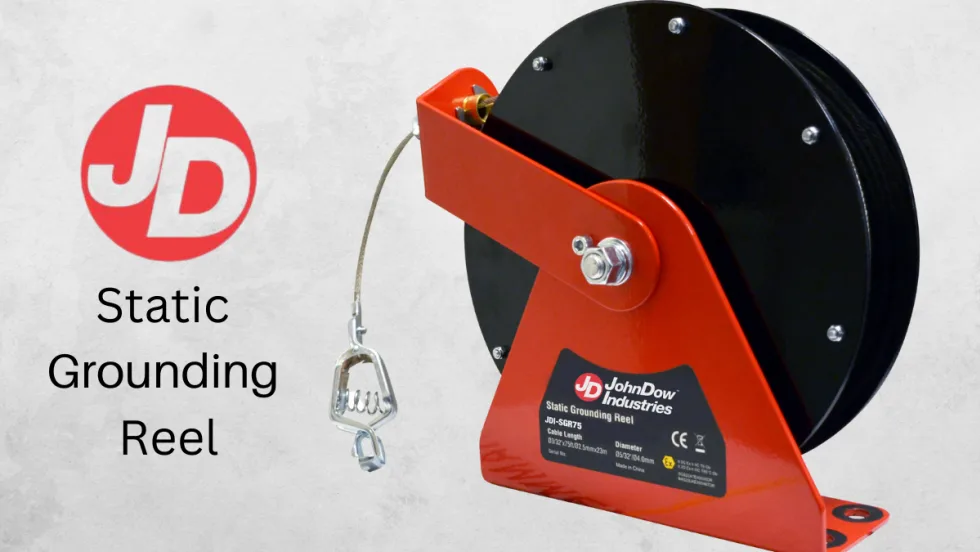
JohnDow Adds Static Grounding Reel to Improve Safety
JohnDow Industries introduced its newest safety equipment option fuel-handling product, the Static Grounding Reel to its Service Equipment Division.
Read More →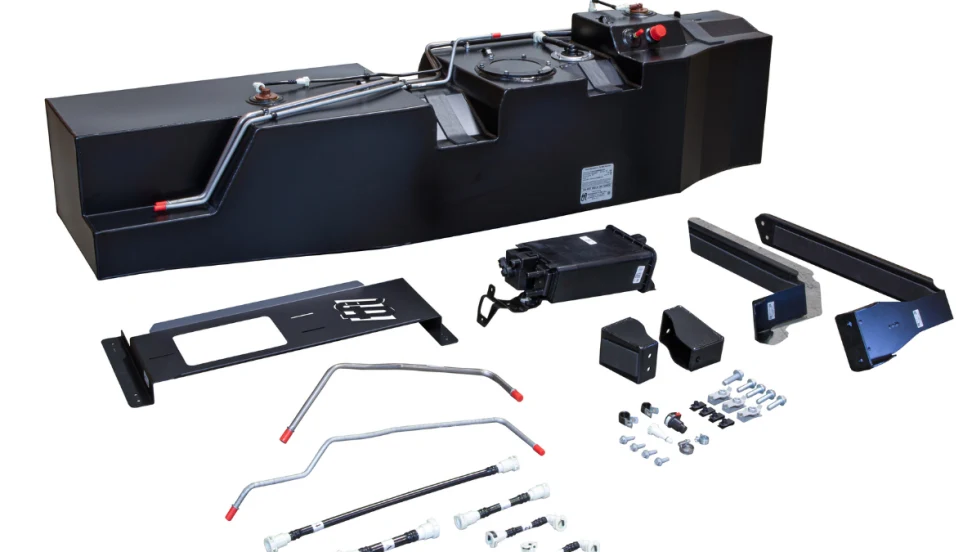
Transfer Flow Introduces Gasoline Replacement Fuel Tank
The 58-gallon fuel tank system passed extensive emissions testing and has been granted an Executive Order from the California Air Resources Board.
Read More →
Diesel Technology Forum Launches New Website
The wesbite is built on the content management system SiteWrench, which is a product of Speak Creative.
Read More →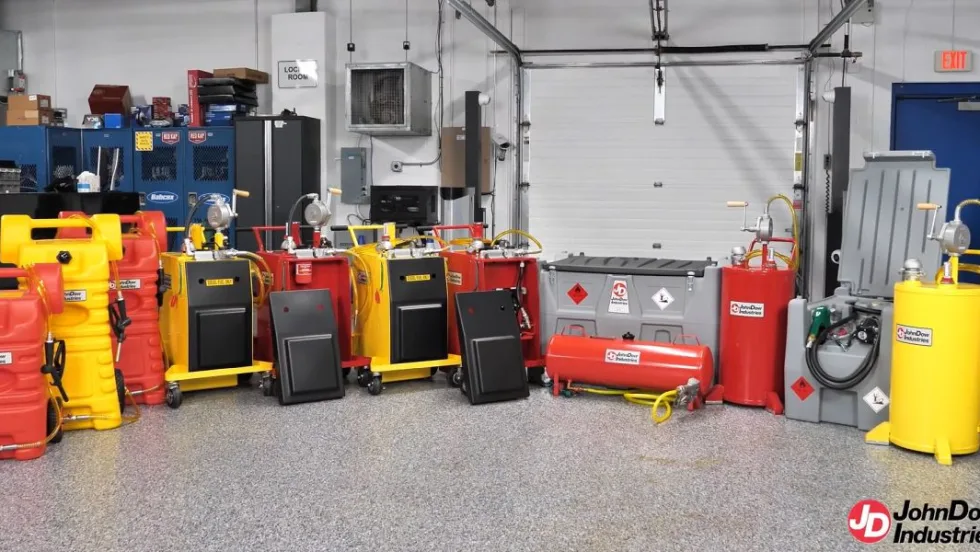
New Ebook & Video Series on Fuel Handling Safety
JohnDow offers resources for safe fuel handling via eBook and video offerings.
Read More →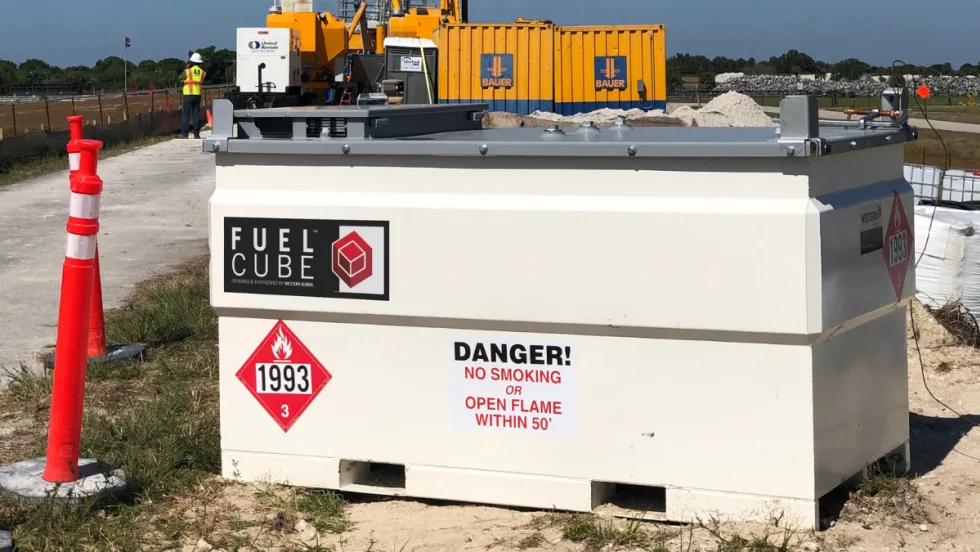
Western Global Announces Online Ordering for Two Fuel Tank Models
Western Global’s FuelCube and TransCube Global tanks are now available for purchase online.
Read More →
Eco Caps Aerodynamic Wheel Covers Undergo Real-World Testing
MVTS measured fuel savings with Eco Cap aerodynamic wheel covers from Eco Flaps.
Read More →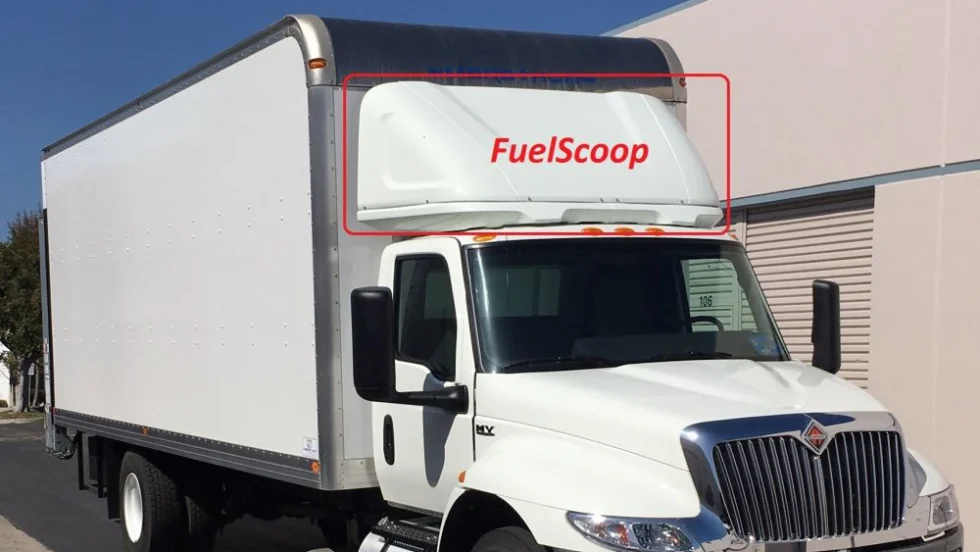
FuelScoop Now Available for Freightliner & International
Aeroz America FuelScoop products are now available for Freightliner and International medium-duty box trucks.
Read More →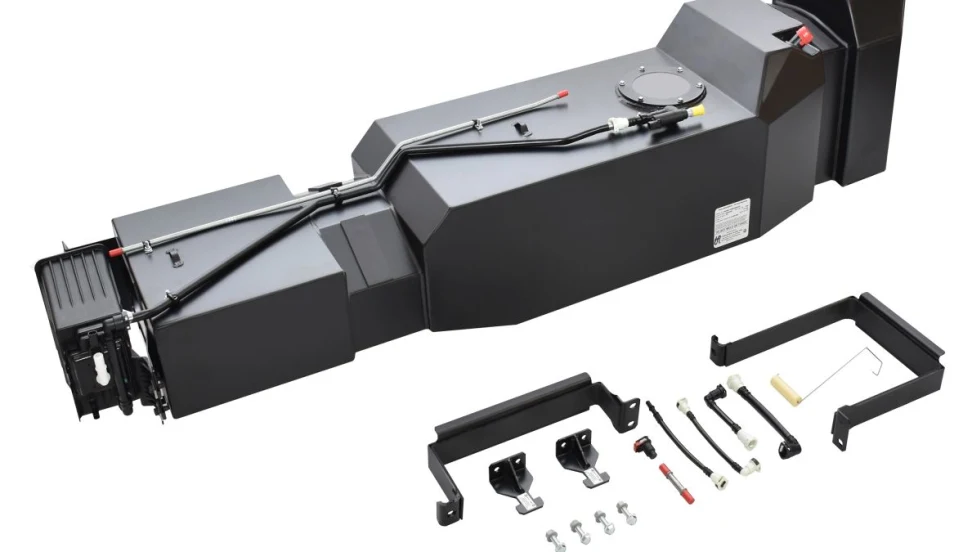
New 50-State Legal Fuel Tank System for Ford-150 Gasoline
The 45-gallon high-capacity midship tank is engineered for 2018-2020 model-year gasoline Ford F-150 SuperCrew pickups with 5 1/2 and 6 1/2 foot beds.
Read More →
Honk Leverages AI and Updates Mobile App
Honk Technologies, a platform connecting drivers, towing professionals, and insurers, updated its touchless claims mobile roadside assistance app with artificial intelligence (AI) to increase ease-of-use and speed-of-response.
Read More →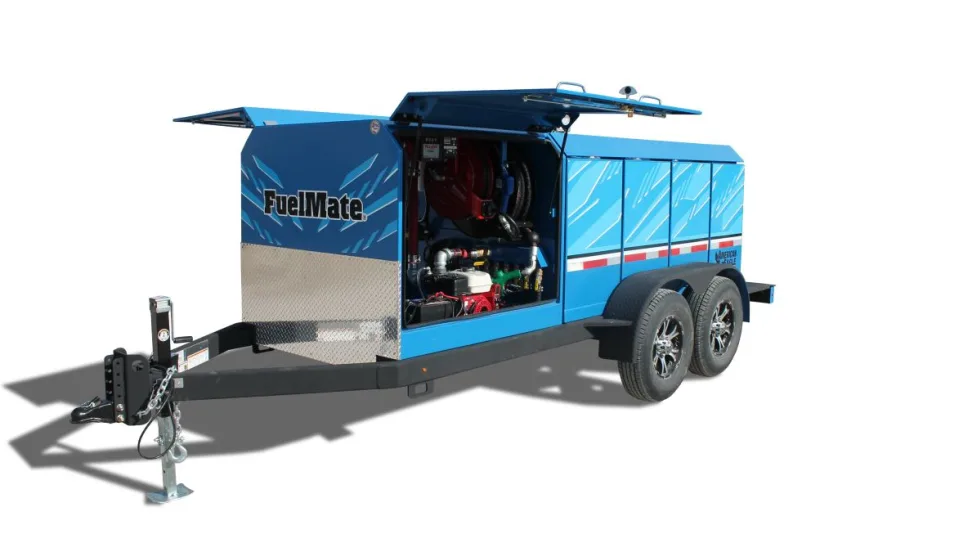
Multi-Tank Fuel Trailer Eliminates Need for CDL Hazmat Certification
American Eagle expanded its FuelMate Fuel Trailer line with the new Multi-Tank Fuel Trailer.
Read More →