



Walter Celebrates 60 Years of Surface Treatment Technologies
When Walter J. Somers and a few colleagues opened the first office in the Montreal region in 1952, they took the first steps on a new and unfamiliar path.

Walter Surface Technologies headquarters.
When Walter J. Somers and a few colleagues opened the first office in the Montreal region in 1952, they took the first steps on a new and unfamiliar path.
The three major phases of transformation and growth performance
Somers laid the company foundation during the 1950s and ‘60s. Emphasizing ‘’total performance’’, Walter concentrated on bringing the best tools to Canada, the ones offering the best productivity - first by importing them from Europe, then developing and manufacturing their own brand throughout the years.
Safety
During the 1970s and ‘80s, Walter added another dimension to its company philosophy: work safety, for both its employees and its customers. This idea provided the grounds to establish new objectives for product development: Walter must create products that would not only improve productivity, but improve health and safety in the workplace as well.
Globalization and sustainable development
The 1990s and 2000s witnessed an ambitious international expansion program which began in 1989, when Pierre Somers succeeded his father as director of the company. The Walter Company quickly made an impact in the South American and European markets, as illustrated by notable increases in sales and profitability. The first environmentally-friendly “green products” (branded as Bio-Circle Environmental Solutions) were also launched at this time, long before the phrase “sustainable development” found its way into popular business usage.
Ready for tomorrow, today
Walter faithfully fosters its core corporate values. Increasing efficiency, accelerating cost reduction, and improving processes that favor the well-being of workers will drive all future technical innovations. Sustainable development is more than a priority – it clearly is an integral part of the company’s DNA – and will continue to guide Research & Development in the coming years.
Walter’s new international headquarters and industrial center in Pointe-Claire, Quebec visually and in every sense exemplifies this. Built according to LEED standards, the complex is the ultimate expression of Walter’s commitment to sustainable development. This center was designed to follow the best engineering and management practices: optimized energy efficiency, ideal working conditions that favor the health and well-being of employees along with ultra-efficient logistics and warehouse systems. The new building serves as the world center for management and research. This is where Walter’s future will take shape – one innovation at a time.
Innovation at the core of Walter
Innovation is at the heart of Walter’s business - it drives the introduction of truly ground-breaking products and services as well as enabling swift responses to market requirements. Many Walter products are the fastest and most efficient in the market (Zipcut, Combo Zip, Coolcut XX, Enduro-Flex Turbo, Air Force, Bio-Rust, etc.) and are all designed to improve productivity and help Walter customers work better.
More Operations
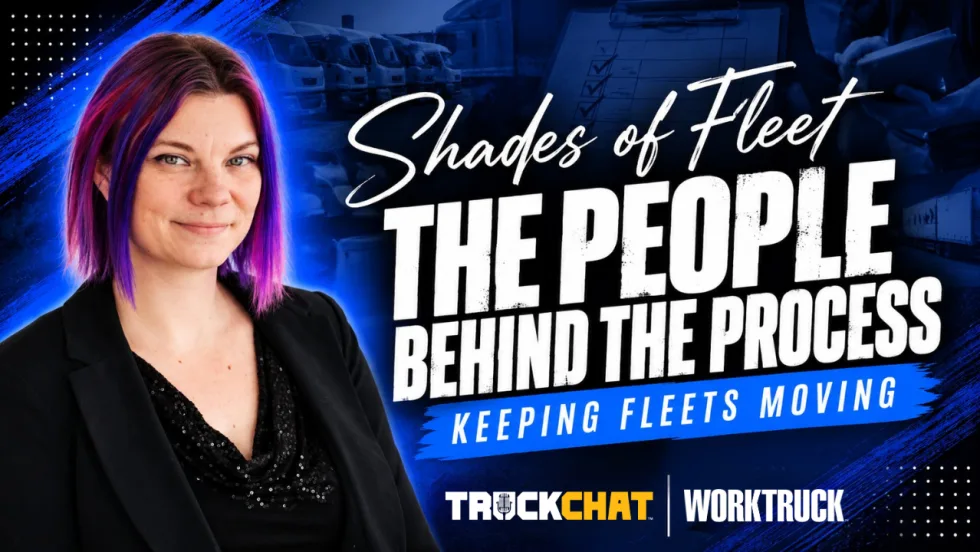
Where’s My Truck: Inside the Fleet Logistics Work Nobody Sees
Shades of Fleet video thumbnail featuring Lauren Fletcher beside the text “The People Behind the Process, Keeping Fleets Moving,” with fleet vehicles and logistics imagery in the background.
Read More →
Work Truck Seeks Fleet and Industry Insights on 2026 Trends and 2027 Forecasts
Work Truck is seeking insights from fleet leaders and industry partners on the trends that shaped 2026 and what commercial fleets should prepare for in 2027. Participate today!
Read More →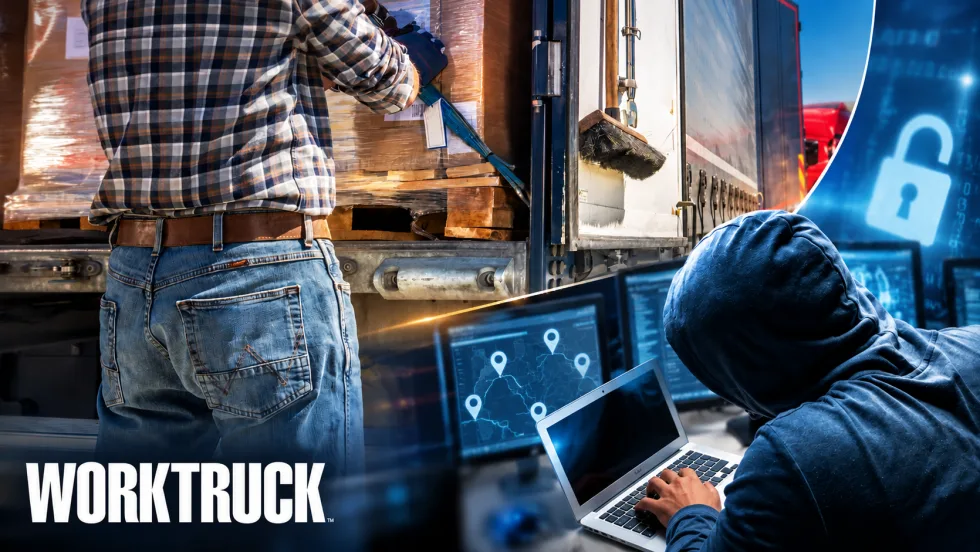
It's 10 p.m... Do You Know Who Has Access to Your Fleet?
Preventing cargo theft requires investment in technology, operational processes, and employee training. In an industry with tight margins, it can be difficult to justify investments whose value is measured by incidents that might never occur.
Read More →From Our Partners
Basic Tracking vs Next Generation Fleet Technology
Sponsored by AT&T Business

5 Facts Every Fleet Manager Should Know About Embedded Telematics
Sponsored by Stellantis/Mobilisights

How AI Video Telematics Boosts Driver Safety and Helps to Avoid Unnecessary Costs
Sponsored by Verizon Connect
Charting the 8 Bottom-Line Benefits of Workforce Optimization
Sponsored by Verizon Connect

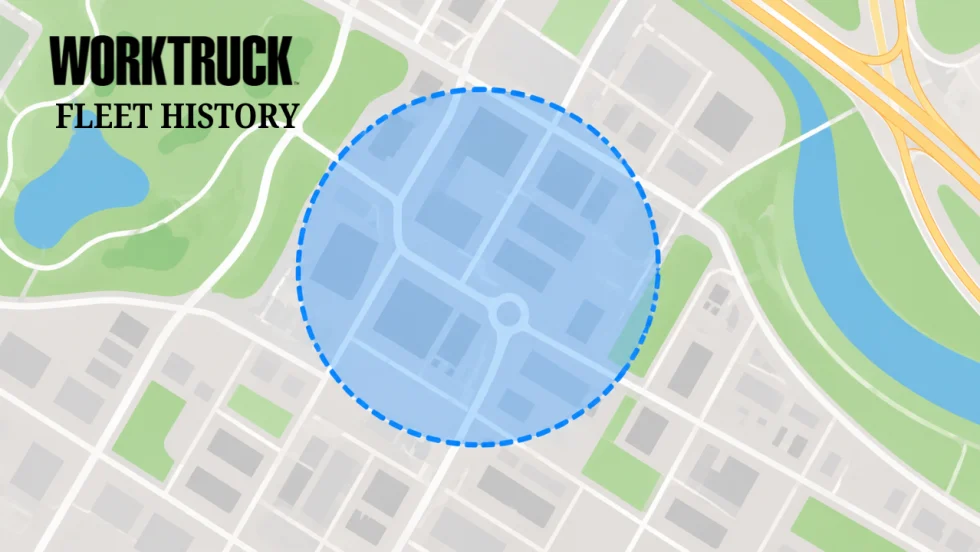
GeoFencing Adds to Your Truck Security Arsenal
Geofencing is a familiar fleet tool today, but its early adoption marked a major shift in vehicle tracking, route monitoring, and the debate over employee privacy.
Read More →
Truckers’ Strike Rumors, New GM Engines, and Hidden Idling Costs Lead This Week’s News
Truckers’ strike rumors, GM’s new 2027 engines, hidden idling costs, racing lessons, IRP rules, and more headline this week’s Truck Chat Weekly Cheat Sheet.
Read More →
Shades of Fleet Wants to Hear From You About Building a Culture of Care
Fleet leaders, we want to hear from you. Share how empathy, trust, and creating space for people can strengthen your team, improve performance, and support retention.
Read More →
What Racing Can Teach Work Truck Fleets About the Work Nobody Sees
Race car driver and mechanical engineer Isaac Johnson shares practical lessons on preparation, relationships, setbacks, and building teams that perform when it counts.
Read More →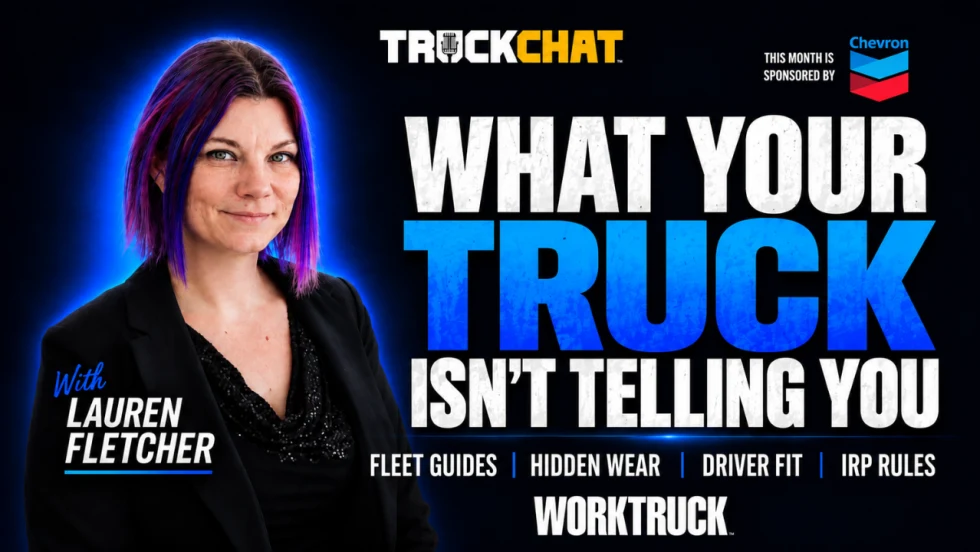
New Fleet Guides, Hidden Truck Wear, and Driver Fit Lead This Month
Our latest Truck Chat recap covers new Fleet Guides, hidden idling costs, driver fit, lighter-truck registration rules, and year-round technician appreciation.
Read More →
Work Truck Takes Fleet Rivalry Downhill to Support Skilled Trades
Team Fletcher claimed a head-to-head win and second overall as Work Truck and Automotive Fleet helped raise $22,000 for the Hourglass Foundation.
Read More →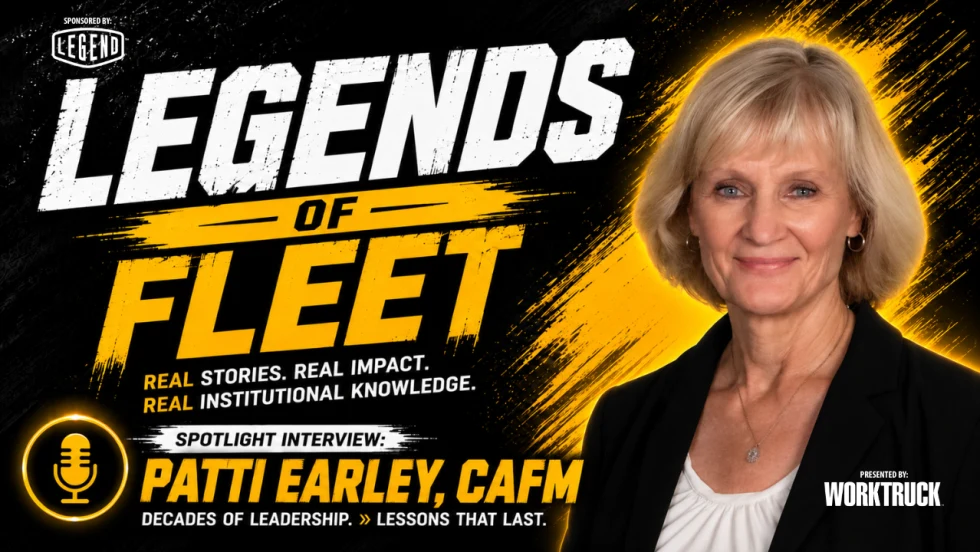
From Ledger Books to AI Patti Earley Shares 40 Years of Fleet Lessons
Patti Earley, CAFM, shares what four decades in fleet have taught her about using data, building relationships, and listening to the people behind the vehicles.
Read More →