




Volvo Introduces All-New S40
Volvo Car Corporation announced that it is releasing the first photographs of its all-new sport sedan, the Volvo S40. The new Volvo S40 will make its debut at the Frankfurt Motor Show in September. The company says the Volvo S40 is the first entirely new model from Volvo Cars following the Volvo XC90. The all-new Volvo S40 replaces the current S40, which was launched in Europe in 1995. It is the newest addition to Volvo's S-range, which also includes the larger Volvo S60 and S80 models. The interior has an ultra-slim center console. "The center console is a design icon for the new Volvo S40," says Henrik Otto, design director at Volvo Cars. "We intend to pursue our position as inaugurators in the car design world, not looking at what our competitors are doing. It is therefore far more valuable to keep an eye on what they're not doing." In the new Volvo S40, Volvo Cars says it continues its use of high-tensile steel. In the new front structure, four different grades of steel are used in an intelligent interplay to provide maximum safety for the car's occupants. "Naturally, our goal is that the new Volvo S40 should be the safest car in its class," says Volvo Cars president & CEO Hans-Olov Olsson. Side impact protection is addressed by the use of extremely rigid cross members that form a 3-way attachment between the leading edge of the A-pillar and the base of the B-pillar. Similar cross members are found in the rear doors as well. This system of energy absorption, along with the new slim-design 5-cylinder engines is called Volvo's Intelligent Vehicle Architecture (VIVA), and represents a new approach to vehicle safety design. The new Volvo S40 is being introduced with a choice of 5-cylinder engines: a normally aspirated unit producing 170-horsepower, and a 220-horsepower high-pressure turbocharged engine found in the T5. Those who crave an even more dynamic driving experience may equip a T5 with Volvo's new 6-speed close-ratio manual gearbox and electronically controlled all-wheel drive, says the company. "With the new Volvo S40, we now offer our customers large-car benefits across the entire line. This, combined with an exciting design and exceptional road manners, makes the new S40 a highly potent challenger in this segment," comments Olsson. "We want to attract customers into the Volvo family as early as possible, and the new Volvo S40 will definitely appeal to younger buyers," said Olsson. The new Volvo S40 will be built in the Volvo Cars factory in Ghent, Belgium. Production gets under way this autumn. In 2003, the new Volvo S40 will only be sold in Sweden, reaching markets in the rest of the world in early-to-mid 2004. Volvo Car Corporation expects 2004 sales of the new S40 to reach 70,000 cars. Annual sales for the U.S. market, the largest single market for the S40, are targeted at 28,000 units. The new Volvo S40 is the first in a range of new Volvo models sharing common technology. Next in line is the Volvo V50, a premium activity wagon that will replace the current V40.
More Small Fleet


Developing Budget-Friendly Driver Safety Programs
From driver training and safety meetings to one-on-one coaching and incentive programs, several small fleets share how they have developed a safety culture with their drivers using low- to no-cost resources.
Read More →
Boosting Last-Mile Fleet Uptime, Safety, and Value with AI Vehicle Inspections
AI-powered inspections are transforming last-mile fleets by replacing manual checks with highly accurate automated scans that detect defects in seconds. By giving fleet operations visibility into the daily condition of their vehicles, you can identify trends over the vehicle’s lifecycle that enable improved procurement decisions, route management, driver training and accountability.
Read More →

Five Ways Seat Belts Help Prevent Injuries
There are five ways seat belts protect occupants from injuries, according to the Tennessee Department of Safety and Homeland Security.
Read More →
Basic Tracking vs Next Generation Fleet Technology
Fleet software is getting more sophisticated and effective than ever, tying big data models together to transform maintenance, safety, and the value of your existing tech stack. Fleet technology upgrades are undoubtedly an investment, but updated technology can offer a much higher return. Read how upgrading your fleet technology can increase the return on your investment.
Read More →
It’s here: The 2026 Fleet Technology Trends Report
What does AI mean for fleets? Get the answer — and learn other top tech trends.
Read More →
Small Fleets, Big Impact: How Independent Drivers Power Wreaths Across America
Check out how small fleets and independent drivers power Wreaths Across America each December and why their impact matters more than ever.
Read More →
VMS Survey Finds 65% of Small Fleet Managers Run Operations Alone
A new VMS survey shows small fleet managers are stretched thin, with most handling operations solo and eager to adopt digital tools for relief.
Read More →
Tips for Driving Safely on Halloween Night
This video features a reminder from the Connecticut Department of Transportation (DOT) and the Connecticut Police Chiefs Association, urging drivers to prioritize safety this Halloween.
Read More →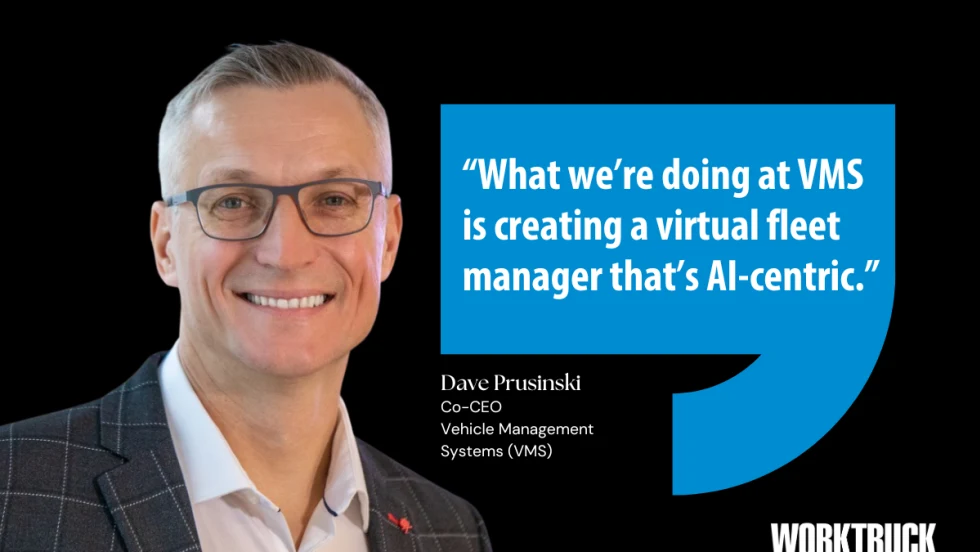
AI, Access, and Uptime: VMS’s Next Chapter with David Prusinski
VMS’s new Co-CEO, David Prusinski, shares how an AI-first approach will give small fleets and repair shops the tools to compete like big players.
Read More →