




Volvo Developing Advanced Safety Concept "Eyecar"

The Volvo EyeCar is an advanced safety concept car demonstrating entirely new technology designed to automatically give every driver the same optimum seating position to ensure the best possible visibility, comfort and therefore safety. The new technology in the Volvo EyeCar features: * Sensors that register the position of the driver's eyes and then adjust the position of the seat accordingly * Automatic electrical adjustment of the driver's seat to the optimum height for best visibility * Automatic electrical adjustment of the position of the steering wheel and pedals to provide the most comfortable driving position. (The driver can fine-tune this if necessary.) * An entirely new B-post design to provide a better field of vision from the driver's seat. At the same time, the function of the B-post in the car's collision safety structure has been further enhanced. Finding the Perfect Driving Position The Volvo EyeCar uses two forms of technology to determine the position of the driver's eyes; one uses the human eye's unique method of reflecting light, while another uses the fluid content of the human body. A video camera at the upper inside edge of the windscreen scans the driver's seat to register the driver's head, then locates and pinpoints the exact centre of each eye – all in less than a second. Since lighting conditions may vary considerably inside a car, the video camera is equipped with its own infrared light source to ensure sufficient lighting. This light is totally invisible to the human eye and does not interfere with the driver in any way. The eye’s unique reflexes to the incoming light are registered by the camera and the on-board processor automatically adjusts the driver's seat to the optimum height. The pedals, steering column and handbrake lever are then also automatically altered accordingly. The driver can of course make any fine adjustments for the optimum personal ergonomics. The second technology utilises a sensor integrated into the inner roof to measure electrical current directly above the driver's seat. When someone sits in the seat, these current patterns change according to the water content of the occupant's body. The sensor measures these changes and determines the distance to the top of the driver’s head and the seat can be accurately adjusted. Enhanced safety Apart from ensuring the optimum driving position, the Volvo EyeCar’s stronger design of the B-post eliminates any intrusion in the sideways field of vision too. Other parts of the EyeCar are also designed for improved crash safety. The adjustable pedals are designed to reduce foot and leg injuries in a frontal impact. The steering column collapses horizontally to give more survival space for the driver, and since the location of the driver is known, it is also possible to fine-tune the way in which the driver's airbag and the side airbags deploy. The Volvo EyeCar is an early indication that the Volvo Car Corporation has been appointed to lead the development of car safety within the entire Ford Motor Company.
More Vehicle Insights
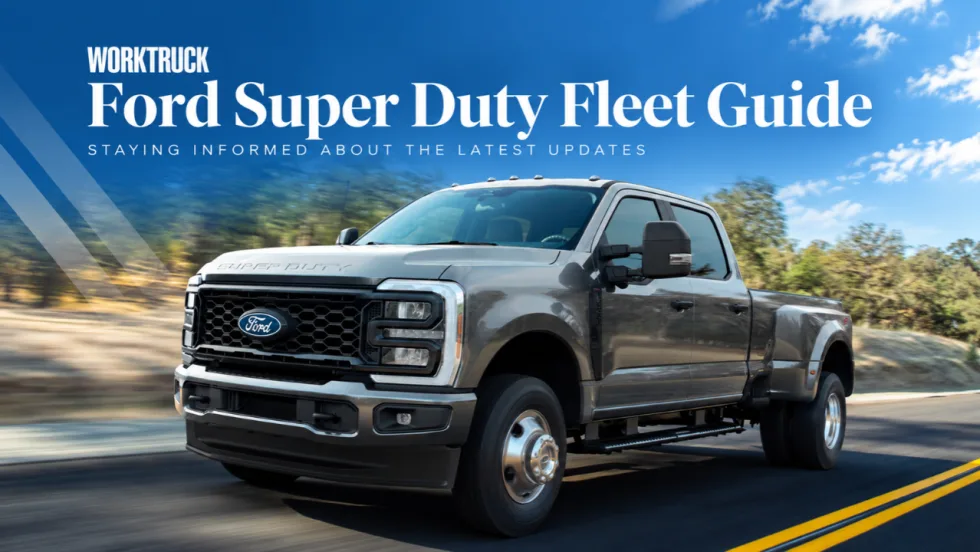
Ford Super Duty Fleet Guide Specs Capability and 2027 Updates
Explore 2027 Ford Super Duty fleet specs, gas and diesel engines, towing, payload, configurations, work features, technology, and model-year updates.
Read More →
Re-rating Gross Vehicle Weight Ratings (GVWR): Why and How it's Done
Sometimes, it is not in a fleet’s best interests to have a vehicle at a given GVWR. Changing the GVWR to a special value can be done, but the process is complicated.
Read More →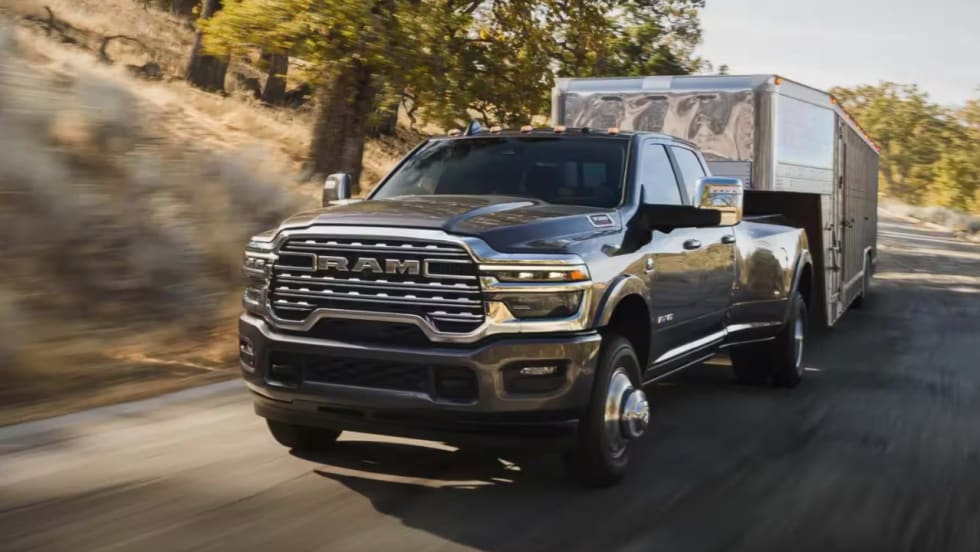
Which Pickup Trucks Last 250,000 Miles? 2026 Rankings Revealed
Which pickup trucks are most likely to reach 250,000 miles? The 2026 iSeeCars study ranks 12 long-lasting models, with Ram, Toyota, GMC, and Ford among the leaders.
Read More →
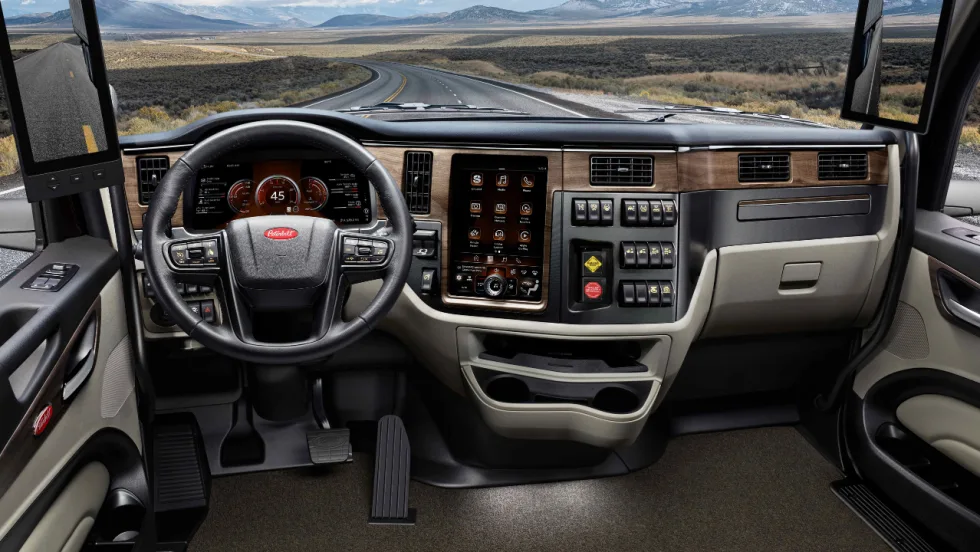
Peterbilt Showcasing Transportation Innovations at ATA MCE
Peterbilt showcased Paccar Connect and exhibited several trucks during the American Trucking Associations (ATA) Management Conference & Exhibition (MCE).
Read More →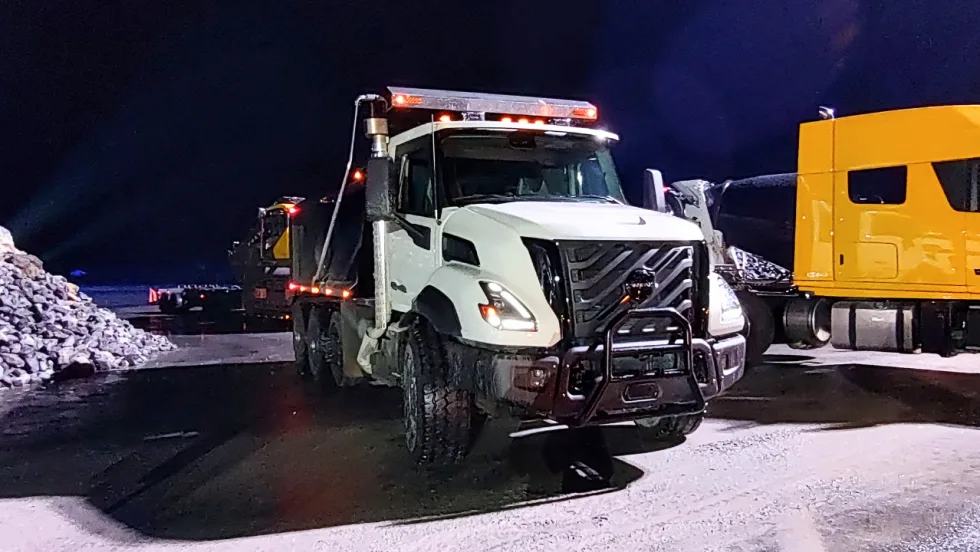
Volvo Unveils New VNX Vocational Truck & Off-Road Capable Tractor
Volvo Trucks has launched the VNX, a new vocational truck designed for on- and off-road use, and available in three variants. It is powered by the D13 platform, which delivers up to 540 horsepower and 1,950 pound-feet of torque and is EPA 2027 compliant.
Read More →
Truckers’ Strike Rumors, Electric Fleet Lessons, and GM’s New Duramax Lead This Week’s News
Truckers’ strike rumors, Republic Services’ electric fleet lessons, GM’s new 8.3L Duramax, van upfitting, Ford Pro used trucks, and more headline this week’s Truck Chat Cheat Sheet.
Read More →
Morgan Olson Launches North America’s Longest Working Step Van Challenge
Morgan Olson has launched North America’s Longest Working Step Van Challenge, a new customer campaign to find the longest-working qualifying Morgan Olson or Grumman step van actively delivering packages for an independent service provider contracted by FedEx.
Read More →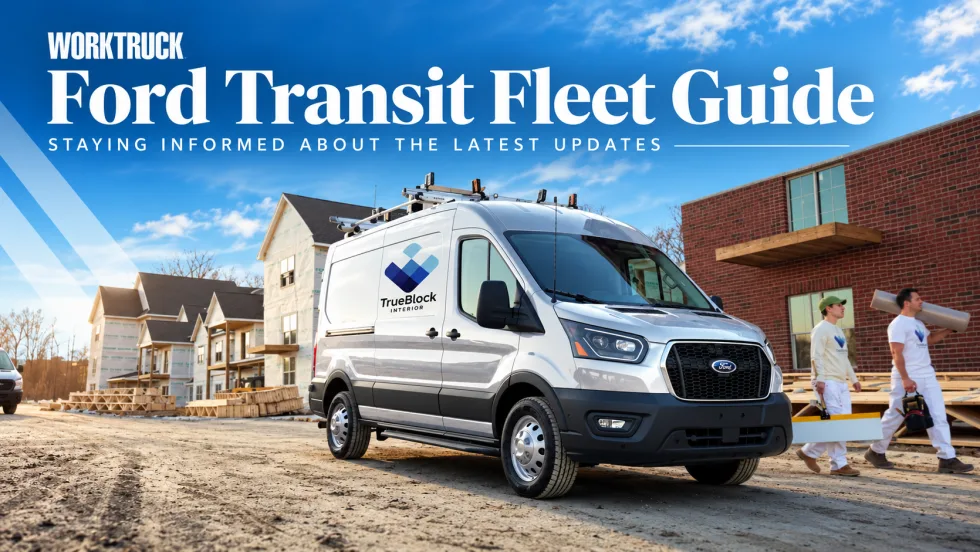
Ford Transit Fleet Guide Specs Capability and 2027 Model-Year Updates
Explore 2027 Ford Transit fleet specs, engines, payload and towing capability, cargo configurations, work features, technology, and model-year updates.
Read More →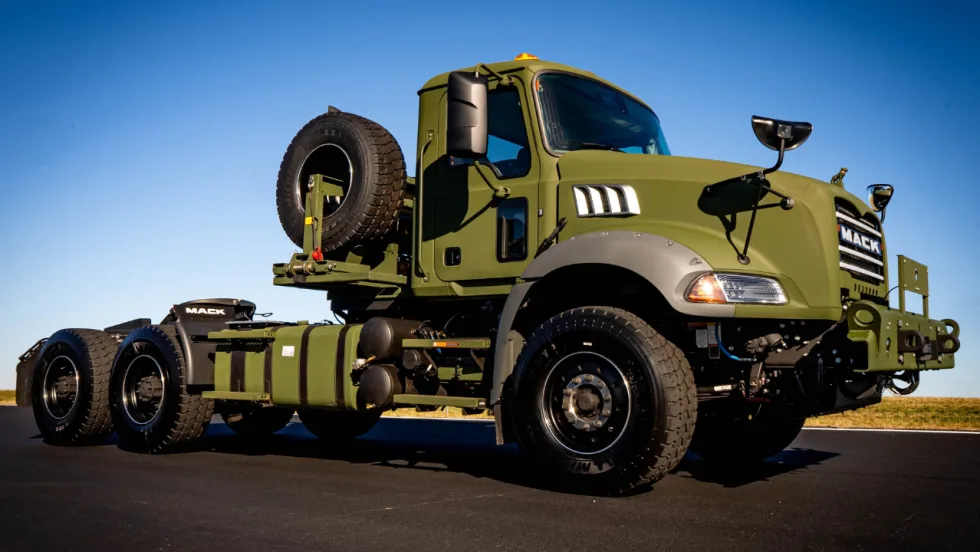
Mack Defense to Spotlight Common Tactical Truck Line Haul Hybrid Tractor During AUSA 2026
Mack Defense was awarded a contract to design, build, and deliver prototype vehicles for the U.S. Army’s Common Tactical Truck (CTT) program. It will show off its line-haul hybrid tractor prototype, based on the Mack Granite, at the 2026 United States Army (AUSA) Annual Meeting and Exposition.
Read More →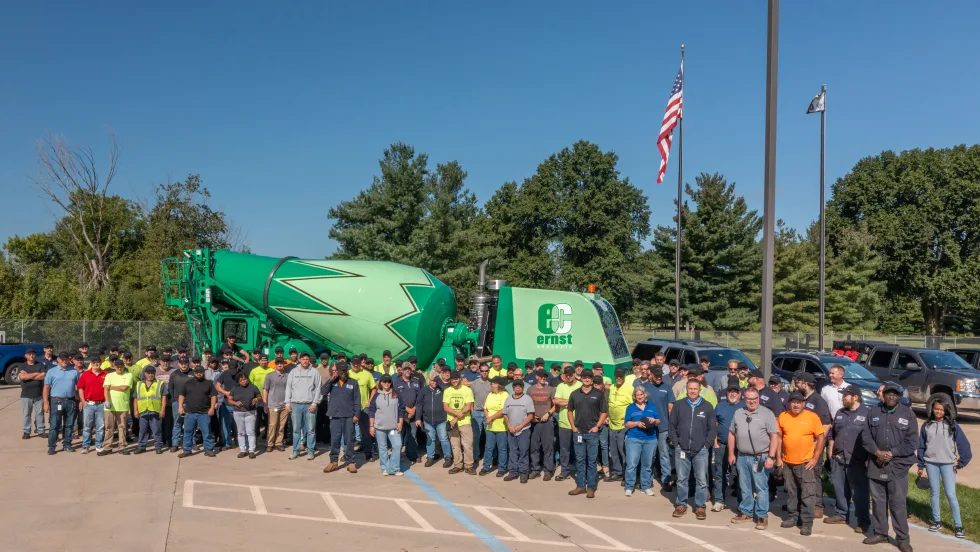
Advance Produces 20,000th Front-Discharge Mixer
Advance celebrated the production of its 20,000th front-discharge mixer, a Commander Series FD4000 mixer. Jack Willard first developed the original Rite-Way Truck in 1964, and then Advance was established in 1972.
Read More →