Millions of Americans use their wireless phones while driving, so knowing when it is the best time to use a wireless phone in the car is important. Verizon Wireless says it has made the responsible in-vehicle use of wireless phones a top priority for the company and its customers. As part of its "Drive responsibly. Call with care." nationwide initiative, Verizon Wireless has created a quiz to help consumers determine if they use their wireless phones responsibly and to illustrate the importance of using hands-free devices while driving: Questions 1. I'm a traveling salesperson and need to make a lot of phone calls from my car. What should I do to ensure I am driving responsibly? A) Use a hands-free device, which allows you to keep both hands on the wheel while driving. B) Use a regular handset but make sure your eyes stay on the road. C) Pull over to the side of the road to make all calls. 2. While driving, my wireless phone starts to ring in my briefcase, what do I do? A) Open your briefcase, find your phone and answer the call. B) Pick up your wireless phone and check the caller-ID. C) Let the call go into voicemail. 3. I'm driving on the highway and see a car accident. What do I do? A) Dial 9-1-1 SEND from your wireless phone. B) Ignore the car accident, figuring help is already on the way. C) Arrive at your final destination and then place the call to 9-1-1. 4. While driving to the theater, I need to call my friend to let him know I'll be late. What do I do? A) Look up your friend's number in your address book and place the call. B) Scroll through your phone's programmed numbers and place the call. C) Do nothing and show up late. Answers 1. A) Using a hands-free device to make a brief call is the best way to ensure you are driving responsibly. 2. C) If you are unable to answer the phone responsibly, let the call go into voicemail. Once you arrive at your final destination, check your voicemail and return the call. If you don't own a hands-free device and you are in standstill traffic, you may answer the phone if it is within reach. Once the traffic breaks, use your judgment on whether to continue with the conversation. 3. A) Determine whether you can make the call without being distracted. If so, dial 9-1-1 followed by the send button to report an emergency. 4. B) Memorize your phone's features and keypad. Pre-program important and frequently used numbers into your wireless phone. Keep your wireless calls from the car brief, remembering that your first responsibility is driving. About Verizon Wireless Verizon Wireless is the largest wireless communications provider in the U.S. with more than 27 million wireless voice and data customers. The coast-to-coast wireless provider was formed by the combination of the U.S. wireless businesses of Verizon Communications and Vodafone, including Bell Atlantic Mobile, AirTouch Cellular, GTE Wireless and PrimeCo Personal Communications. Verizon Wireless has a footprint covering more than 90 percent of the U.S. population, 49 of the top 50 and 96 of the top 100 U.S. markets. The company, headquartered in Bedminster, N.J., is 40,000 employees strong. For more information, visit www.verizonwireless.com.
Verizon Wireless Asks Consumers to Test Their Responsible Driving IQ
More Small Fleet

Why Fleet Managers Are Replacing Departmental Vehicles with Shared Motor Pools
Departmentally assigned vehicles often create hidden costs through underutilization, poor visibility, and increased administrative burden. This white paper explores how shared motor pool strategies help fleets reduce costs, improve accountability, and optimize vehicle utilization.
Read More →
Boosting Last-Mile Fleet Uptime, Safety, and Value with AI Vehicle Inspections
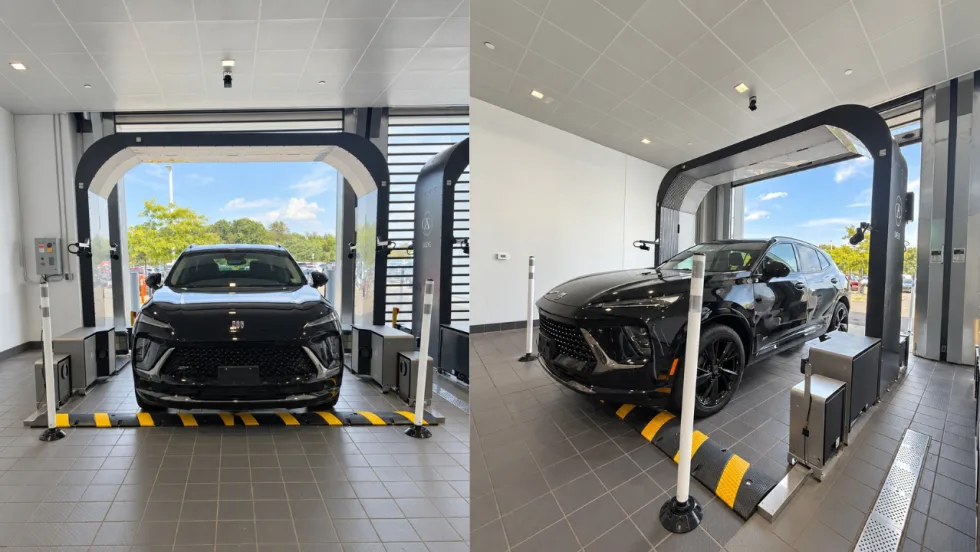
AI-powered inspections are transforming last-mile fleets by replacing manual checks with highly accurate automated scans that detect defects in seconds. By giving fleet operations visibility into the daily condition of their vehicles, you can identify trends over the vehicle’s lifecycle that enable improved procurement decisions, route management, driver training and accountability.
Read More →Report: How AI Is Reshaping Fleet and Field Service Operations
AI is moving beyond the back office and into the driver’s seat of work truck and field service operations. New research shows fleets are using AI to improve predictive maintenance, optimize dispatch and routing, reduce downtime, and boost technician productivity, while also tackling challenges around workforce adoption and data readiness. Discover the trends, technologies, and real-world use cases shaping the future of connected work truck fleets.
Read More →
Five Ways Seat Belts Help Prevent Injuries
There are five ways seat belts protect occupants from injuries, according to the Tennessee Department of Safety and Homeland Security.
Read More →
It’s here: The 2026 Fleet Technology Trends Report
What does AI mean for fleets? Get the answer — and learn other top tech trends.
Read More →
Small Fleets, Big Impact: How Independent Drivers Power Wreaths Across America
Check out how small fleets and independent drivers power Wreaths Across America each December and why their impact matters more than ever.
Read More →
VMS Survey Finds 65% of Small Fleet Managers Run Operations Alone
A new VMS survey shows small fleet managers are stretched thin, with most handling operations solo and eager to adopt digital tools for relief.
Read More →
Tips for Driving Safely on Halloween Night
This video features a reminder from the Connecticut Department of Transportation (DOT) and the Connecticut Police Chiefs Association, urging drivers to prioritize safety this Halloween.
Read More →
AI, Access, and Uptime: VMS’s Next Chapter with David Prusinski
VMS’s new Co-CEO, David Prusinski, shares how an AI-first approach will give small fleets and repair shops the tools to compete like big players.
Read More →
Fleet Managers Share Winter Prep Tips: It's Never Too Early!
Three fleets share best practices to prep vehicles for winter and prevent downtime when the cold sets in.
Read More →