




USPS Awards $37.4M for Next-Gen Vehicle Prototypes
The U.S. Postal Service has awarded $37.4 million in contracts to six vendors to provide 50 prototypes of a next-generation delivery vehicle that will be tested in various climates and locales.

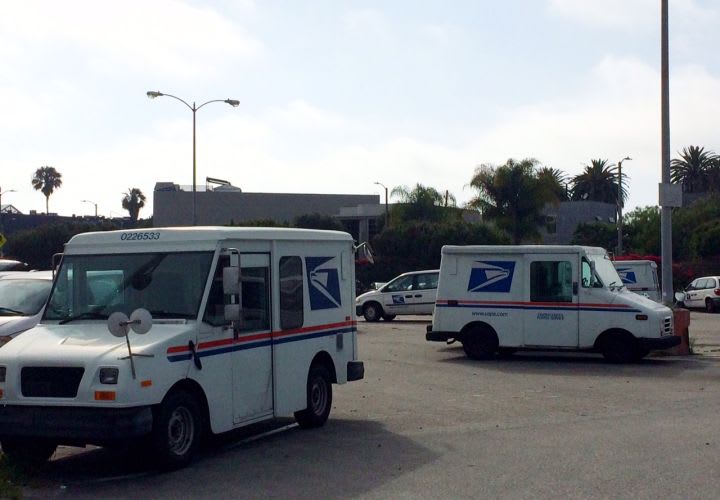
Photo of existing delivery vehicles by Paul Clinton.
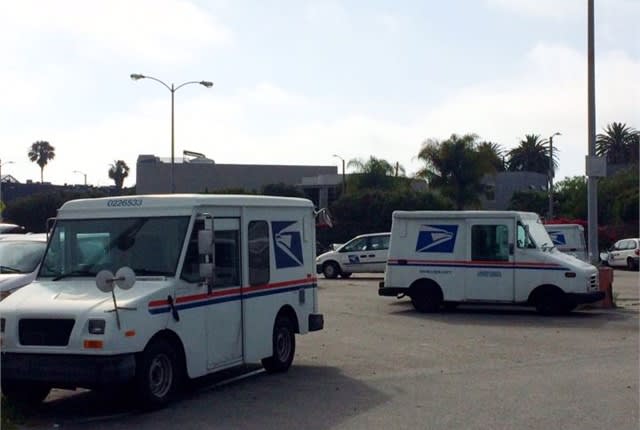
Photo of existing delivery vehicles by Paul Clinton.
The U.S. Postal Service has awarded $37.4 million in contracts to six vendors to provide 50 prototypes of a next-generation delivery vehicle that will be tested in various climates and locales, the USPS has announced.
AM General, Karsan, Mahindra, Oshkosh, Utilimaster, and VT Hackney will have one year to develop and produce their prototypes.
While Fiat Chrysler Automobiles, Ford, Nissan, and Freightliner made the initial list of pre-qualified vendors, these larger vehicle manufacturers could partner with the final six as subcontractors to supply engines, transmissions, or other parts.
VT Hackney, a North Carolina body builder perhaps best known as a supplier to the beverage industry, will submit several prototypes in collaboration with Workhorse. The company will add a custom body to a modified E-Gen plug-in hybrid platform to build a truck with a GVW of about 6,500 pounds, which puts in on the lighter end of Class 2. The vehicle will include a back-up camera, said Richard Ball, VT Hackney's marketing and business development director.
Half of the prototypes will feature hybrid and new technologies, including alternative fuel capabilities. The prototypes will represent a variety of vehicle sizes and drive configurations, in addition to advanced powertrains and a range of hybrid technologies, according to a USPS statement.
Once the prototypes are delivered, the USPS plans to test the vehicles for about six months in different climates, topography, population centers and delivery environments. The tests will help demonstrate the ability of the proposed designs to meet operational needs, such as deliver to mailboxes.
The USPS has been reluctant to use an off-the-shelf cargo van because the seating is often too high and mail delivery personnel have to reach down toward the mailbox. Federal regulations require the bottom of the mailbox to be 42 inches from the ground. The vehicle must also be right-hand drive.
However, the USPS is planning to release a request for proposal for an off-the-shelf, right-hand drive vehicle to supplement its fleet as it "continues to assess the delivery fleet mix." The USPS has ordered 12,472 Ram ProMaster 2500 cargo vans in the past year.
The delivery of the prototypes represents the next step toward the deployment of the next-generation vehicle, which should begin rolling out in 2018. The USPS plans to replace as many as 180,000 carrier route vehicles for between $4.5 billion and $6.3 billion over as many as seven years.
Originally posted on Automotive Fleet
More Operations
Fleetworthy Unveils RADAR, an Embedded AI Layer Powering Smarter Fleet Decisions
A new artificial intelligence layer inside Fleetworthy Toll Management turns toll data into instant answers and proactive insights, with weigh station bypass, compliance, and safety enhancements next.
Read More →
Fleet Conversations and Connections at Work Truck Exchange 2026
Fleet connections, friendly competition, and a few flying axes. See the people and moments that brought Work Truck Exchange 2026 to life.
Read More →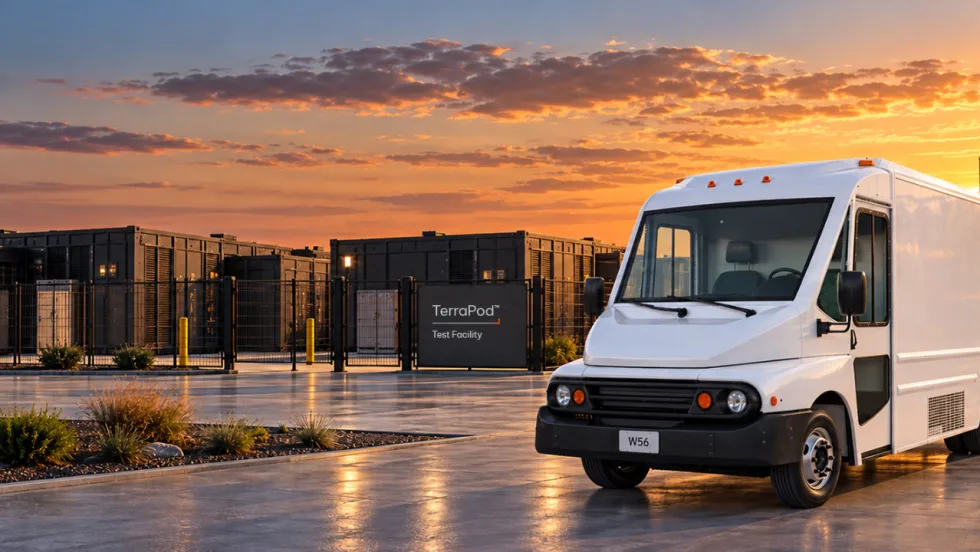
Workhorse Enters Modular AI Infrastructure Market Through TerraPod Partnership with RHAELM
Workhorse’s initial agreement with RHAELM is to develop a full-scale TerraPod manufacturing spec unit, then a non-binding letter of intent covers further expanding the partnership, including a supply agreement and a contemplated contingent initial order for 150 TerraPod systems.
Read More →From Our Partners
Basic Tracking vs Next Generation Fleet Technology
Sponsored by AT&T Business

5 Facts Every Fleet Manager Should Know About Embedded Telematics
Sponsored by Stellantis/Mobilisights

How AI Video Telematics Boosts Driver Safety and Helps to Avoid Unnecessary Costs
Sponsored by Verizon Connect

Charting the 8 Bottom-Line Benefits of Workforce Optimization
Sponsored by Verizon Connect

Your Fleet Experience Deserves a Vote
You know what happens after the vehicle leaves the dealership. Work Truck’s fleet awards give that experience a place in the industry conversation, and a reason to make your voice heard.
Read More →
Work Truck Seeks Fleet and Industry Insights on 2026 Trends and 2027 Forecasts
Work Truck is seeking insights from fleet leaders and industry partners on the trends that shaped 2026 and what commercial fleets should prepare for in 2027. Participate today!
Read More →
30 Years in Fleet and Still Learning: Lessons Beyond Trucks
After more than three decades in fleet, Bob Adamsky has learned that knowing trucks is only part of the job. The bigger lessons come down to communication, understanding, and never assuming you know it all.
Read More →
What Every New Fleet Manager Should Know
Carolyn Edwards shares lessons on finding mentors, showing fleet’s value, and leading teams in this episode of Legends of Fleet.
Read More →
Les Schwab Tires Launches Foundation With $100,000 for Community Recovery
Les Schwab Tires launches a foundation with $100,000 to support recovery for Silver Rail Elementary and the Bend community following a school shooting.
Read More →
Bring Some Fleet to Your Halloween with Our Pumpkin Carving Templates
Download Work Truck’s truck-themed pumpkin patterns, explore more automotive designs, and give your shop or front porch a seasonal upgrade.
Read More →
How Cardless Fuel Payments Benefit Commercial Fleets
Is it time for fleets to move beyond plastic fuel cards? David Abraham of WEX explains how cardless fuel payments can help reduce fraud, simplify driver transactions, and improve efficiency by allowing drivers to pay for fuel using their smartphones.
Read More →