




U.S. DOT’s Highway Safety Package "Lacking": Advocacy Group
Advocates for Highway and Auto Safety (Advocates) criticized the United States Department of Transportation’s (U.S. DOT) new proposal for reauthorization of the multi-year, multi-billion dollar highway bill, named the Safe, Accountable, Flexible and Efficient Transportation Equity Act of 2003, or “SAFETEA.” “A few short weeks ago, U.S. DOT released its 2002 motor vehicle fatality figures and they showed that the number of people killed in traffic crashes increased to the highest level since 1990, an astounding 42,850 persons. Drunk driving deaths are up, as are teen driving, motorcycle and rollover deaths. This is a public health epidemic and the Administration has given us surgical masks with gaping holes,” said Judith Lee Stone, president of Advocates. Advocates spearheads a SAFETEA coalition formed in 1997 that supports increased funding for highway safety programs, standard enforcement seat belt laws, enhanced enforcement of drunk driving laws, no rollbacks on truck safety, and improved intersection safety. The SAFETEA Coalition is comprised of 110 federal, state and local businesses and groups throughout the nation. (See Advocates’ website: www.saferoads.org for the list.) “DOT claims there are substantially more funds for highway safety programs, but, as always, the devil is in the details. The DOT legislative proposal repackages existing, old programs and adds `safety’ to the name,” stated Stone. Also according to the latest U.S. DOT data, most people killed in crashes are unrestrained (19,103). Only 18 states and the District of Columbia have standard, or primary, enforcement belt laws that allow police officers to cite someone for not wearing a belt without having committed an additional offense. These laws have been proven to increase belt use by 10-15 percent. “The U.S. DOT proposal will not guarantee that all states pass standard enforcement seat belt laws,” said Stone. “The proposal creates a new incentive grant program to increase belt use and a weak disincentive for states that don’t. However, it has loopholes and escape hatches that will do more for creative accounting than for safety.” “The Administration proposal is not even a baby step toward closing the Grand Canyon gap that exists between the annual $230 billion cost of motor vehicle crashes and the Administration’s meager investment in auto and highway safety. This shell game of shifting funds from one program to another is deceptive. We call for the games to end. Let’s employ proven, effective solutions to protect motorists, and let’s once and for all devote the resources needed to do so.” concluded Stone.
More Small Fleet


Developing Budget-Friendly Driver Safety Programs
From driver training and safety meetings to one-on-one coaching and incentive programs, several small fleets share how they have developed a safety culture with their drivers using low- to no-cost resources.
Read More →
Boosting Last-Mile Fleet Uptime, Safety, and Value with AI Vehicle Inspections
AI-powered inspections are transforming last-mile fleets by replacing manual checks with highly accurate automated scans that detect defects in seconds. By giving fleet operations visibility into the daily condition of their vehicles, you can identify trends over the vehicle’s lifecycle that enable improved procurement decisions, route management, driver training and accountability.
Read More →

Five Ways Seat Belts Help Prevent Injuries
There are five ways seat belts protect occupants from injuries, according to the Tennessee Department of Safety and Homeland Security.
Read More →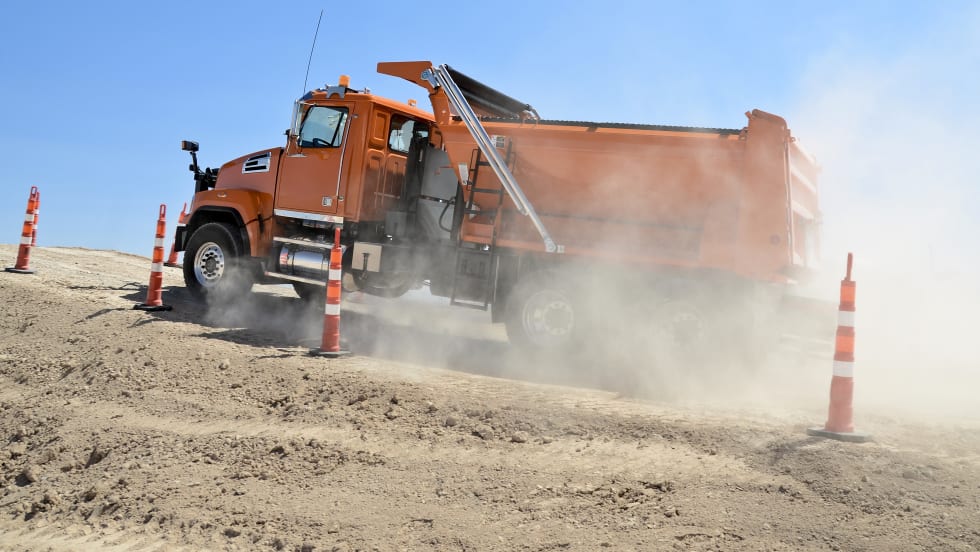
Basic Tracking vs Next Generation Fleet Technology
Fleet software is getting more sophisticated and effective than ever, tying big data models together to transform maintenance, safety, and the value of your existing tech stack. Fleet technology upgrades are undoubtedly an investment, but updated technology can offer a much higher return. Read how upgrading your fleet technology can increase the return on your investment.
Read More →
It’s here: The 2026 Fleet Technology Trends Report
What does AI mean for fleets? Get the answer — and learn other top tech trends.
Read More →
Small Fleets, Big Impact: How Independent Drivers Power Wreaths Across America
Check out how small fleets and independent drivers power Wreaths Across America each December and why their impact matters more than ever.
Read More →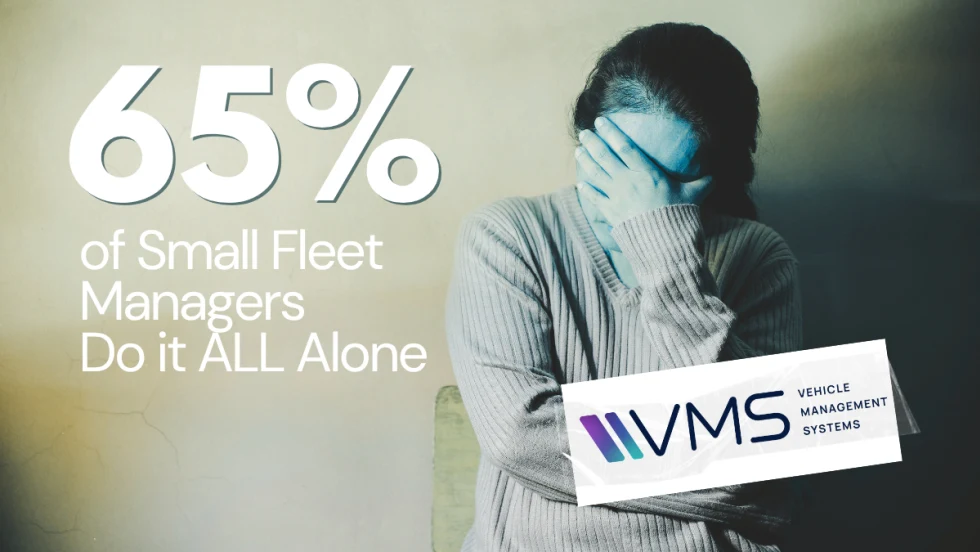
VMS Survey Finds 65% of Small Fleet Managers Run Operations Alone
A new VMS survey shows small fleet managers are stretched thin, with most handling operations solo and eager to adopt digital tools for relief.
Read More →
Tips for Driving Safely on Halloween Night
This video features a reminder from the Connecticut Department of Transportation (DOT) and the Connecticut Police Chiefs Association, urging drivers to prioritize safety this Halloween.
Read More →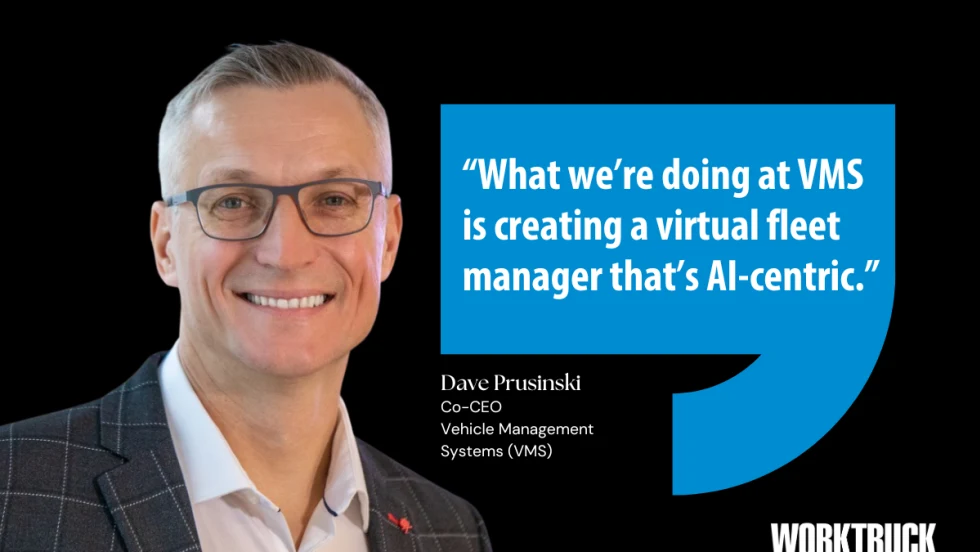
AI, Access, and Uptime: VMS’s Next Chapter with David Prusinski
VMS’s new Co-CEO, David Prusinski, shares how an AI-first approach will give small fleets and repair shops the tools to compete like big players.
Read More →