




Upfitter OTD Impacted by Labor & Parts Shortages
Upfitters have been battered by inconsistent chassis deliveries from the OEMs, back-ordered parts, widespread labor shortages, constraints on ordering pre-fabricated parts, and higher expenses for aluminum and steel.

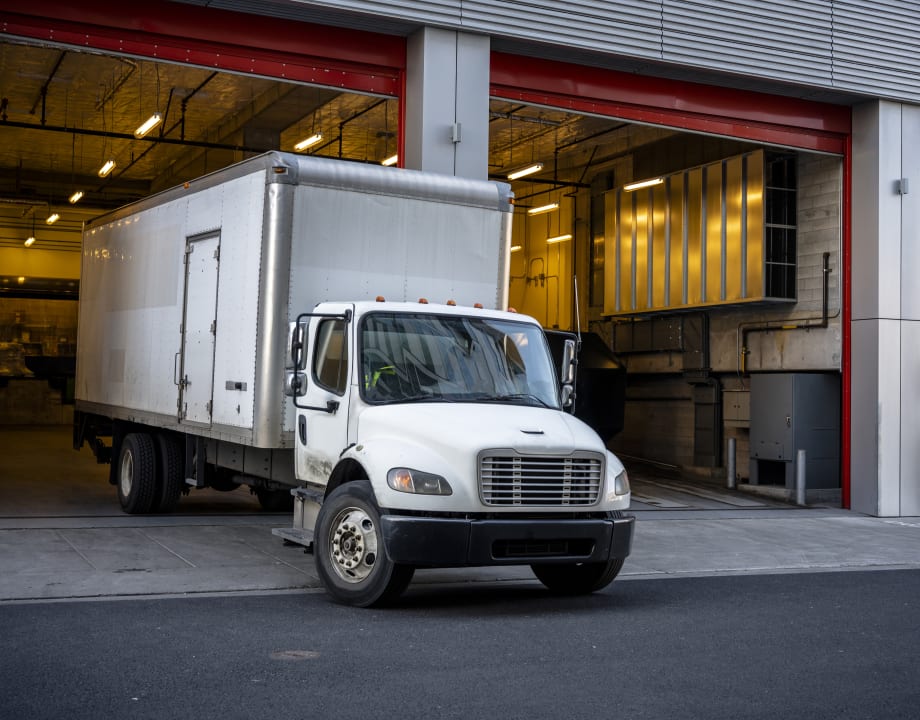
Getty Images
The high volume of vehicles scheduled for upfitting and the inconsistency in the delivery of 2021-model units to upfitters created order-to-delivery (OTD) delays for fleets.
“The 2021 model-year has been difficult for fleet upfitters who are contending with inconsistent chassis deliveries from the OEMs, backordered parts, widespread labor shortage, constraints on ordering pre-fabricated parts, and increasing prices related to raw materials,” said Ted Davis, vice president, North American supply chain for ARI.
The disruptions at upfitters are occurring for three reasons. The first reason is due to the labor shortage, which has many upfitters operating short-handed; second is the ongoing delays in commodities and/or parts suppliers; and third is the inconsistent delivery of chassis to upfitters, which disrupts upfit throughput and internal work schedules.
“Longer lead times for the upfitters caused OTD to extend significantly on trucks and vans. Upfitters have been challenged with obtaining raw materials, employees and vehicles to complete upfitting,” said Tim Cengel, senior procurement manager for Wheels Inc.
This assessment was also shared by Mike Albert Fleet Solutions. “Upfitters are still experiencing parts shortages in many areas that don’t include microchips which are causing back-orders and slippage in the ETA,” said Carly Prather, director, purchasing & fleet titles for Mike Albert Fleet Solutions.
This was likewise cited by Enterprise Fleet Management. “Not only did labor and parts shortages impact OTD times, but this also led to vehicles sitting in ship-thru status for longer than normal,” said Angie Lauer, assistant vice president of vehicle acquisition for Enterprise Fleet Management. “Back-ordered parts and labor shortages at upfitters were other factors that led to longer delivery times. Transport carrier shortages also contributed to delays.”
Inconsistent Chassis Deliveries
Trucks continue to be in high demand with both the fleet and retail buyers lengthening lead times and delaying anticipated delivery dates.
“Upfitters have been very challenged these past two years and we saw lead times increase as a result. Not being able to depend on the vehicles showing up as expected makes it difficult for the upfitters to order parts,” said Cengel of Wheels. “Raw materials have been more expensive and also limited in availability. It’s also been difficult for the upfitters to maintain a production schedule when vehicles are not arriving as consistently. In some cases, we have seen the upfitters have to downsize their workforce due to a vehicle shortage.”
Upfitters are at the mercy of transport companies not only for delivery of the chassis for upfit, but also to return the upfitted chassis to the ultimate end-user.
“Although upfits may be completed in a timely manner, delays can still occur if there is a shortage of railcars or the lack of carrier transport availability,” said Dean Peterson, VP - vehicle acquisitions for Emkay.
Ongoing Labor Shortages
In the era of COVID, the ability to hire and retain quality employees continues to be a challenge for upfitters.
“Many suppliers are struggling to hire skilled employees at fair wages to produce quality products,” said Charles Mathew, fleet operations manager for Merchants Fleet. “Additionally, there have been many workforce shortages that have impacted the timeframe for completion once parts are received,” said Prather of Mike Albert Fleet Solutions.
Not only were upfitters finding it difficult to hire people to fill open positions, but they were also sometimes put in a contradictory position of sometimes having to lay off people due to gaps in workload when chassis did not arrive as anticipated.
“As a consequence, there were layoffs due to inventory shortages,” said Peterson of Emkay.
In addition, upfitter throughput of completed units began to slow tremendously as OEM plants temporarily suspended new-vehicle production due to the ongoing global supply constraints.
“For example, localized labor shortages reduced several upfitters’ capacities, driving longer upfit installation cycle times,” said Eric T. Miller, director – business solutions for Element.
Ongoing Parts Shortages
Upfitting vehicles is a very complex and time-consuming task, which, depending on the upfit, can be the longest segment in the order-to-delivery process.
“The upfitting process is the most variable of all the phases of vehicle production in terms of OTD, as it depends greatly on the complexity of the upfit configurations required for the vehicle and its application. That said, we’ve experienced several material shortages (i.e., rubber, wood, steel, seat foam) that have created delays in the upfit phase of OTD,” said Miller of Element.
In addition to the microchip shortage, there were other supply constraints that impacted OTD. “Miscellaneous supply chain disruptions with pre‐fab components and some overall volatility with pricing and availability of raw materials. As a whole, the vast majority of the delays were the result of upfitters just waiting on the vehicles to get built and actually to arrive at the facility from the prospective OEMs,” said Matt Miller, vehicle status specialist for Donlen.
Ongoing Pandemic Impact
As upfitters adjusted to the initial wave of the COVID-19 pandemic, they responded by adopting social distancing in their work environments. While these modified work processes have improved employee safety, it sometimes results in less-efficient work flows.
“Amending upfitting processes in facilities to accommodate required social distancing, managing employee exposure to COVID-19, navigating through regional labor shortages, and trying to procure raw materials timely and at reasonable cost all proved challenging to most upfit suppliers for 2021-MY vehicles,” said Miller of Element. “While many of the OEMs returned to acceptable levels of vehicle production in late summer of 2020, impact to upfit suppliers lingered throughout the year.”
Guidelines from the Centers of Disease Control (CDC) have caused all businesses – including upfitters – to modify their work processes to minimize the risk of contagion to the COVID virus.
“The pandemic forced most upfitters to alter their business operations rather significantly. Early in the model-year, there were relatively minor delays as upfitters and manufacturers worked through staffing constraints while also adjusting to social distancing requirements and other safety protocols. Additionally, various component shortages added to overall upfit completion times. In certain cases, an uptick in commodity prices contributed to additional delays as some fleet operators need to approve the associated cost increase,” said Davis of ARI.
Rising Price Pressures
The concern among many fleet professionals is the upward pressure on fleet costs, especially for upfitted assets.
“Moving into the latter half of 2021 and into 2022, be prepared to see upfit prices increase by double digits,” said Mathew of Merchants Fleet. “Upfit prices are rising due to labor shortages, wage wars, doubling steel prices, freight cost tripling due to container shortages, and port congestion. As fleets plan for the next ordering cycle, they should keep these double-digit price increases in mind for budget purposes.”
“We also continue to see lingering upfit production backlogs and delays because of previous facility closures and/or staffing shortages. Finally, pandemic‐related safety measures that were put in place by several organizations and/or local, state or federal agencies are leading to delays in the final delivery process,” said Davis of ARI.
Originally posted on Automotive Fleet
More Operations
Family Ties Inside the Fleet Families Building Careers Across Generations
Three fleet families share what it really takes to work together, learn across generations, and keep business from following them home.
Read More →
Shades of Fleet Call for Voices: Fleet's Hidden Heroes
Fleet’s hidden heroes are often the ones keeping everything moving behind the scenes. September’s Shades of Fleet is looking for dispatchers, coordinators, parts specialists, and other support pros to share their stories.
Read More →
Truck Centers, Inc. Celebrates National Truck Driver Appreciation Week with $1,000 Fuel Card Giveaways
During National Truck Driver Appreciation Week, Truck Centers, Inc. is offering customers a chance to fuel up for free. Customers at all Truck Centers locations can enter to win one of four $1,000 fuel cards from Sept. 14 - 18.
Read More →
Fleet Guides, AI Time-Savers, Truck Tariffs & Fuel Strategy Lead the News
This week’s Truck Chat Cheat Sheet covers new fleet vehicle guides, practical AI use cases, U.S.-Canada truck production, mixed-energy strategy, and more.
Read More →
What Fleet Employers Are Missing When Hiring Veterans
What if some of the strongest candidates for fleet are already out there, but their experience is written in a language our industry does not always recognize?
Read More →
Automotive Fleet Opens 2026 Personal Use Survey for Commercial Fleet Managers
Less than two weeks left! Commercial and corporate fleet managers are invited to share how their organizations handle company vehicle personal-use policies, charges, and driver eligibility.
Read More →
What Resilient Fleets Do Differently When Conditions Change
Fleet resilience is about more than reacting to disruption. Lauren Fletcher talks with AP Fleet’s Alex Coveney about flexibility, planning, scaling, and what helps fleets adapt when business conditions shift.
Read More →
If We Want the Next Generation in Automotive, We Have to Give Them a Reason to Care
The automotive industry talks constantly about its workforce shortage. But before we can recruit the next generation, we may need to do a better job giving kids a reason to care about automotive in the first place.
Read More →
Ram ProMaster City Under $40K, Truck Tariffs, and AI Maintenance Lead the News
A sub-$40K commercial van, tariff questions, AI-powered maintenance, and a new EV production strategy headline this week’s Truck Chat Cheat Sheet.
Read More →
Bob Adamsky Shares the Fleet Lessons You Usually Learn the Hard Way
After more than 30 years in fleet, Arrow International’s Bob Adamsky has learned that the job is about far more than vehicles. He shares the lessons he wishes every fleet manager could learn a little earlier.
Read More →