




Related: Trump Infrastructure Funding Plan Faces Uphill Climb
Trump Tariffs Would Raise Vehicle Prices
Associations representing manufacturers of vehicles and parts have spoken out against President Donald Trump's plan to place a 25% tariff on steel and a 10% tariff on aluminum imports.
by Staff
March 2, 2018
Photo via Gage Skidmore/Wikimedia.
3 min to read

Photo via Gage Skidmore/Wikimedia.
Associations representing manufacturers of vehicles and parts have spoken out against President Donald Trump's plan to place a 25% tariff on steel and a 10% tariff on aluminum imports.
Both metals are crucial to the production of cars and trucks sold in America today and could raise the sale prices of those vehicles substantially.
In addition to paying more for their vehicles, American consumers and workers can also expect to bear the brunt of the retaliatory tariffs other countries will almost certainly place on goods manufactured and exported from the U.S., said Cody Lusk, president and chief executive of the American International Automobile Dealers Association (AIADA).
"These proposed tariffs on steel and aluminum imports couldn’t come at a worse time," Lusk said. "Auto sales have flattened in recent months, and manufacturers are not prepared to absorb a sharp increase in the cost to build cars and trucks in America. The burden of these tariffs, as always, will be passed on to the American consumer. Car shoppers looking for a deal will instead find that they are paying a new tax to transport themselves and their families."
The Motor & Equipment Manufacturers Association (MEMA) also expressed opposition to the plan. MEMA represents more than 1,000 companies that manufacture vehicle parts and components.
"The tariffs announced on March 1 will be detrimental to the motor vehicle parts supplier industry and the 871,000 U.S. jobs it directly creates," said Steve Handschuh, MEMA's president and CEO. "We have voiced repeatedly that while we support the administration's focus on strong domestic steel and aluminum markets, tariffs limit access to necessary specialty products, raise the cost of motor vehicles to consumers, and impair the industry's ability to compete in the global marketplace. This is not a step in the right direction."
Steel and aluminum tariffs could directly counteract any benefits American manufacturers have seen from tax and regulatory reform. An analysis of tariffs on steel imposed in 2002 found that the Bush steel tariffs cost 200,000 jobs, including 30,000 in Michigan, Ohio and Pennsylvania alone, Lusk added.
Commercial Vehicle Industry Responds
Engine manufacturer Cummins was reserved in its response to the proposed tariffs in a statement saying, "We won’t know the full impact until the final rule is issued." The company referred to statements that it had previously made independently and in conjuction with the organization Business Roundtable, where the company voiced its concerns that such actions will hurt American businesses, workers and consumers.
The Business Roundtable is a politically conservative association of chief executive officers who lead U.S. companies and the organization came out in opposition to the President’s plan.
“It will hurt the U.S. economy and American companies, workers and consumers by raising prices and resulting in foreign retaliation against U.S. exporters,” Business Roundtable said in a statement about the proposed tariffs. “BRT shares the President’s goal of addressing global overcapacity of steel and aluminum. We urge the President to pursue other approaches that target unfair traders without putting various parts of the economy at such high risk, such as strongly enforcing U.S. unfair trade laws.”
Several commercial vehicle manufacturers declined to comment at this time, but a Navistar representative affirmed the company’s support for free trade and global supply chains and cautioned against tariffs that could impact U.S. manufacturer cost competitiveness and quality.
“If these tariffs are enacted, there’d be a significant impact to the commodities that are key components of commercial vehicles, making them more expensive for us to make, and ultimately, for our customers to purchase. Until seeing the final executive order, we’re not going to speculate further on the impact of this tariff," the company stated.
Originally posted on Automotive Fleet
More Operations
Sponsored•October 14, 2026
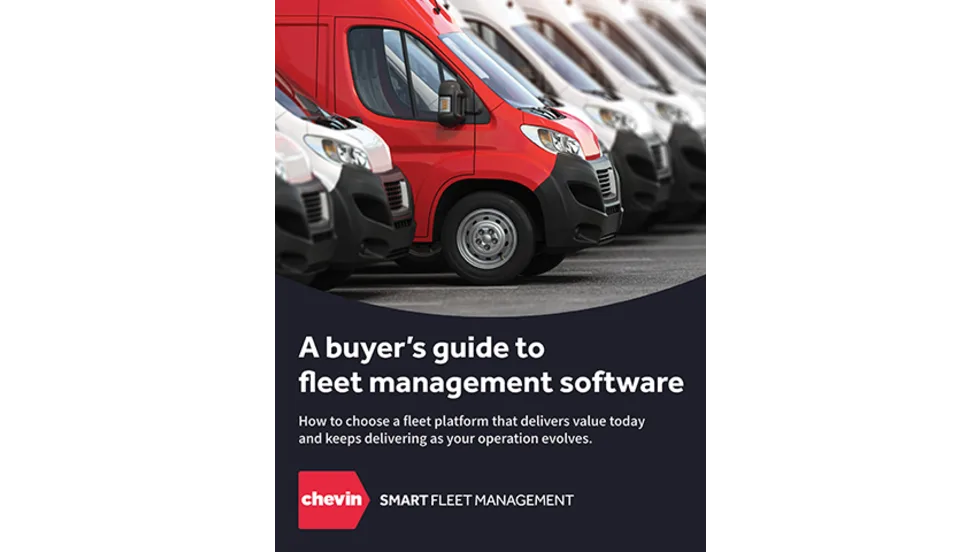
A buyer's guide to fleet management software in 2027
Buying fleet management software in 2027 means looking beyond features and price. As fleet operations, technology and expectations evolve, this guide explores what today’s fleet professionals should consider when choosing a system that can deliver value now and adapt to what comes next.
Read More →
How to Build a Lasting Fleet Career by Staying Curious and Connected
Tina Kourakos never planned on a career in fleet. More than 30 years later, she says curiosity, strong relationships, and a willingness to keep learning helped turn an unexpected assignment into a career spanning fleet management and OEM leadership.
Read More →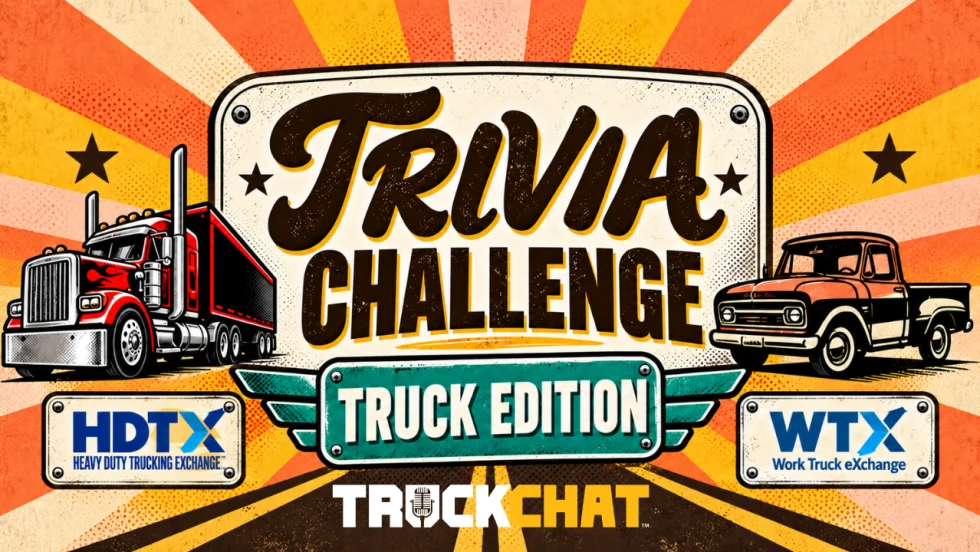
Think You Know Trucks? Take Our 19-Question Fleet Trivia Challenge
From chicken lights to diesel engines and trucking history, test your knowledge with 19 questions from the 2026 Work Truck Exchange and Heavy Duty Trucking Exchange.
Read More →From Our Partners
Basic Tracking vs Next Generation Fleet Technology
Sponsored by AT&T Business

5 Facts Every Fleet Manager Should Know About Embedded Telematics
Sponsored by Stellantis/Mobilisights
How AI Video Telematics Boosts Driver Safety and Helps to Avoid Unnecessary Costs
Sponsored by Verizon Connect

Charting the 8 Bottom-Line Benefits of Workforce Optimization
Sponsored by Verizon Connect

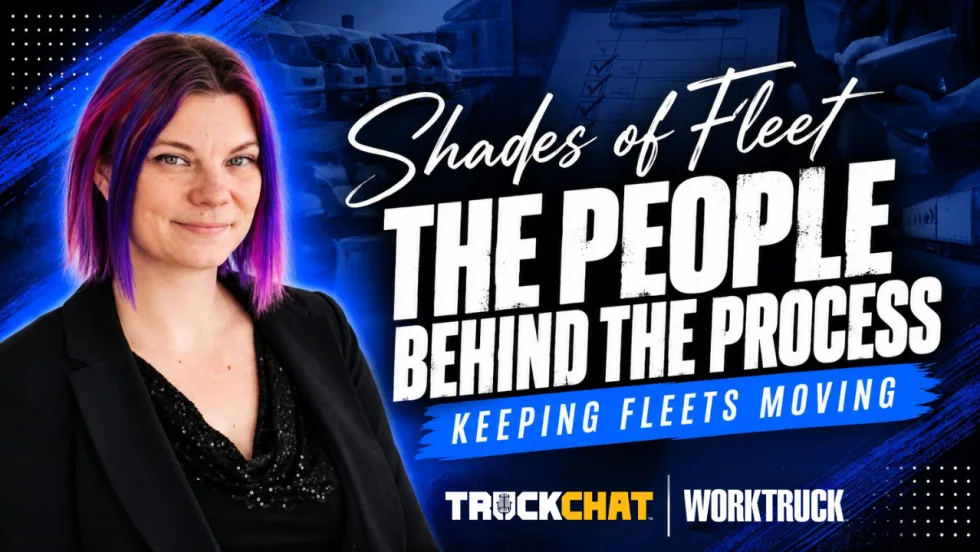
Where’s My Truck: Inside the Fleet Logistics Work Nobody Sees
Shades of Fleet video thumbnail featuring Lauren Fletcher beside the text “The People Behind the Process, Keeping Fleets Moving,” with fleet vehicles and logistics imagery in the background.
Read More →
Work Truck Seeks Fleet and Industry Insights on 2026 Trends and 2027 Forecasts
Work Truck is seeking insights from fleet leaders and industry partners on the trends that shaped 2026 and what commercial fleets should prepare for in 2027. Participate today!
Read More →
It's 10 p.m... Do You Know Who Has Access to Your Fleet?
Preventing cargo theft requires investment in technology, operational processes, and employee training. In an industry with tight margins, it can be difficult to justify investments whose value is measured by incidents that might never occur.
Read More →
GeoFencing Adds to Your Truck Security Arsenal
Geofencing is a familiar fleet tool today, but its early adoption marked a major shift in vehicle tracking, route monitoring, and the debate over employee privacy.
Read More →
Truckers’ Strike Rumors, New GM Engines, and Hidden Idling Costs Lead This Week’s News
Truckers’ strike rumors, GM’s new 2027 engines, hidden idling costs, racing lessons, IRP rules, and more headline this week’s Truck Chat Weekly Cheat Sheet.
Read More →
Shades of Fleet Wants to Hear From You About Building a Culture of Care
Fleet leaders, we want to hear from you. Share how empathy, trust, and creating space for people can strengthen your team, improve performance, and support retention.
Read More →
What Racing Can Teach Work Truck Fleets About the Work Nobody Sees
Race car driver and mechanical engineer Isaac Johnson shares practical lessons on preparation, relationships, setbacks, and building teams that perform when it counts.
Read More →