




Toyota Tundra Tops IIHS Pickup Crash Tests
Toyota Motor Co.'s full-sized Tundra pickup truck came out on top in crash tests just released by the Insurance Institute for Highway Safety (IIHS). The Tundra outdid competitors from Detroit's Big Three automakers, including Ford Motor Co.'s popular F-150, in the IIHS tests. The IIHS, a U.S. insurance industry group, issued results of its "offset" crash tests on June 4. The tests are designed to determine how well occupants would survive in a vehicle if the driver's side of the front end plowed into a barrier at 40 mph. Toyota's Tundra claimed first place with a "good" rating for crashworthiness overall. In contrast, the F-150, which Ford says is the world's best-selling vehicle, was the worst performer and rated "poor" for what IIHS President Brian O'Neill described as "major collapse of the occupant compartment" in the offset test. "As a result of this collapse, the (crash test) dummy's movement wasn't well controlled. High injury measures were recorded on the dummy's head and neck. The airbag deployed late in the crash, and this also contributed to the high injury measures," O'Neill said. The Dodge Ram 1500 pickup, produced by the U.S. unit of DaimlerChrysler AG, also earned a "poor" rating in the crash test, although it performed slightly better than the F-150. The Ram's airbag also deployed late, contributing to high head and neck injury measures, IIHS said. According to IIHS, the Chevrolet Silverado 1500 and its sister vehicle, the GMC Sierra 1500, both manufactured by General Motors Corp., earned a "marginal" safety rating overall. The GM trucks won higher marks than the Tundra in terms of injury protection, but rated poorly for damage to the passenger compartment. Interestingly, the results are the reverse of rankings from frontal crash tests performed by the National Highway Traffic Safety Administration (NHTSA). In those tests, the F-150 earned the highest ratings of the four trucks, with four out of five stars for driver protection and five stars for passenger protection. The Tundra rated the lowest, earning three stars in both tests. Ford Responds to Results In a written response to the IIHS test data, James Vondale, director of Ford's Automotive Safety Office, said improving the F-150's rating in the offset test would require changes to the vehicle's front-end that could compromise its performance in the government's frontal test. Vondale also said the changes could affect "compatibility" with other vehicles, a reference to the kind of damage the F-150 would typically inflict on a smaller car or truck in a crash. According to Vondale, the IIHS frontal offset test is a severe high-speed test that does not often occur in real world situations. "That said, we are certainly examining the results of the test to see if any structural changes can be made without compromising the already high level of safety of the vehicle," Vondale said.
More Small Fleet


Developing Budget-Friendly Driver Safety Programs
From driver training and safety meetings to one-on-one coaching and incentive programs, several small fleets share how they have developed a safety culture with their drivers using low- to no-cost resources.
Read More →
Boosting Last-Mile Fleet Uptime, Safety, and Value with AI Vehicle Inspections
AI-powered inspections are transforming last-mile fleets by replacing manual checks with highly accurate automated scans that detect defects in seconds. By giving fleet operations visibility into the daily condition of their vehicles, you can identify trends over the vehicle’s lifecycle that enable improved procurement decisions, route management, driver training and accountability.
Read More →

Five Ways Seat Belts Help Prevent Injuries
There are five ways seat belts protect occupants from injuries, according to the Tennessee Department of Safety and Homeland Security.
Read More →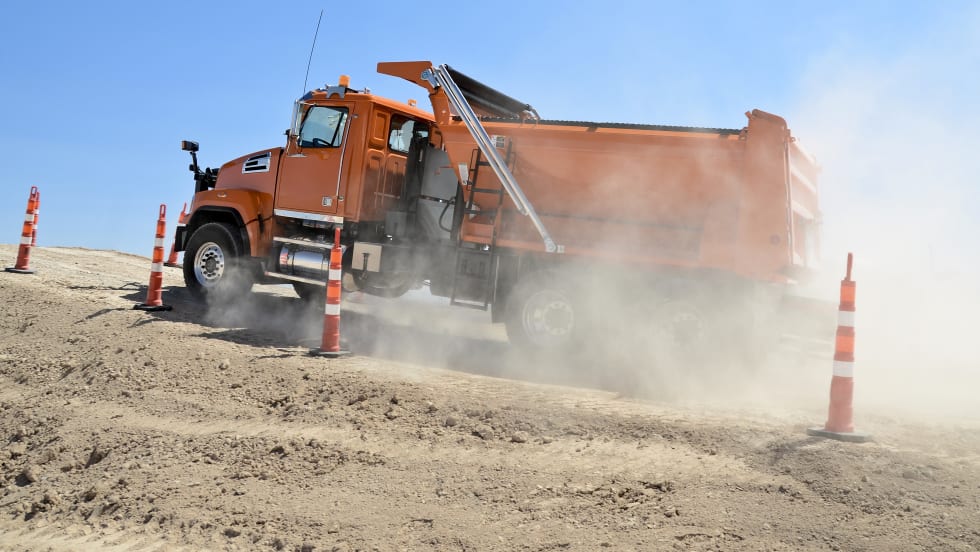
Basic Tracking vs Next Generation Fleet Technology
Fleet software is getting more sophisticated and effective than ever, tying big data models together to transform maintenance, safety, and the value of your existing tech stack. Fleet technology upgrades are undoubtedly an investment, but updated technology can offer a much higher return. Read how upgrading your fleet technology can increase the return on your investment.
Read More →
It’s here: The 2026 Fleet Technology Trends Report
What does AI mean for fleets? Get the answer — and learn other top tech trends.
Read More →
Small Fleets, Big Impact: How Independent Drivers Power Wreaths Across America
Check out how small fleets and independent drivers power Wreaths Across America each December and why their impact matters more than ever.
Read More →
VMS Survey Finds 65% of Small Fleet Managers Run Operations Alone
A new VMS survey shows small fleet managers are stretched thin, with most handling operations solo and eager to adopt digital tools for relief.
Read More →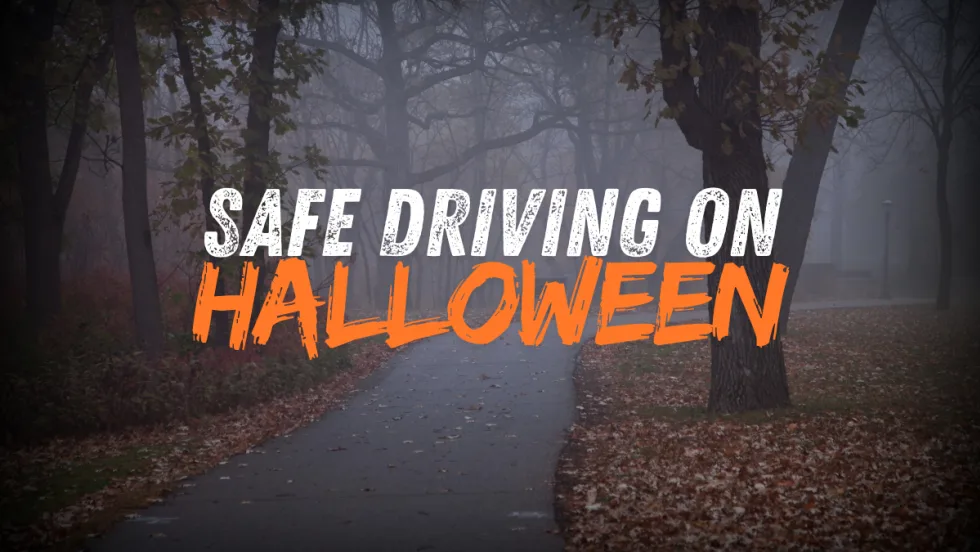
Tips for Driving Safely on Halloween Night
This video features a reminder from the Connecticut Department of Transportation (DOT) and the Connecticut Police Chiefs Association, urging drivers to prioritize safety this Halloween.
Read More →
AI, Access, and Uptime: VMS’s Next Chapter with David Prusinski
VMS’s new Co-CEO, David Prusinski, shares how an AI-first approach will give small fleets and repair shops the tools to compete like big players.
Read More →