




Toyota to Begin Selling Zero Emission RAV4-EV to California Retail Customers in February
Toyota Motor Sales (TMS), U.S.A., Inc. announced Dec. 12 that it will begin offering the RAV4-EV (electric vehicle) to retail customers in California beginning in February 2002. The Toyota RAV4-EV is a zero emission, electric version of Toyota's RAV4 sport utility vehicle (SUV). The announcement was made at the 2001 Electric Transportation Industry Conference and Exposition. In 1997, Toyota began making the RAV4-EV available nationally through a special fleet lease program to major corporations and utilities. Today, RAV4-EV is one of the best-selling electric vehicles in the country with more than 900 in service nationwide, including 700 on the road in California. Beginning in 2003, the California Air Resources Board (CARB) Zero Emissions Vehicle Mandate (ZEV) will take effect, requiring 10 percent of all new vehicles sold in California to meet low emissions standards, with two percent qualified as zero emission vehicles. As part of Toyota's overall compliance effort, and in order to meet the zero emissions mandate, Toyota will begin offering RAV4-EVs to retail customers in February 2002. "Being one of the first EVs to market demonstrates Toyota's commitment to the environment, CARB, the EV market and consumers who are looking for a functional zero-emissions vehicle to meet their needs," said Ernest Bastien, TMS corporate vehicle marketing manager. "The RAV4-EV combines the best of both worlds. It is 100 percent emissions-free and has 100 percent of the versatility of an SUV." The RAV4-EV is powered by a maintenance-free, permanent magnet motor, producing 50kW of power (equivalent to a 67-horsepower gasoline engine). It's top speed is 78 mph. With a range between 80 and 100 miles per charge, RAV4-EV can be used to meet most daily driving needs, according to Toyota. As a compact SUV with seating for five and space for cargo, the RAV4 offers a level of flexible use that most other EVs haven't matched. Standard equipment includes four-wheel anti-lock brakes, alloy wheels, dual front airbags, air conditioning, power-operated mirrors, windows and door locks, and a deluxe sound system with a CD player. The RAV4-EV will have a MSRP of $42,000, but a $9,000 incentive from CARB and a $3,000 IRS credit will bring the price down to $30,000, which includes an in-home charging device. There will also be three special introductory lease options, which also include the use of the charger. When RAV4-EV goes on sale in February, Toyota says it will have a participating dealer in every major metro market in California. Like the Prius gas/electric hybrid vehicle, customers will have the ability to communicate and order the RAV4-EV online and take actual delivery through a participating dealer.
More Small Fleet


Developing Budget-Friendly Driver Safety Programs
From driver training and safety meetings to one-on-one coaching and incentive programs, several small fleets share how they have developed a safety culture with their drivers using low- to no-cost resources.
Read More →
Boosting Last-Mile Fleet Uptime, Safety, and Value with AI Vehicle Inspections
AI-powered inspections are transforming last-mile fleets by replacing manual checks with highly accurate automated scans that detect defects in seconds. By giving fleet operations visibility into the daily condition of their vehicles, you can identify trends over the vehicle’s lifecycle that enable improved procurement decisions, route management, driver training and accountability.
Read More →
Five Ways Seat Belts Help Prevent Injuries
There are five ways seat belts protect occupants from injuries, according to the Tennessee Department of Safety and Homeland Security.
Read More →
It’s here: The 2026 Fleet Technology Trends Report
What does AI mean for fleets? Get the answer — and learn other top tech trends.
Read More →
Small Fleets, Big Impact: How Independent Drivers Power Wreaths Across America
Check out how small fleets and independent drivers power Wreaths Across America each December and why their impact matters more than ever.
Read More →
VMS Survey Finds 65% of Small Fleet Managers Run Operations Alone
A new VMS survey shows small fleet managers are stretched thin, with most handling operations solo and eager to adopt digital tools for relief.
Read More →
Tips for Driving Safely on Halloween Night
This video features a reminder from the Connecticut Department of Transportation (DOT) and the Connecticut Police Chiefs Association, urging drivers to prioritize safety this Halloween.
Read More →
AI, Access, and Uptime: VMS’s Next Chapter with David Prusinski
VMS’s new Co-CEO, David Prusinski, shares how an AI-first approach will give small fleets and repair shops the tools to compete like big players.
Read More →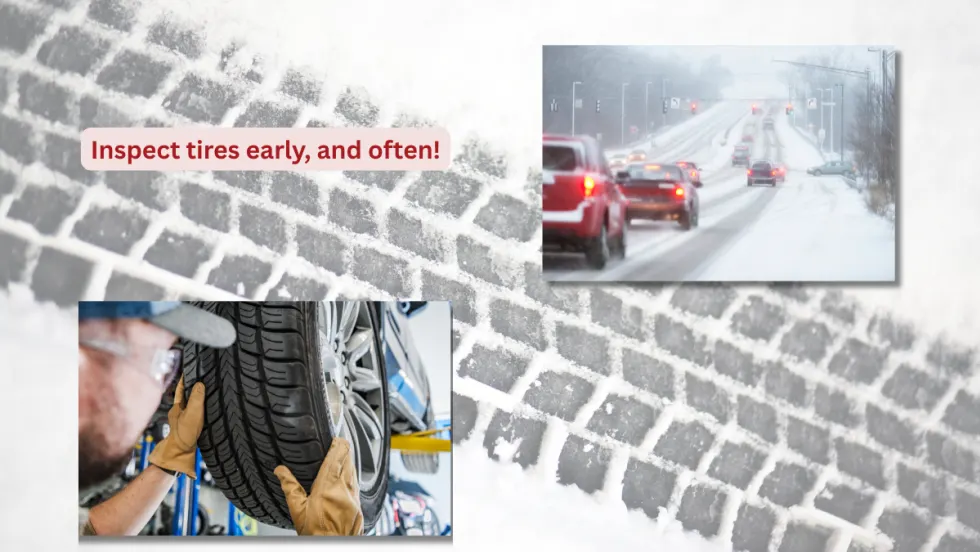
Fleet Managers Share Winter Prep Tips: It's Never Too Early!
Three fleets share best practices to prep vehicles for winter and prevent downtime when the cold sets in.
Read More →