




Toyota Reports 'Unprecedented' Pre-Launch Response to Second-Generation Prius Hybrid
Toyota dealers in the United States are experiencing what's being called an "overwhelming response" to the all-new 2004 second-generation Toyota Prius gas-electric hybrid vehicle, according to Toyota. Even though the new Prius does not launch in the U.S. until October 17th, nearly 10,000 orders have already been taken for the popular hybrid, Toyota said. "We knew interest in the new Prius would be strong," said Don Esmond, Toyota Motor Sales senior vice president and general manager. "However, with the incredible demand we are experiencing, we may need to request additional production from our Tsutsumi plant in Toyota City, Japan." The current production plan of 36,000 vehicles for 2004 calendar year is up from a high of 21,000 units in 2002. Toyota said its dealers have received more than 3,000 pre-orders. Additionally, an estimated 4,000 advance orders have been received for public and private fleets, and more than 1,200 orders for TRAC, Toyota's rental car operation. More than 1,200 additional orders have been received from a special "Prius Pioneers" early-buyer internet program. When the first-generation Prius was launched in the summer of 2000, sales transactions were initiated by early buyers on the Internet. The process culminated with vehicle delivery at a Toyota dealership of the buyer's choice. Toyota refers to these initial owners as "Prius Pioneers" for their leap-of-faith in an all-new, but promising technology. Most importantly, many of these early buyers became outspoken advocates of the Prius and its hybrid technology, strongly recommending the vehicle to family and friends -- and anyone tuned in to Internet chat rooms. To recognize these owners for their loyalty a one-time Prius early-buyer program ran from June 30th to July 20th. Nearly 18,000 "Prius Pioneers" were identified and notified via the Internet. These "Prius Pioneers" were given the opportunity to order their new Prius online. These vehicles will be the first delivered at Toyota dealerships when the Prius officially goes on sale, nationwide. Interest in the new Prius continues to be particularly strong on the Internet, where Toyota has been contacted by approximately 60,000 hand-raisers requesting Prius information. In July and August Prius was the most popular model on Toyota.com, Toyota's public Web site, with nearly 385,000 visits by unique users each month. The strong demand for the new Prius has not been limited to the U.S., as dealers in Japan have taken 11,000 Prius orders in its first two weeks on the market, quadrupling what was expected and far exceeding production capacity. Prius (the name comes from the Latin "to go before") was the world's first mass-produced gas-electric hybrid vehicle when introduced in 1997 (2000 in the U.S. market). It has since become the best-selling hybrid vehicle in the world. Prius now incorporates Toyota's second generation of gas-electric hybrid technology and, according to Toyota, "is the first hybrid vehicle available to provide the room, comfort and features of a midsize sedan." The new Prius is the first Toyota product to employ Toyota's Hybrid Synergy Drive, third-generation gas-electric hybrid powertrain technology. The new system produces more power from both the gasoline engine and the electric motor, giving the new Prius acceleration comparable to the Camry midsize sedan. It will carry an estimated EPA rating of 60 MPG in city driving and 51 MPG on the highway, with a combined EPA mileage estimate of 55 MPG compared to 48 MPG for the previous-generation Prius. And like the previous model, Prius never needs to be plugged in for recharging. Pricing for the new Prius carries over unchanged for the fourth-consecutive model year with a base MSRP of $19,995.
More Small Fleet

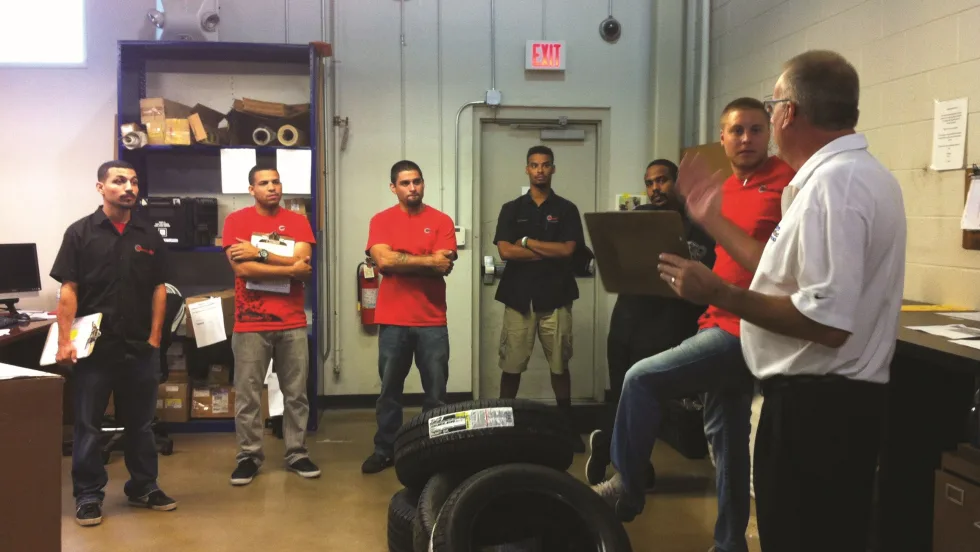
Developing Budget-Friendly Driver Safety Programs
From driver training and safety meetings to one-on-one coaching and incentive programs, several small fleets share how they have developed a safety culture with their drivers using low- to no-cost resources.
Read More →
Boosting Last-Mile Fleet Uptime, Safety, and Value with AI Vehicle Inspections
AI-powered inspections are transforming last-mile fleets by replacing manual checks with highly accurate automated scans that detect defects in seconds. By giving fleet operations visibility into the daily condition of their vehicles, you can identify trends over the vehicle’s lifecycle that enable improved procurement decisions, route management, driver training and accountability.
Read More →

Five Ways Seat Belts Help Prevent Injuries
There are five ways seat belts protect occupants from injuries, according to the Tennessee Department of Safety and Homeland Security.
Read More →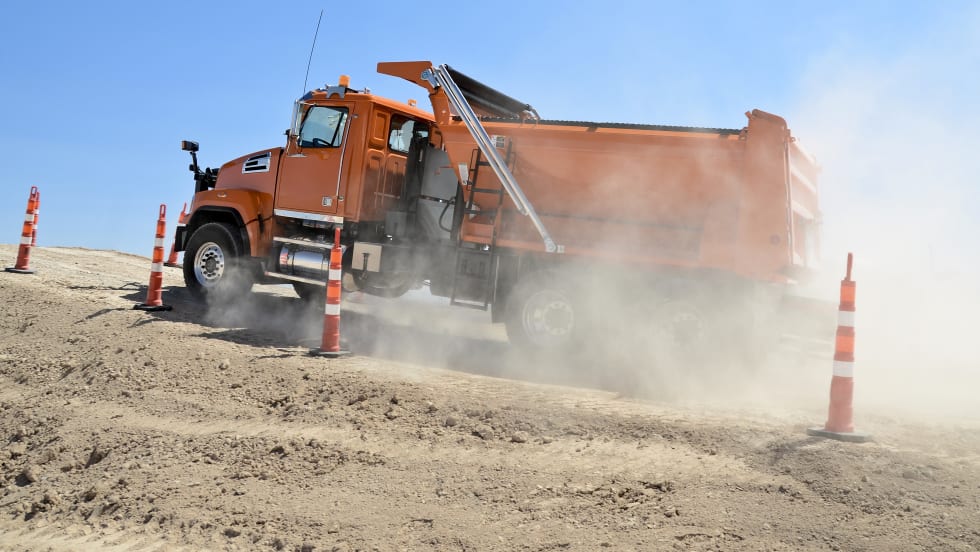
Basic Tracking vs Next Generation Fleet Technology
Fleet software is getting more sophisticated and effective than ever, tying big data models together to transform maintenance, safety, and the value of your existing tech stack. Fleet technology upgrades are undoubtedly an investment, but updated technology can offer a much higher return. Read how upgrading your fleet technology can increase the return on your investment.
Read More →
It’s here: The 2026 Fleet Technology Trends Report
What does AI mean for fleets? Get the answer — and learn other top tech trends.
Read More →
Small Fleets, Big Impact: How Independent Drivers Power Wreaths Across America
Check out how small fleets and independent drivers power Wreaths Across America each December and why their impact matters more than ever.
Read More →
VMS Survey Finds 65% of Small Fleet Managers Run Operations Alone
A new VMS survey shows small fleet managers are stretched thin, with most handling operations solo and eager to adopt digital tools for relief.
Read More →
Tips for Driving Safely on Halloween Night
This video features a reminder from the Connecticut Department of Transportation (DOT) and the Connecticut Police Chiefs Association, urging drivers to prioritize safety this Halloween.
Read More →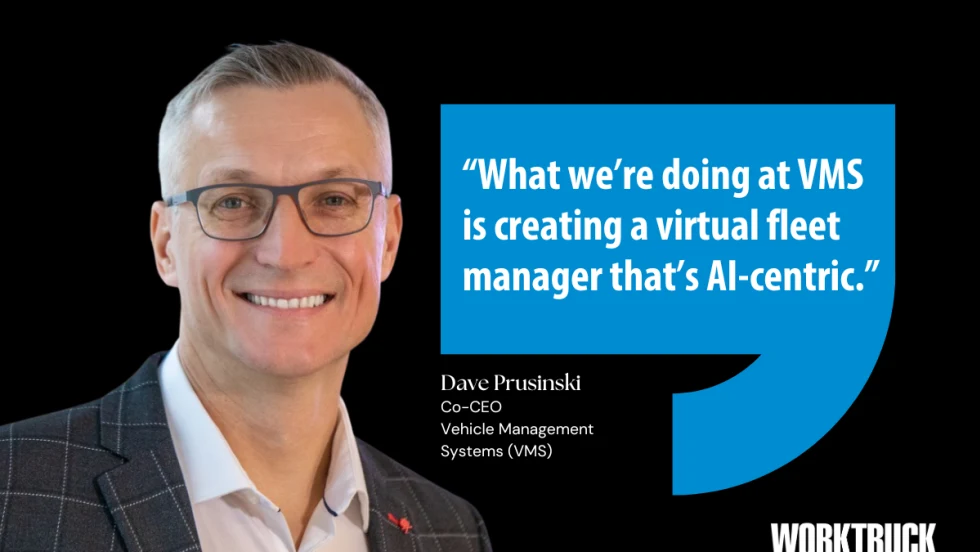
AI, Access, and Uptime: VMS’s Next Chapter with David Prusinski
VMS’s new Co-CEO, David Prusinski, shares how an AI-first approach will give small fleets and repair shops the tools to compete like big players.
Read More →