




Toyota Plans Summer Roll-Out for Fuel Cell Test Vehicle
Toyota Motor Corp said on April 9 it plans to roll out for a test drive this summer a prototype of a new zero-emission vehicle powered by a fuel cell and a battery. The latest version of Toyota's fuel cell hybrid car will be based on a five-passenger Highlander sport-utility vehicle and run primarily on a fuel cell producing 90 kilowatts of power, up from 25 kilowatts in the previous version unveiled four years ago. Despite unresolved technical problems, Japan's largest automaker was optimistic on the outlook for fuel cell vehicles, which use hydrogen as fuel to produce electricity and are widely considered the most promising low- or no-pollution replacement for the internal combustion engine. "We might be able to get fuel-cell cars sooner than many are expecting," Toyota Managing Director Hiroyuki Watanabe told a briefing for reporters. He noted, however, that a number of issues, including cost, safety and reliability, need to be addressed before fuel cell vehicles become a common sight -- considered unlikely until 2010 or later. His optimism was based in part on the success of Toyota's Prius hybrid electric vehicle, which combines a gasoline engine with an electric motor to achieve nearly double the fuel efficiency of a conventional gasoline-engine vehicle. Toyota has sold more than 50,000 of the cars since its November 1997 launch, exceeding initial expectations, according to Watanabe. The fuel cell hybrid would replace Prius's gasoline engine with fuel-cell power. Watanabe also played down differences between DaimlerChrysler AG's fuel cell prototypes using methanol fuel, from which hydrogen is extracted, and Toyota's concept of using clean hydrocarbon fuel, which would be more easily integrated with existing fuel distribution infrastructure. "There will be various processes," Watanabe said, adding that the pursuit of several different options would help speed up the adoption of hydrogen fuel.
More Small Fleet


Developing Budget-Friendly Driver Safety Programs
From driver training and safety meetings to one-on-one coaching and incentive programs, several small fleets share how they have developed a safety culture with their drivers using low- to no-cost resources.
Read More →
Boosting Last-Mile Fleet Uptime, Safety, and Value with AI Vehicle Inspections
AI-powered inspections are transforming last-mile fleets by replacing manual checks with highly accurate automated scans that detect defects in seconds. By giving fleet operations visibility into the daily condition of their vehicles, you can identify trends over the vehicle’s lifecycle that enable improved procurement decisions, route management, driver training and accountability.
Read More →
Five Ways Seat Belts Help Prevent Injuries
There are five ways seat belts protect occupants from injuries, according to the Tennessee Department of Safety and Homeland Security.
Read More →
It’s here: The 2026 Fleet Technology Trends Report
What does AI mean for fleets? Get the answer — and learn other top tech trends.
Read More →
Small Fleets, Big Impact: How Independent Drivers Power Wreaths Across America
Check out how small fleets and independent drivers power Wreaths Across America each December and why their impact matters more than ever.
Read More →
VMS Survey Finds 65% of Small Fleet Managers Run Operations Alone
A new VMS survey shows small fleet managers are stretched thin, with most handling operations solo and eager to adopt digital tools for relief.
Read More →
Tips for Driving Safely on Halloween Night
This video features a reminder from the Connecticut Department of Transportation (DOT) and the Connecticut Police Chiefs Association, urging drivers to prioritize safety this Halloween.
Read More →
AI, Access, and Uptime: VMS’s Next Chapter with David Prusinski
VMS’s new Co-CEO, David Prusinski, shares how an AI-first approach will give small fleets and repair shops the tools to compete like big players.
Read More →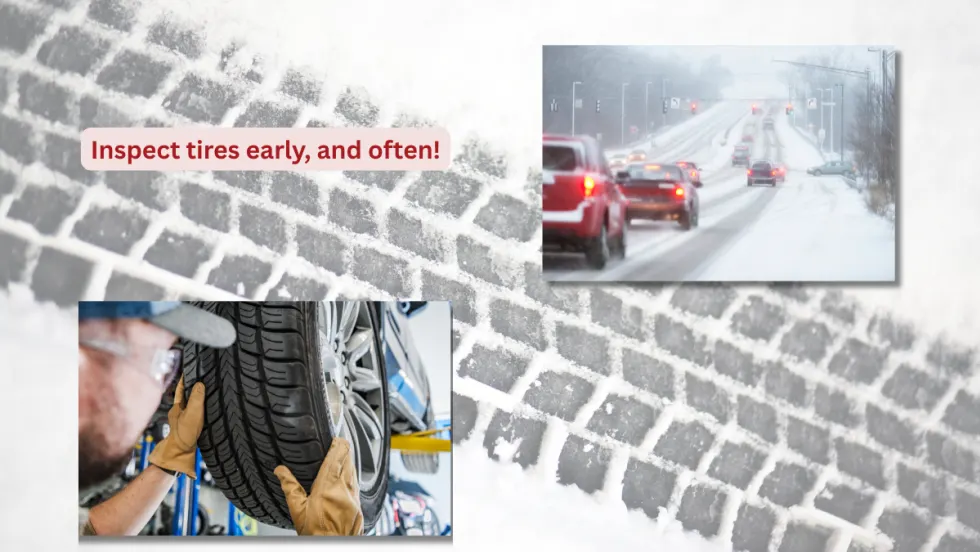
Fleet Managers Share Winter Prep Tips: It's Never Too Early!
Three fleets share best practices to prep vehicles for winter and prevent downtime when the cold sets in.
Read More →