




Toyota Outguns Rivals with SUV Range-Wide Stability Control as Standard
Toyota Motor will turn up the pressure on Detroit vehicle makers another notch by bolstering the safety of its sport utility vehicles, equipping all models, including the entry-level RAV4, with electronic stability control systems, according to the Detroit News. Because of their high center of gravity, SUVs are more prone to rollovers than cars that ride lower to the ground, and the devices intervene to prevent the type of skidding that often precedes deadly rollovers, the News said, noting that, each year, rollovers account for about a quarter of U.S. fatalities and more than half of SUV occupant fatalities. The News said U.S. vehicle makers generate big profits from SUV sales, but trail many foreign rivals when it comes to equipping the vehicles with expensive high-tech safety features such as electronic stability control which, according to suppliers, costs $400-$500 a vehicle, or a bit less if the vehicle is already equipped with anti-lock braking. That, the newspaper said, compares with as little as $50 for a tire-pressure-monitoring system, one of the federally-mandated requirements to come out of the Ford-Firestone rollover scandal. The News said safety experts are pushing manufacturers to at least equip SUVs with stability control systems. Luxury SUVs sold by Mercedes-Benz and BMW have long been fitted with the feature but now Toyota is upping the ante by providing them as standard equipment on an SUV priced under $20,000, the paper added. U.S. vehicle makers offer stability control systems as standard or optional on larger SUVs but not on their smaller models, according to the News. Rival Japanese brands take a similar approach, the paper said, and claim few buyers are prepared to pay for the expensive option. Toyota spokesman John Hanson told the newspaper the company has extended vehicle stability control across its SUV range to generate economies of scale.
More Small Fleet


Developing Budget-Friendly Driver Safety Programs
From driver training and safety meetings to one-on-one coaching and incentive programs, several small fleets share how they have developed a safety culture with their drivers using low- to no-cost resources.
Read More →
Boosting Last-Mile Fleet Uptime, Safety, and Value with AI Vehicle Inspections
AI-powered inspections are transforming last-mile fleets by replacing manual checks with highly accurate automated scans that detect defects in seconds. By giving fleet operations visibility into the daily condition of their vehicles, you can identify trends over the vehicle’s lifecycle that enable improved procurement decisions, route management, driver training and accountability.
Read More →

Five Ways Seat Belts Help Prevent Injuries
There are five ways seat belts protect occupants from injuries, according to the Tennessee Department of Safety and Homeland Security.
Read More →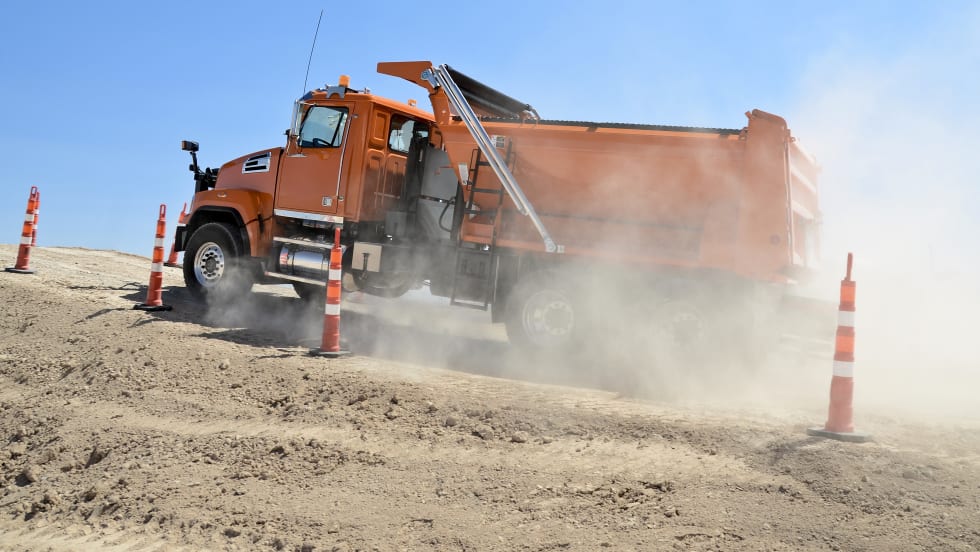
Basic Tracking vs Next Generation Fleet Technology
Fleet software is getting more sophisticated and effective than ever, tying big data models together to transform maintenance, safety, and the value of your existing tech stack. Fleet technology upgrades are undoubtedly an investment, but updated technology can offer a much higher return. Read how upgrading your fleet technology can increase the return on your investment.
Read More →
It’s here: The 2026 Fleet Technology Trends Report
What does AI mean for fleets? Get the answer — and learn other top tech trends.
Read More →
Small Fleets, Big Impact: How Independent Drivers Power Wreaths Across America
Check out how small fleets and independent drivers power Wreaths Across America each December and why their impact matters more than ever.
Read More →
VMS Survey Finds 65% of Small Fleet Managers Run Operations Alone
A new VMS survey shows small fleet managers are stretched thin, with most handling operations solo and eager to adopt digital tools for relief.
Read More →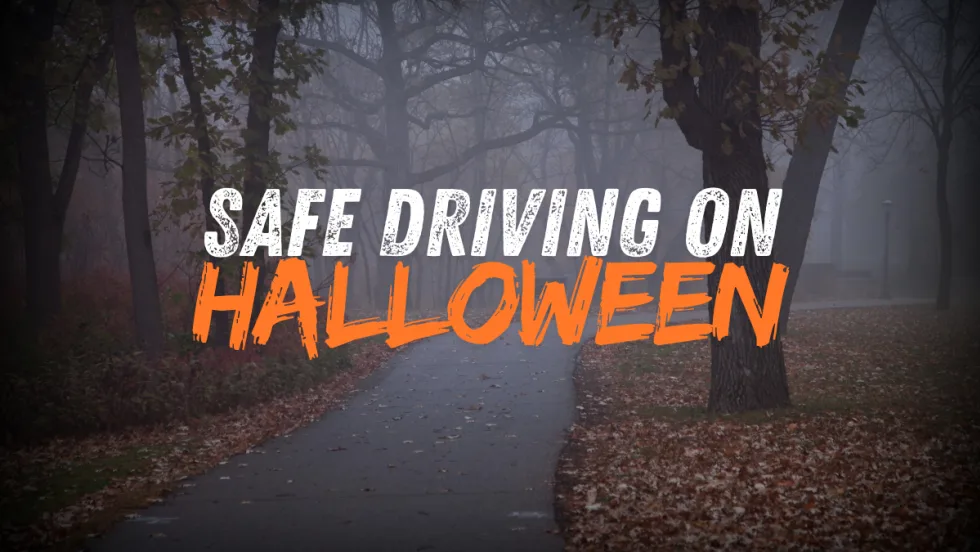
Tips for Driving Safely on Halloween Night
This video features a reminder from the Connecticut Department of Transportation (DOT) and the Connecticut Police Chiefs Association, urging drivers to prioritize safety this Halloween.
Read More →
AI, Access, and Uptime: VMS’s Next Chapter with David Prusinski
VMS’s new Co-CEO, David Prusinski, shares how an AI-first approach will give small fleets and repair shops the tools to compete like big players.
Read More →