




Toyota Calls For Fairness In Any New Corporate Average Fuel Economy Standards
In testimony given December 6th before the Senate Commerce Committee, a Toyota executive called for fairness, effectiveness and adequate engineering lead time in any changes made to the Corporate Average Fuel Economy (CAFE) standards.
Quoting a report on the CAFE system prepared for Congress by a National Academy of Sciences (NAS) panel, Jim Olson, senior vice president of Toyota Motor North America, said "The NAS report says that any changes should not 'impose higher burdens on those manufacturers who had already done the most to reduce energy consumption.'"
"Specifically, NAS said that to require each manufacturer to improve its own CAFE by a defined percentage -- the so-called Uniform Percentage Increase (UPI) approach -- 'punishes those who have done the most ... and seems to convey a moral lesson that it is better to lag than to lead,'" Olson continued.
Olson also stated that UPI would frustrate effective energy-conservation and environmental gains by causing higher-fuel economy vehicles to be replaced by lower-mileage vehicles from producers with lower fuel-economy targets. Olson noted that some industry experts have said that UPI stands for Unwarranted Punishment of Innovation in longer, separately submitted written testimony.
Olson called for Congress and the National Highway Traffic Safety Administration (NHTSA), which administers the CAFE program, to find ways to better align government desires and market demand. Meanwhile, according to Toyota, the company continues to improve the fuel-efficiency of each new generation of its many models.
"Although automakers improve product-by-product fuel efficiency, consumers determine the aggregate fuel economy of the 16 million new vehicles sold here each year by what they choose to buy," Olson continued. "Therefore, in shaping future energy policy, the burden of addressing fuel economy should not be placed solely on manufacturers. We have a large role to play, but Congress can help by passing incentive legislation to bring the consumer into the fuel-economy equation."
Olson also noted that NHTSA, not Congress, is best-qualified to deal with the complexities of improving the CAFE system and that "any future program must recognize the many years required to develop new technology, incorporate it into vehicles and bring them to market -- a process that cannot be turned on a dime without severe consequences."
More Small Fleet


Developing Budget-Friendly Driver Safety Programs
From driver training and safety meetings to one-on-one coaching and incentive programs, several small fleets share how they have developed a safety culture with their drivers using low- to no-cost resources.
Read More →
Boosting Last-Mile Fleet Uptime, Safety, and Value with AI Vehicle Inspections
AI-powered inspections are transforming last-mile fleets by replacing manual checks with highly accurate automated scans that detect defects in seconds. By giving fleet operations visibility into the daily condition of their vehicles, you can identify trends over the vehicle’s lifecycle that enable improved procurement decisions, route management, driver training and accountability.
Read More →

Five Ways Seat Belts Help Prevent Injuries
There are five ways seat belts protect occupants from injuries, according to the Tennessee Department of Safety and Homeland Security.
Read More →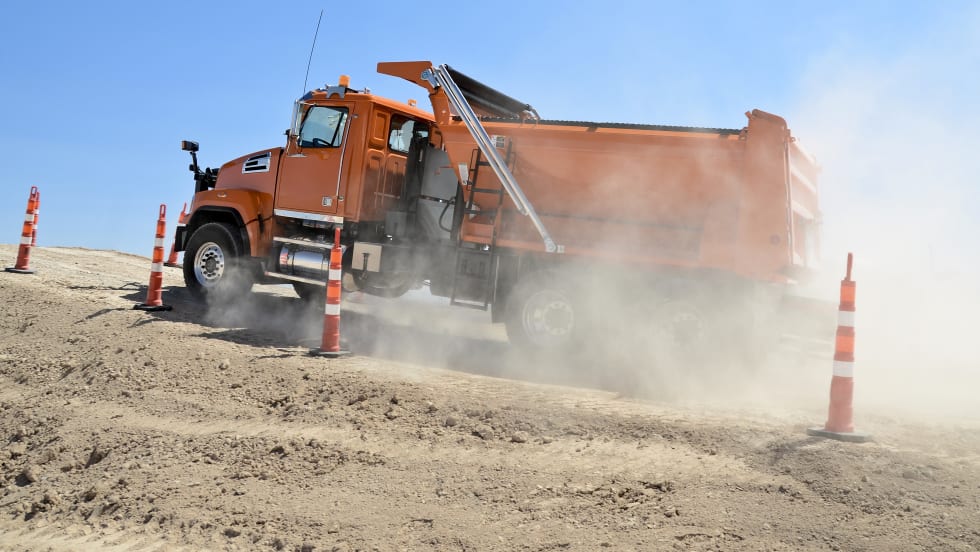
Basic Tracking vs Next Generation Fleet Technology
Fleet software is getting more sophisticated and effective than ever, tying big data models together to transform maintenance, safety, and the value of your existing tech stack. Fleet technology upgrades are undoubtedly an investment, but updated technology can offer a much higher return. Read how upgrading your fleet technology can increase the return on your investment.
Read More →
It’s here: The 2026 Fleet Technology Trends Report
What does AI mean for fleets? Get the answer — and learn other top tech trends.
Read More →
Small Fleets, Big Impact: How Independent Drivers Power Wreaths Across America
Check out how small fleets and independent drivers power Wreaths Across America each December and why their impact matters more than ever.
Read More →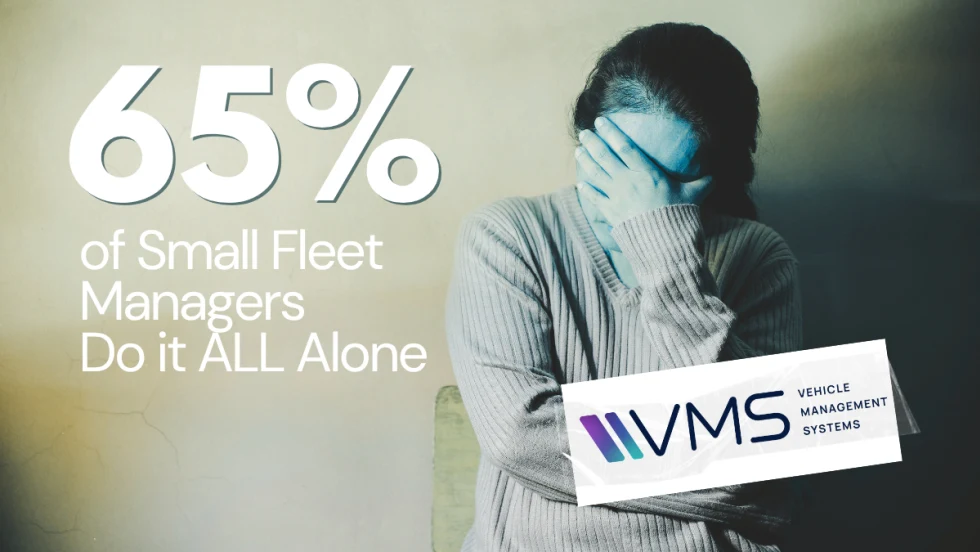
VMS Survey Finds 65% of Small Fleet Managers Run Operations Alone
A new VMS survey shows small fleet managers are stretched thin, with most handling operations solo and eager to adopt digital tools for relief.
Read More →
Tips for Driving Safely on Halloween Night
This video features a reminder from the Connecticut Department of Transportation (DOT) and the Connecticut Police Chiefs Association, urging drivers to prioritize safety this Halloween.
Read More →
AI, Access, and Uptime: VMS’s Next Chapter with David Prusinski
VMS’s new Co-CEO, David Prusinski, shares how an AI-first approach will give small fleets and repair shops the tools to compete like big players.
Read More →