




Toyota Announces Plan For Development Of California Hydrogen Fuel-Cell Vehicle "Community"
Toyota Motor Sales (TMS), U.S.A., Inc., announced that it will begin a program in December that will help to establish a fuel-cell hybrid-electric vehicle (FCHV) community in the state of California, linking government, education and industry, and include partner-providers of hydrogen refueling infrastructure. "The task of bringing practical fuel-cell powered vehicles to the mass market will require a considerable investment of time, resources, cooperation and patience," said Jim Press, TMS executive vice president and COO. "This program marks a significant first step in the right direction." The program begins with the delivery of the first two Toyota FCHV hydrogen fuel-cell vehicles to the University of California, Irvine (UCI) and the University of California, Davis (UCD) at a press conference on Monday, Dec. 2, at the Barclay Theatre, adjacent the UCI campus. The vehicles will be leased to the universities for 30 months at a cost of approximately $10,000 per month. The Toyota FCHV is based on Toyota's popular Highlander mid-size sport utility vehicle and represents advancement on the FCHV-4 hydrogen fuel-cell vehicle, which has undergone real-world testing over the last 16 months in California and Japan. TMS' parent company, Toyota Motor Corporation, announced that it will initiate a lease program that will place four Toyota FCHVs with agencies of the Japan government on December 2. At its Dec. 2, press conference, TMS will announce complete details of its fuel-cell community program including specific information on infrastructure providers and how the vehicles, as well as additional resources to be provided by Toyota, will contribute to on-going research, development and implementation.
More Small Fleet


Developing Budget-Friendly Driver Safety Programs
From driver training and safety meetings to one-on-one coaching and incentive programs, several small fleets share how they have developed a safety culture with their drivers using low- to no-cost resources.
Read More →
Boosting Last-Mile Fleet Uptime, Safety, and Value with AI Vehicle Inspections
AI-powered inspections are transforming last-mile fleets by replacing manual checks with highly accurate automated scans that detect defects in seconds. By giving fleet operations visibility into the daily condition of their vehicles, you can identify trends over the vehicle’s lifecycle that enable improved procurement decisions, route management, driver training and accountability.
Read More →
Five Ways Seat Belts Help Prevent Injuries
There are five ways seat belts protect occupants from injuries, according to the Tennessee Department of Safety and Homeland Security.
Read More →
It’s here: The 2026 Fleet Technology Trends Report
What does AI mean for fleets? Get the answer — and learn other top tech trends.
Read More →
Small Fleets, Big Impact: How Independent Drivers Power Wreaths Across America
Check out how small fleets and independent drivers power Wreaths Across America each December and why their impact matters more than ever.
Read More →
VMS Survey Finds 65% of Small Fleet Managers Run Operations Alone
A new VMS survey shows small fleet managers are stretched thin, with most handling operations solo and eager to adopt digital tools for relief.
Read More →
Tips for Driving Safely on Halloween Night
This video features a reminder from the Connecticut Department of Transportation (DOT) and the Connecticut Police Chiefs Association, urging drivers to prioritize safety this Halloween.
Read More →
AI, Access, and Uptime: VMS’s Next Chapter with David Prusinski
VMS’s new Co-CEO, David Prusinski, shares how an AI-first approach will give small fleets and repair shops the tools to compete like big players.
Read More →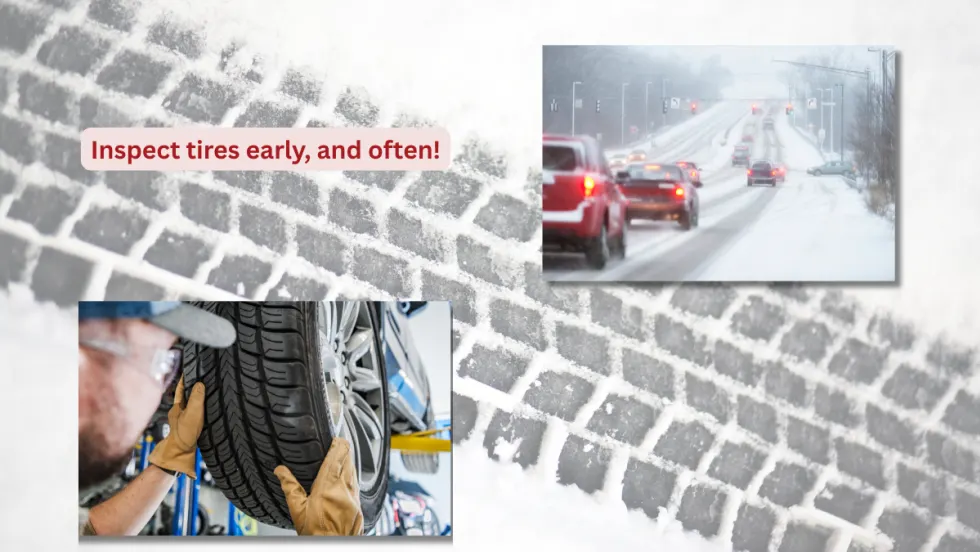
Fleet Managers Share Winter Prep Tips: It's Never Too Early!
Three fleets share best practices to prep vehicles for winter and prevent downtime when the cold sets in.
Read More →