




Related story: Terex Corp. Acquires Dueco
Terex Celebrates Digger Derrick's 70th Anniversary
Established in 1945 with the advent of the Tel-E-lect digger derrick, the company’s product line now includes the Terex Commander 4000, 5000 and 6000 digger derricks, as well as the Terex General 65, 80 and 95 models.
by Staff
May 22, 2015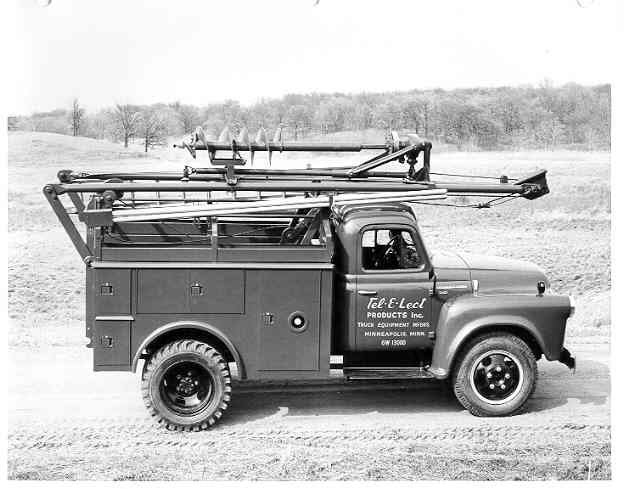
The first Tel-E-lect trucks utilized the truck’s differential to mechanically turn an auger, which was suspended from the end of an A-frame boom and was raised and lowered by the truck winch line to drill a hole. (Photo: Terex Utilities)
2 min to read
The year 2015 marks 70 years of utility professionals using Terex digger derricks on power grid construction and maintenance projects to quickly and efficiently bore holes and set poles in the ground.
Terex digger derricks are designed for use in electric, utility infrastructure (power line and transmission) and telecommunication applications, including digging holes, hoisting and setting utility poles and lifting other jobsite materials.
“We are truly honored to be celebrating Tel-E-lect’s 70th anniversary this year,” said Jim Lohan, Terex Utilities vice president of sales and marketing. “Since 1945, the utility industry has seen its share of good and bad times, and through it all, Terex has been right there with its customers, providing the right equipment solutions for their utility jobsite challenges.”
Established in 1945 with the advent of the Tel-E-lect digger derrick, the company’s product line now includes the Terex Commander 4000, 5000 and 6000 digger derricks, as well as the Terex General 65, 80 and 95 models.
Tel-E-lect digger derricks were first engineered and built by Leroy C. Lindquist, owner of the Minnetonka Manufacturing Company which manufactured parts for the Telephone and Electric (Tel-E-lect) utility markets in Hopkins, Minn. At the time, Lindquist worked with Northwestern Bell Telephone Company to develop a machine run by power take-off (PTO) on a truck’s transmission to dig holes for telephone poles. The first Tel-E-lect trucks utilized the truck’s differential to mechanically turn an auger, which was suspended from the end of an A-frame boom and was raised and lowered by the truck winch line to drill a hole.
Click here to learn more about the history of Terex digger derricks.
From Aug.11-14, Terex Utilities is offering NCCCO Digger Derrick Operator Certification in Watertown, S.D. Training includes a one-day review session and written and practical exams. Click here for additional details.
More Utility Fleet
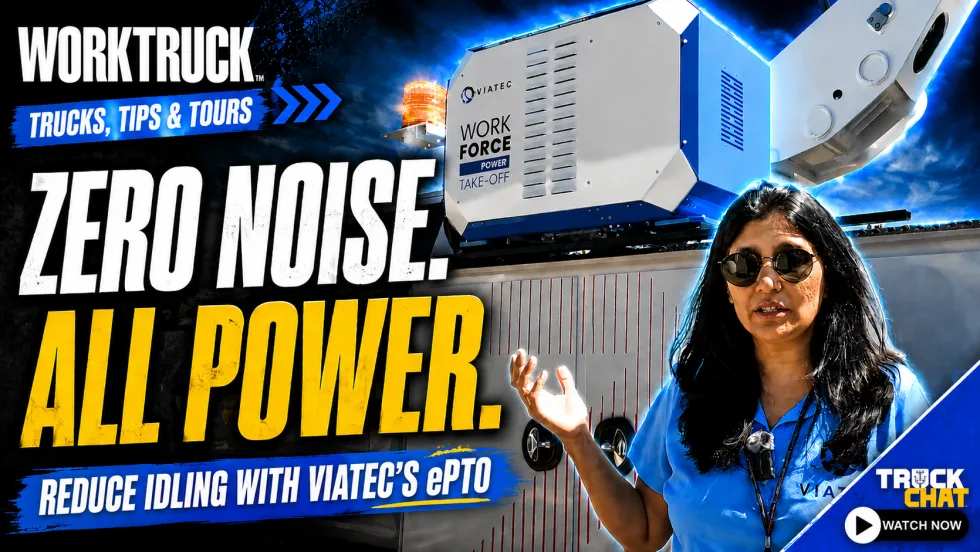
Reduce Noise & Idling with Viatec’s ePTO
Viatec's Workforce ePTO lets utility trucks power booms, outriggers, and auxiliary equipment using battery power instead of idling the engine. Learn how this technology helps reduce fuel use, noise, engine wear, and emissions while improving operator comfort.
Read More →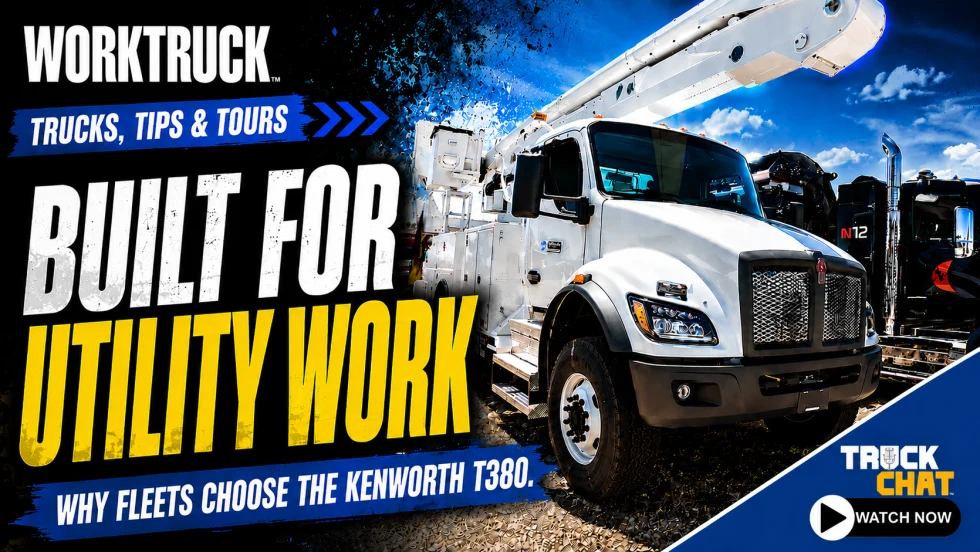
Why Utility Fleets Choose the Kenworth T380
The Kenworth T380 is engineered for utility fleets with custom chassis layouts, optimized frame rails, 4x4 capability, and improved driver visibility. See how its design helps maximize upfit flexibility and field performance.
Read More →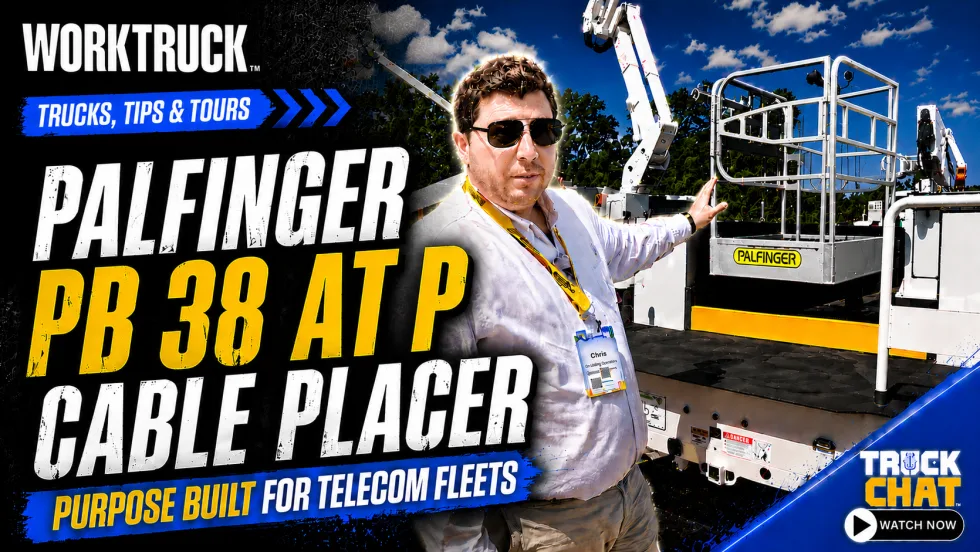
PALFINGER PB 38 AT P: Purpose-Built for Telecom Fleets
Purpose-built for telecommunications crews, the PALFINGER PB 38 ATP combines a 43-foot working height, flexible basket stowage, integrated cameras, and operator communication systems to improve productivity and safety during fiber and overhead cable installation.
Read More →

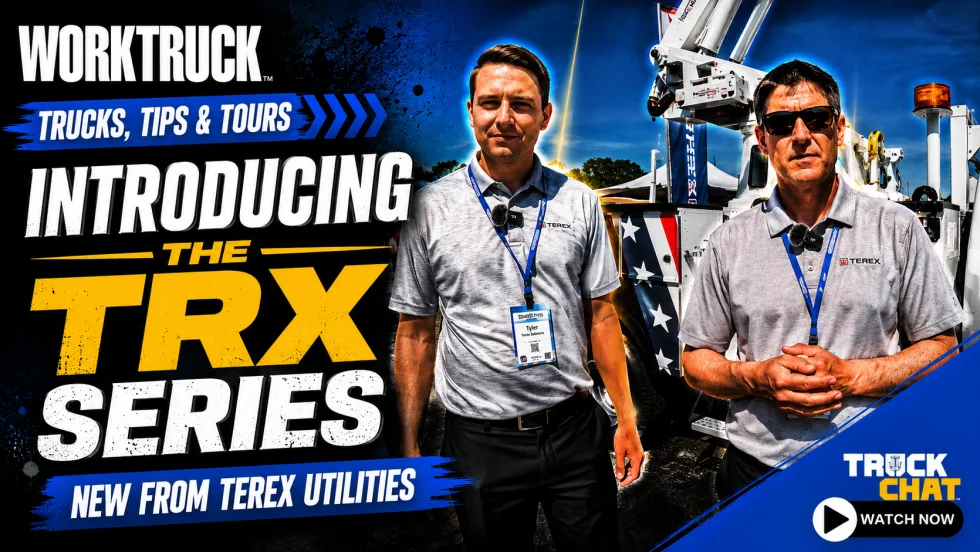
Inside Terex Utilities' Latest Work Truck Innovations
Terex Utilities is advancing utility fleet operations with its new TRX aerial platforms, Flex Pro controls, and AI-powered 3rd Eye safety technology. See how these innovations are helping fleets work safer, smarter, and more productively.
Read More →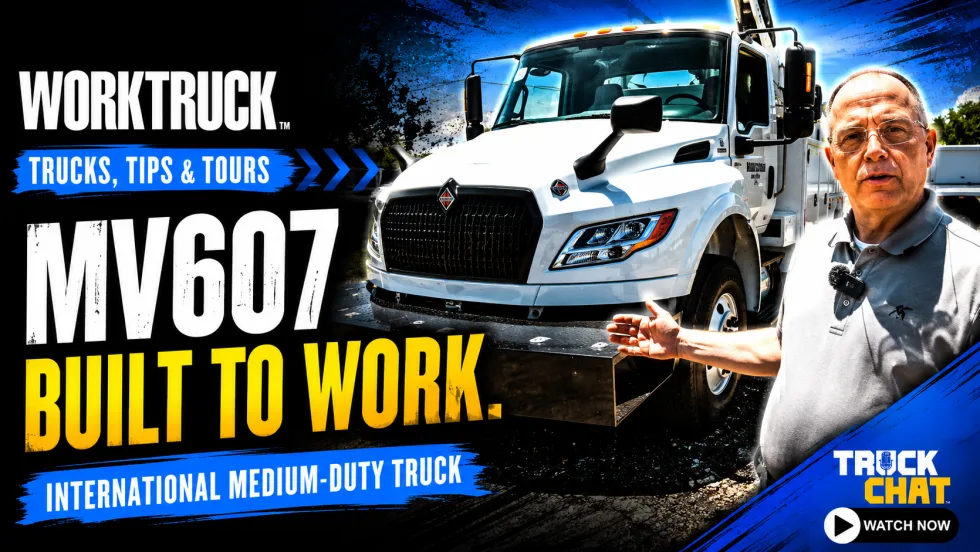
Walkaround of International MV607 Digger Derrick
The International MV607 combines advanced safety technologies, excellent visibility, vocational flexibility, and seamless body integration to create a powerful platform for utility fleet operations. Take a closer look at this Altec digger derrick configuration from EUFMC.
Read More →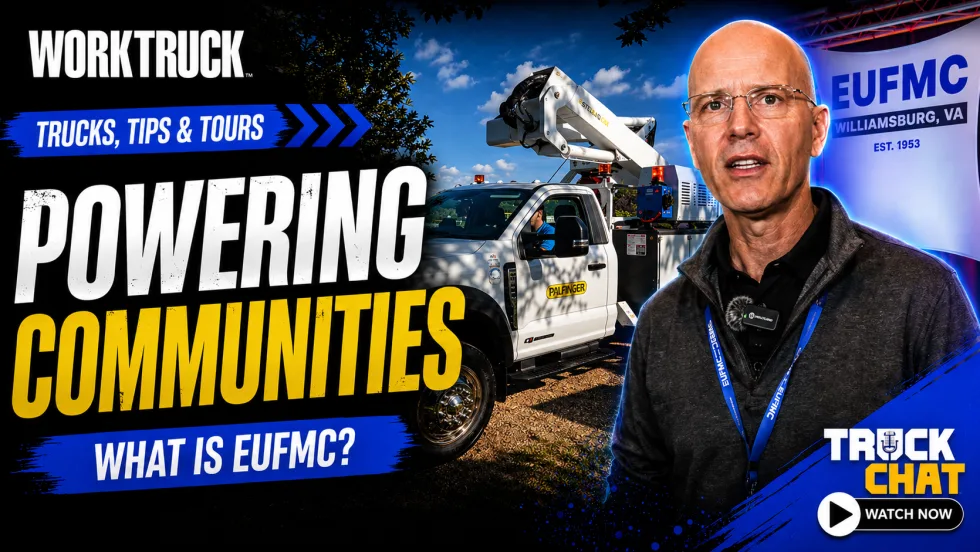
Inside the Electric Utility Fleet Managers Conference
What is EUFMC? For more than seven decades, the Electric Utility Fleet Managers Conference has served as a hub for collaboration, education, and innovation within the utility fleet industry. In this video, Work Truck talks to EUFMC President Greg Loew to learn more.
Read More →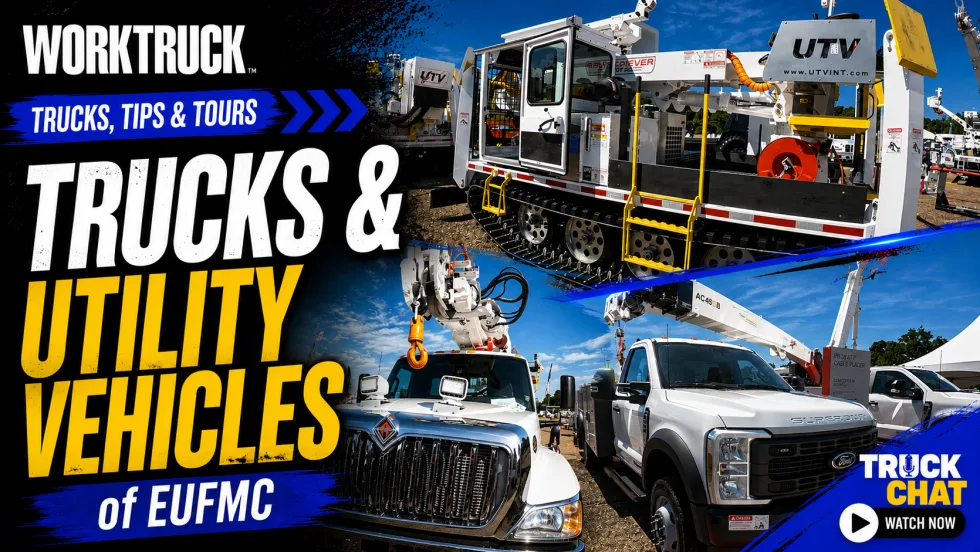
Inside the EUFMC Equipment Expo & Drive-Through
Follow Work Truck as we check out the trucks and other vehicles that were showcased at the Electric Utility Fleet Managers Conference in Williamsburg, Virginia. Whether looking for something on tires or treads, it was there for fleet managers to see.
Read More →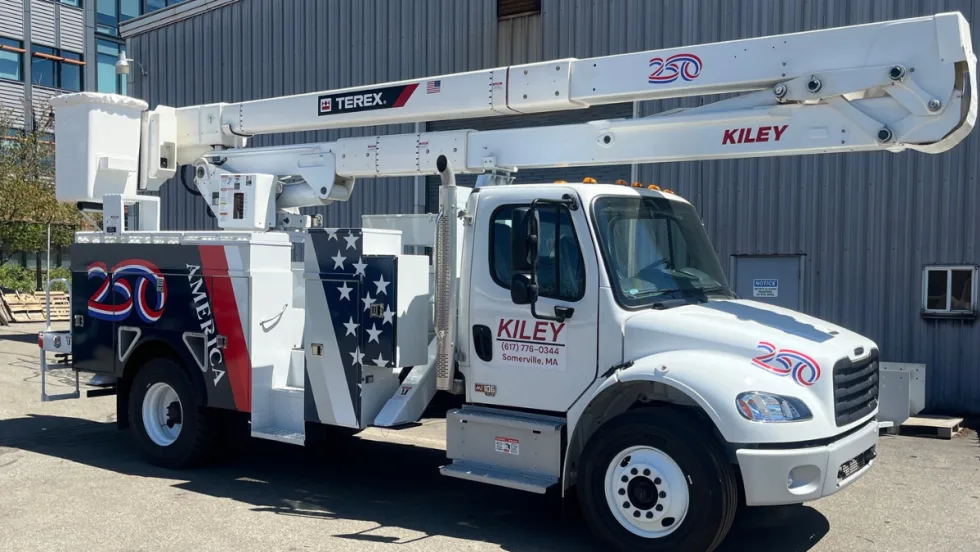
Terex Utilities & Kiley Unveil Custom America 250 Bucket Trucks at EUFMC 2026
Terex Utilities showcased a patriotic spirit in its booth this week during the Electric Utility Fleet Managers Conference in Williamsburg, Virginia, by debuting two custom-wrapped bucket trucks celebrating America’s upcoming 250th anniversary.
Read More →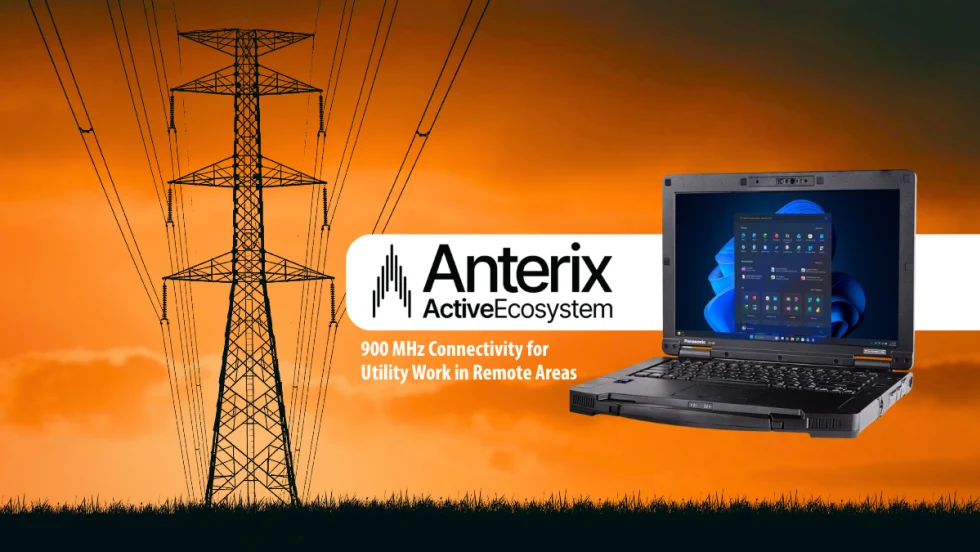
Panasonic Connect & Anterix Strengthen Connectivity Options for Utilities and Field Workers
The Panasonic Connect Toughbook 56 is the first Toughbook to earn the AnterixActive badge, which means it can connect to and operate on Anterix’s 900 MHz network even in the most remote locations.
Read More →
Streamlight Launches Portable Scene Light III & LiteBox 1Million
Streamlight has launched its Portable Scene Light III (PSL III), which delivers up to 10,000 lumens, and the LiteBox 1Million, a long-range search light that delivers one million candela.
Read More →