




Study Links Vehicle Exhaust, Lung Cancer Mortality in Trucking Industry Workers
Study shows that 779 trucking industry deaths out of 4,306 were results of lung cancer.
On Dec. 9, the Air Resources Board (ARB) announced new evidence that trucking industry workers who have had regular exposure to diesel and other types of vehicle exhaust showed an elevated risk of lung cancer with increasing years of work.
The new research reveals that trucking workers with an estimated 20 years on the job had an increased risk of lung cancer; long haul workers, dockworkers, pickup and delivery drivers, and people who worked as both dockworkers and pickup and delivery drivers had an increased risk compared to workers in other job categories, such as clerks and mechanics.
This latest data on the cause of death in trucking industry workers comes from a nationwide long term study, "Lung Cancer and Vehicle Exhaust in Trucking Industry Workers" by E. Garshick and colleagues, which assesses lung cancer deaths by job type in 31,135 Teamsters Union members from 1985 to 2000.
Within the study period there were 4,306 deaths seen in the study group with 779 cases of lung cancer. In addition, it implies that a reduction of diesel particulate matter will have health benefits for the trucking industry and the general public who live, commute, or work near diesel vehicles.
At the December meeting, board members will hear public comments and vote on the Statewide Truck and Bus Regulation. If the regulation is passed, diesel trucker owners will be required to install diesel exhaust filters on their rigs starting in 2010, with nearly all vehicles upgraded by 2014.
For citations and more information on the study, please refer to the following link at www.arb.ca.gov/board/ma/2008/ma121108.htm and to review the evolution of the proposed diesel truck rule, please refer to www.arb.ca.gov/msprog/onrdiesel/onrdiesel.htm
More Small Fleet


Developing Budget-Friendly Driver Safety Programs
From driver training and safety meetings to one-on-one coaching and incentive programs, several small fleets share how they have developed a safety culture with their drivers using low- to no-cost resources.
Read More →
Boosting Last-Mile Fleet Uptime, Safety, and Value with AI Vehicle Inspections
AI-powered inspections are transforming last-mile fleets by replacing manual checks with highly accurate automated scans that detect defects in seconds. By giving fleet operations visibility into the daily condition of their vehicles, you can identify trends over the vehicle’s lifecycle that enable improved procurement decisions, route management, driver training and accountability.
Read More →

Five Ways Seat Belts Help Prevent Injuries
There are five ways seat belts protect occupants from injuries, according to the Tennessee Department of Safety and Homeland Security.
Read More →
Basic Tracking vs Next Generation Fleet Technology
Fleet software is getting more sophisticated and effective than ever, tying big data models together to transform maintenance, safety, and the value of your existing tech stack. Fleet technology upgrades are undoubtedly an investment, but updated technology can offer a much higher return. Read how upgrading your fleet technology can increase the return on your investment.
Read More →
It’s here: The 2026 Fleet Technology Trends Report
What does AI mean for fleets? Get the answer — and learn other top tech trends.
Read More →
Small Fleets, Big Impact: How Independent Drivers Power Wreaths Across America
Check out how small fleets and independent drivers power Wreaths Across America each December and why their impact matters more than ever.
Read More →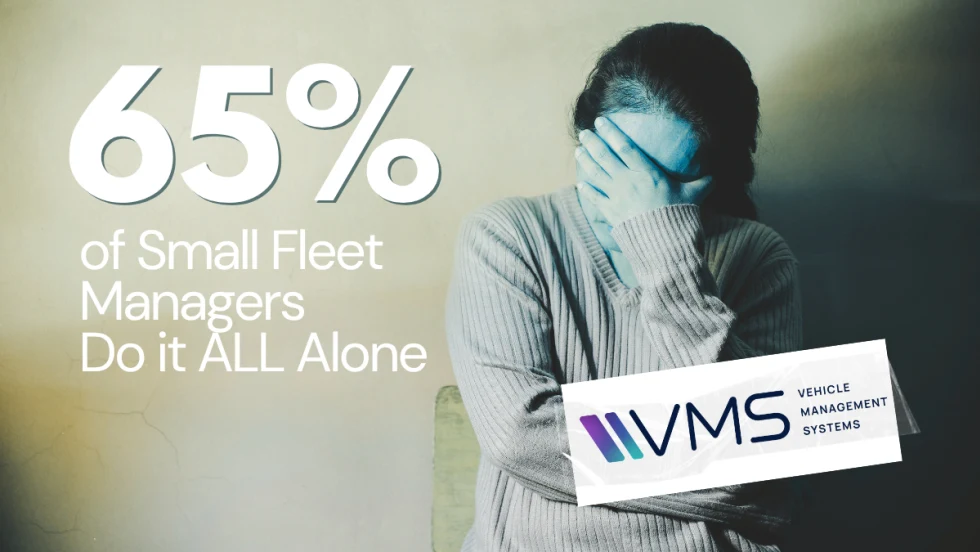
VMS Survey Finds 65% of Small Fleet Managers Run Operations Alone
A new VMS survey shows small fleet managers are stretched thin, with most handling operations solo and eager to adopt digital tools for relief.
Read More →
Tips for Driving Safely on Halloween Night
This video features a reminder from the Connecticut Department of Transportation (DOT) and the Connecticut Police Chiefs Association, urging drivers to prioritize safety this Halloween.
Read More →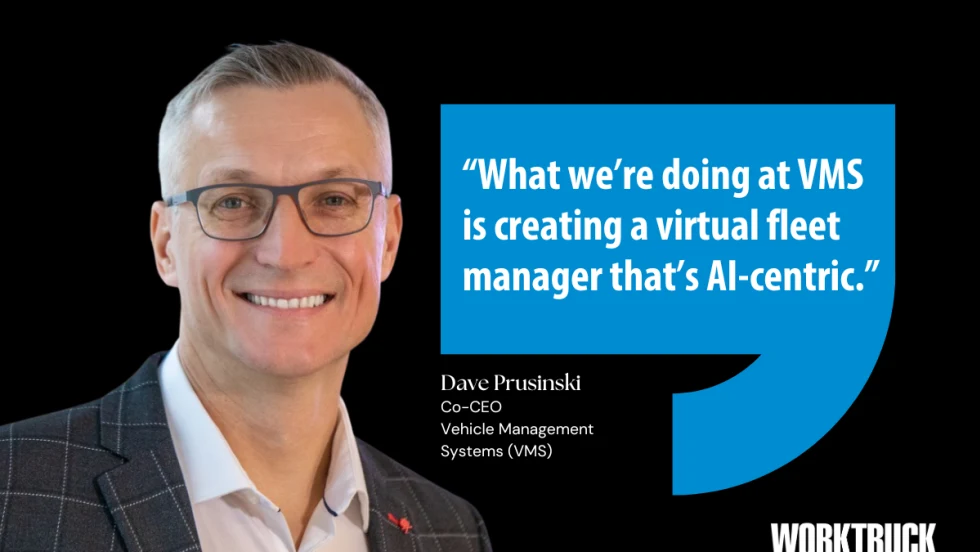
AI, Access, and Uptime: VMS’s Next Chapter with David Prusinski
VMS’s new Co-CEO, David Prusinski, shares how an AI-first approach will give small fleets and repair shops the tools to compete like big players.
Read More →