




Steel's Continued Reinvention
DETROIT - An increasing number of recently published studies about advanced high-strength steel (AHSS) reveal that it has become the lightweight automotive material that best addresses society's need for reduced greenhouse gas emissions, without compromising safety, performance, or affordability.
DETROIT - An increasing number of recently published studies about advanced high-strength steel (AHSS) reveal that it has become the lightweight automotive material that best addresses society's need for reduced greenhouse gas emissions, without compromising safety, performance or affordability, according to Ron Krupitzer, vice president, automotive market, Steel Market Development Institute, a business unit of the American Iron and Steel Institute.
The development ofAHSS grades has been driven by the ever-increasing challenges faced by automakers, such as crash performance requirements, the need to reduce vehicle mass for fuel efficiency and the need to enhance formability to manufacture high-strength parts.
"The advanced grades are relatively new to vehicle design and are significantly different from the conventional steels they replace," Krupitzer said. "The lightweighting capability of AHSS results from their unique combination of strength and ductility. These attributes are developed by creating specific microstructures through precise and tightly controlled steelmaking processes. The results are lightweight automotive designs that are cost effective with low emissions that also provide unmatched safety performance."
Below are some key advantages of AHSS:
Safety and Durability Performance
As shown in WorldAutoSteel's recent FutureSteelVehicle (FSV) study, using today's design optimization tools, a steel body structure with 35 percent weight savings can meet or exceed allsafety requirements.
Steel remains the dominant material for automotive bodies and safety cages.
Consumers value the safety benefits of steel. When asked which automobile components protect them most, the top three choices by consumers were seat belts, steel frames (the steel safety cage) and steel side-impact beams (placed inside car doors to better protect passengers in side-impact collisions).
Sustainability
Steel is recycled more than all other materials on the planet combined, with an extremely high overall recycling rate. Recycling of automotive steel can top 100 percent, as the cars being recycled may be heavier than new models.
Because it is 100 percent recyclable, steel used in today's cars can help automakers reduce the carbon footprint of tomorrow's vehicles.
Automobiles are recycled more than any other consumer product, with nearly 100 percent of vehicles being recycled for their iron and steel content. In 2008, this resulted in more than 14.8 million tons of steel was recovered for reuse from scrapped automobiles.
Life cycle assessment (LCA) is an established method of accounting for total greenhouse gas emissions associated with products like automobiles and determines the carbon footprint of products. Steel is the only material that reduces greenhouse gas emissions in all phases of a vehicle's life: manufacturing; driving; and end-of-life.
LCA shows that steel, which currently makes up about 60 percent of the average North American vehicle, generates fewer emissions than other automotive body materials; therefore, steel-intensive automobiles will continue to be the overall lowest-emitting vehicles on the road.
The use of AHSS reduces a vehicle's structural weight by as much as 25 percent (35 percent with the FSV) and can cut total life cycle CO2 emissions by up to 15 percent more than any other automotive material, according to a WorldAutoSteel LCA study.
Affordability
The Massachusetts Institute of Technology study "Process Cost Modeling: Strategic Engineering-economic Evaluation of Materials Technologies" and related cost models identify alternative materials to be at a significant cost disadvantage for all aspects of the body-in-white manufacturing process. For example:
Optimized steel body structures using AHSS can be constructed at no significant additional cost relative to a conventional body structure.
AISI serves as the voice of the North American steel industry in the public policy arena and advances the case for steel in the marketplace as the preferred material of choice. AISI also plays a lead role in the development and application of new steels and steelmaking technology. AISI is comprised of 25 member companies, including integrated and electric furnace steelmakers, and 124 associate members who are suppliers to or customers of the steel industry. AISI's member companies represent over three quarters of both U.S. and North American steel capacity.
The Steel Market Development Institute (SMDI) grows and maintains the use of steel through strategies that promote cost-effective solutions in the automotive, construction and container markets, as well as for new growth opportunities in emerging steel markets. For more news or information, visit www.autosteel.org or follow us on twitter at www.twitter.com/smdisteel.
SMDI investors include:
AK Steel Corporation
ArcelorMittal Dofasco
ArcelorMittal USA LLC
Nucor Corporation
Severstal North America Inc.
ThyssenKrupp Steel USA, LLC
United States Steel Corporation
More Operations

How Cardless Fuel Payments Benefit Commercial Fleets
Is it time for fleets to move beyond plastic fuel cards? David Abraham of WEX explains how cardless fuel payments can help reduce fraud, simplify driver transactions, and improve efficiency by allowing drivers to pay for fuel using their smartphones.
Read More →
Good Fleet Leadership Starts With the People You Already Have
From developing future leaders to listening to employees, discover how better leadership can help work truck fleets retain talent and build stronger teams.
Read More →
ATRI Names Next President and CEO
Page Siplon, a longtime transportation and logistics industry executive, has been chosen as the next president and CEO of the American Transportation Research Institute (ATRI).
Read More →From Our Partners
Basic Tracking vs Next Generation Fleet Technology
Sponsored by AT&T Business

5 Facts Every Fleet Manager Should Know About Embedded Telematics
Sponsored by Stellantis/Mobilisights
How AI Video Telematics Boosts Driver Safety and Helps to Avoid Unnecessary Costs
Sponsored by Verizon Connect

Charting the 8 Bottom-Line Benefits of Workforce Optimization
Sponsored by Verizon Connect

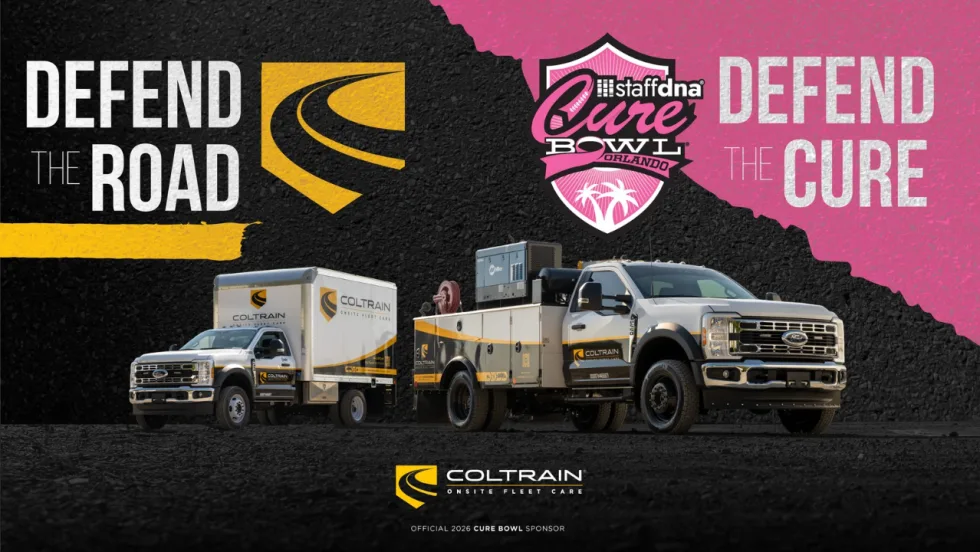
Coltrain Onsite Fleet Care Sponsors 2026 Cure Bowl to Support Cancer Research
The mobile fleet maintenance provider is supporting the annual college football bowl game, which has helped raise $6.83 million for cancer research since 2015.
Read More →
Racing Lessons, Electric Fleet Growth, and Ghostbusters Lead This Week's Work Truck News
Racing lessons for fleets, Republic Services' electric truck expansion, 40 years of fleet wisdom, truck trivia, autonomous yard trucks, and more headline this week's Truck Chat Cheat Sheet.
Read More →
A buyer's guide to fleet management software in 2027
Buying fleet management software in 2027 means looking beyond features and price. As fleet operations, technology and expectations evolve, this guide explores what today’s fleet professionals should consider when choosing a system that can deliver value now and adapt to what comes next.
Read More →
How to Build a Lasting Fleet Career by Staying Curious and Connected
Tina Kourakos never planned on a career in fleet. More than 30 years later, she says curiosity, strong relationships, and a willingness to keep learning helped turn an unexpected assignment into a career spanning fleet management and OEM leadership.
Read More →
Think You Know Trucks? Take Our 19-Question Fleet Trivia Challenge
From chicken lights to diesel engines and trucking history, test your knowledge with 19 questions from the 2026 Work Truck Exchange and Heavy Duty Trucking Exchange.
Read More →
Where’s My Truck: Inside the Fleet Logistics Work Nobody Sees
Shades of Fleet video thumbnail featuring Lauren Fletcher beside the text “The People Behind the Process, Keeping Fleets Moving,” with fleet vehicles and logistics imagery in the background.
Read More →
Work Truck Seeks Fleet and Industry Insights on 2026 Trends and 2027 Forecasts
Work Truck is seeking insights from fleet leaders and industry partners on the trends that shaped 2026 and what commercial fleets should prepare for in 2027. Participate today!
Read More →