




Related: Winter Weather Impacts Truck Tonnage
States Spent $1.1B Maintaining Roads This Winter
Twenty-three States spent around $1.1 billion from October 2014 to mid-April 2015 to pre-treat, plow, or spread chemicals and other materials on roads to keep them open and safe this winter.
by Staff
May 4, 2015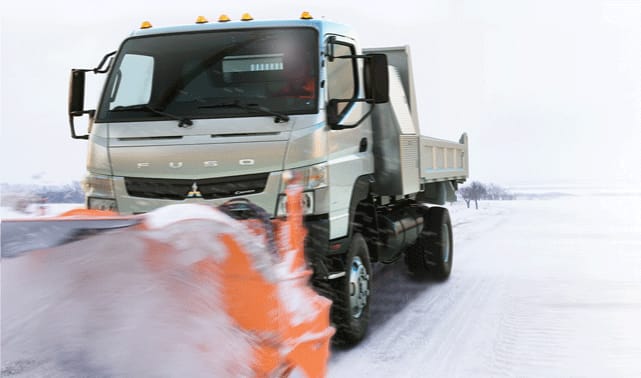
Photo courtesy of Mitsubishi Fuso
2 min to read

Photo courtesy of Mitsubishi Fuso
Twenty-three States spent around $1.1 billion from October 2014 to mid-April 2015 to pre-treat, plow, or spread chemicals and other materials on roads to keep them open and safe this winter. This is according to the Winter Maintenance Operations Survey conducted by the American Association of State Highway Transportation Officials.
The AASHTO report found that state employees and contractors put in 8-million work hours this season. As many as 24,000 state and private snow plows were deployed and about 6-million tons of salt was used during the winter season.
This winter was seen as particularly challenging due to hard-hitting ice storms in southern states and harsh weather in New England. Massachusetts alone reported 31 winter storms with two among the worst storms on record.
“Comparatively speaking, this was an extremely challenging winter season,” said Rick Nelson of AASHTO. “Not only were Eastern states pounded by record-setting snowfall, the winter storms kept coming-- one after the other-- compelling DOTs to keep plows on the road the entire season.”
Maryland used $108 million for this season to address the 35% increase in snow it saw this winter. Connecticut spent $45 million combating the weather’s toll on roads and New Hampshire spent $46 million or 55% of its annual maintenance budget.
"When it comes to winter operations, states are committed to doing what it takes to keep roadways open and safe," said Nelson. "The snow may have disappeared but State DOTs are left with leaner budgets and miles of potholes to repair."
Originally posted on Automotive Fleet
More Operations
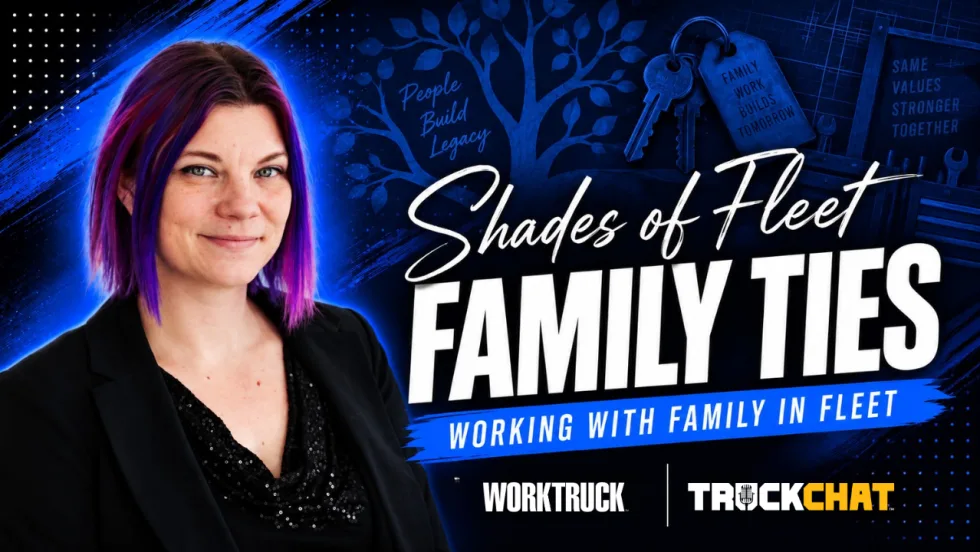
Family Ties Inside the Fleet Families Building Careers Across Generations
Three fleet families share what it really takes to work together, learn across generations, and keep business from following them home.
Read More →
Shades of Fleet Call for Voices: Fleet's Hidden Heroes
Fleet’s hidden heroes are often the ones keeping everything moving behind the scenes. September’s Shades of Fleet is looking for dispatchers, coordinators, parts specialists, and other support pros to share their stories.
Read More →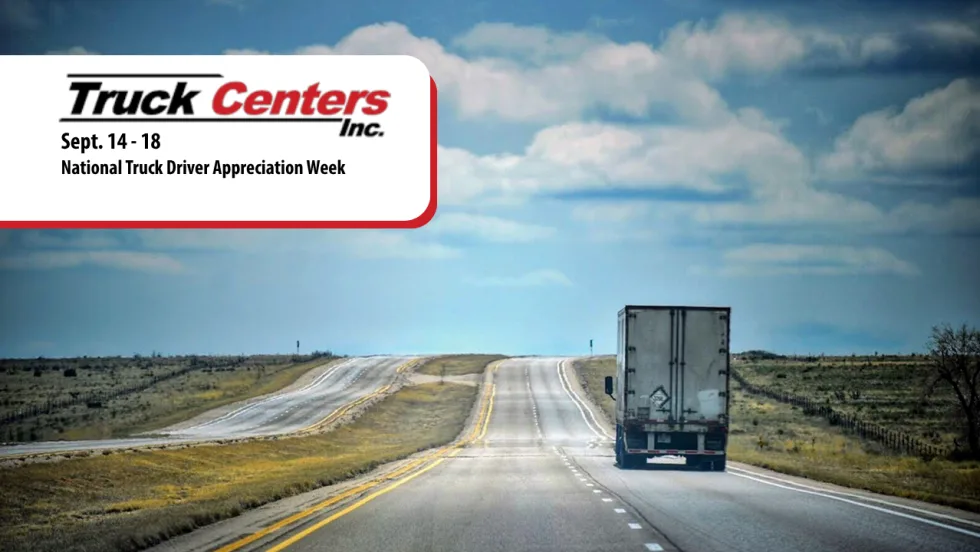
Truck Centers, Inc. Celebrates National Truck Driver Appreciation Week with $1,000 Fuel Card Giveaways
During National Truck Driver Appreciation Week, Truck Centers, Inc. is offering customers a chance to fuel up for free. Customers at all Truck Centers locations can enter to win one of four $1,000 fuel cards from Sept. 14 - 18.
Read More →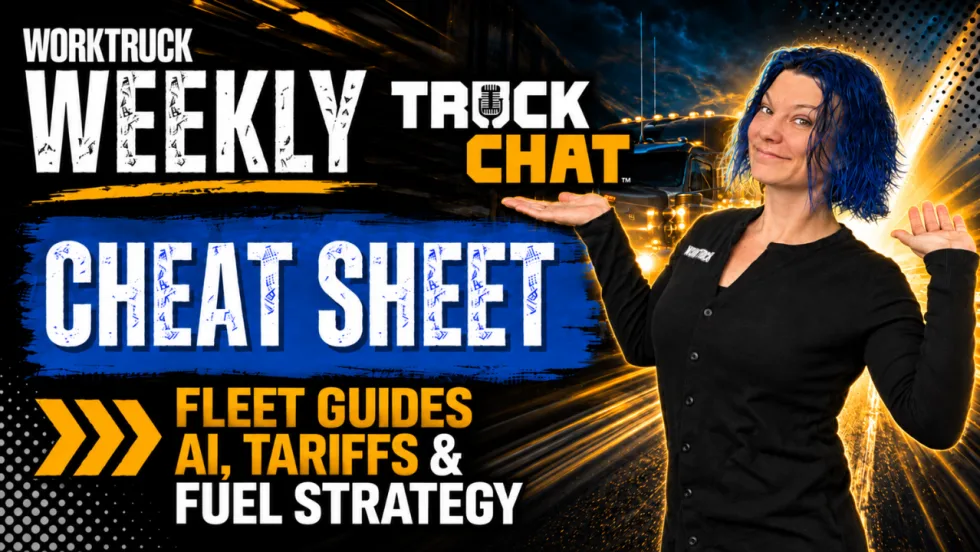
Fleet Guides, AI Time-Savers, Truck Tariffs & Fuel Strategy Lead the News
This week’s Truck Chat Cheat Sheet covers new fleet vehicle guides, practical AI use cases, U.S.-Canada truck production, mixed-energy strategy, and more.
Read More →
What Fleet Employers Are Missing When Hiring Veterans
What if some of the strongest candidates for fleet are already out there, but their experience is written in a language our industry does not always recognize?
Read More →
Automotive Fleet Opens 2026 Personal Use Survey for Commercial Fleet Managers
Less than two weeks left! Commercial and corporate fleet managers are invited to share how their organizations handle company vehicle personal-use policies, charges, and driver eligibility.
Read More →
What Resilient Fleets Do Differently When Conditions Change
Fleet resilience is about more than reacting to disruption. Lauren Fletcher talks with AP Fleet’s Alex Coveney about flexibility, planning, scaling, and what helps fleets adapt when business conditions shift.
Read More →
If We Want the Next Generation in Automotive, We Have to Give Them a Reason to Care
The automotive industry talks constantly about its workforce shortage. But before we can recruit the next generation, we may need to do a better job giving kids a reason to care about automotive in the first place.
Read More →
Ram ProMaster City Under $40K, Truck Tariffs, and AI Maintenance Lead the News
A sub-$40K commercial van, tariff questions, AI-powered maintenance, and a new EV production strategy headline this week’s Truck Chat Cheat Sheet.
Read More →
Bob Adamsky Shares the Fleet Lessons You Usually Learn the Hard Way
After more than 30 years in fleet, Arrow International’s Bob Adamsky has learned that the job is about far more than vehicles. He shares the lessons he wishes every fleet manager could learn a little earlier.
Read More →