




Sentinel Transportation Finds Safety Benefits from Kenworth Trucks
WILMINGTON, DE - Requiring both day cabs and sleepers for multiple applications, Sentinel prefers Kenworth T800s for durability and low-cost operations, and T660s for fuel efficiency and reliable performance.
WILMINGTON, DE - Requiring both day cabs and sleepers for multiple applications, Sentinel prefers Kenworth T800s for durability and low-cost operations, and T660s for fuel efficiency and reliable performance. Using a wide variety of equipment - DOT Code tankers, containers, vans, flatbeds, specialized service vehicles - the company has standardized its fleet as much as possible so that trucks can be moved from location to location, and from application to application.
Sentinel Transportation LLC is a joint venture company between the ConocoPhillips and E.I. DuPont companies providing transportation of chemical and petroleum products. Operating in 48 states and Canada, Sentinel maintains an all-Kenworth fleet of 430 trucks.
Over the years, Sentinel Vice President and Equipment Manager Orville White has purchased millions of dollars of equipment. He's tried just about every make and model of truck there is, including a Kenworth T370 purchased last summer. "Myself, I've purchased 1,400 Kenworth trucks since 1992 and we have yet to break a single frame on a truck," said White. "That's why we've stayed with Kenworth so long: durability and dependability." Kenworth engineering reviews every truck order to help ensure that the right frame is selected for each truck application.
When it comes to equipment, White measures everything to ensure he's getting best-built quality. From 1998 to 2004, he conducted a true side-by-side comparison study between Kenworth and another OEM truck, both spec'd with identical engines operating in identical services. "After about a year, the other truck was doing okay," said White. "But as soon as the repairs started coming in, it became obvious that there was no advantage for us owning that truck."
But, the best reason for owning Kenworth, White said, is driver satisfaction. "In 2004, when we took over the ConocoPhillips crude oil fleet in West Texas, there were about 100 drivers and every one of them was in a hearing program because the trucks they were using were so loud. Once we got them out of those trucks and into Kenworth T800s, it wasn't long before field noise tests allowed us to take the drivers out of the hearing conservation program. Not a single one of those drivers is in a hearing program today thanks to the quietness of the T800 both inside and outside the cab."
All Sentinel trucks, White said, are spec'd for driver comfort, technical superiority and lightweight performance. "We prefer Cummins ISM 330-hp engines in the T800 day cabs, and 350- or 370-hp engines in the sleeper trucks. We spec aluminum air tanks, Dana Spicer(R) E-1202I steer axles, and composite front springs where we can."
Because Kenworth trucks are built for the long haul, Sentinel runs them five, six, sometimes as long as eight years before trade-in. "I can sell Kenworth trucks at a time when no one can sell those other trucks," said White. "People come looking for Kenworths. We're getting two-to-three times more for a well-maintained T800 with a million miles on it over other truck brands that age."
More Operations
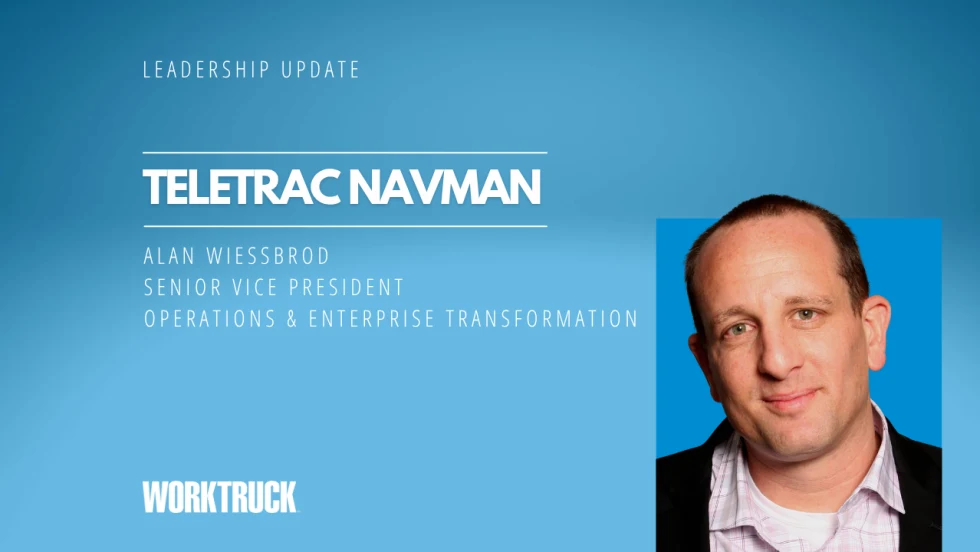
Teletrac Navman Hires SVP of Operations & Enterprise Transformation
Teletrac Navman has appointed Alan Wiessbrod to its senior leadership team as senior vice president, operations and enterprise transformation. The company said he has a strong track record of delivering profitable growth and operational excellence.
Read More →
2027 GM Trucks, Technician Retention, and Fleet Lessons Lead This Week’s News
New GM pickups, technician retention, fleet leadership lessons, winter equipment, and more headline this week’s Truck Chat Weekly Cheat Sheet.
Read More →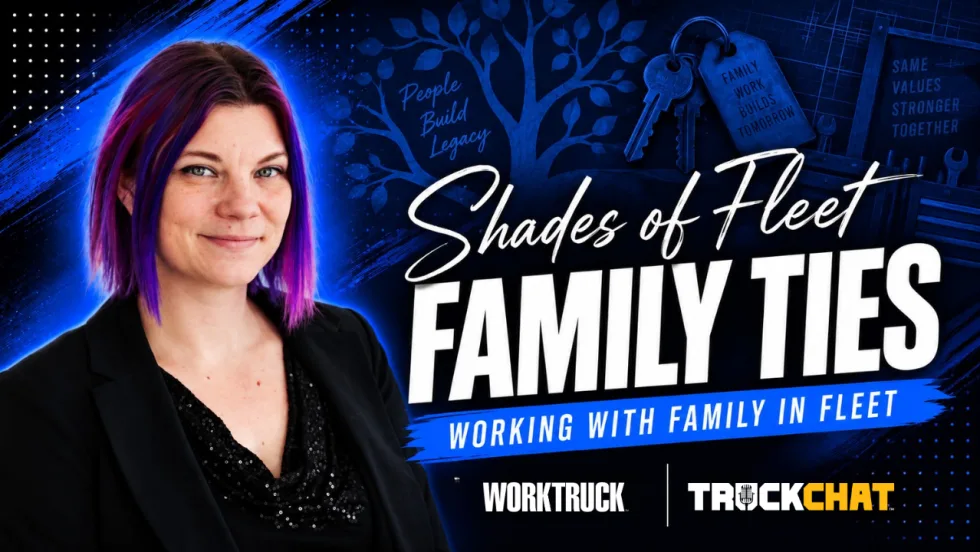
Family Ties Inside the Fleet Families Building Careers Across Generations
Three fleet families share what it really takes to work together, learn across generations, and keep business from following them home.
Read More →From Our Partners




Shades of Fleet Call for Voices: Fleet's Hidden Heroes
Fleet’s hidden heroes are often the ones keeping everything moving behind the scenes. September’s Shades of Fleet is looking for dispatchers, coordinators, parts specialists, and other support pros to share their stories.
Read More →
Truck Centers, Inc. Celebrates National Truck Driver Appreciation Week with $1,000 Fuel Card Giveaways
During National Truck Driver Appreciation Week, Truck Centers, Inc. is offering customers a chance to fuel up for free. Customers at all Truck Centers locations can enter to win one of four $1,000 fuel cards from Sept. 14 - 18.
Read More →
Fleet Guides, AI Time-Savers, Truck Tariffs & Fuel Strategy Lead the News
This week’s Truck Chat Cheat Sheet covers new fleet vehicle guides, practical AI use cases, U.S.-Canada truck production, mixed-energy strategy, and more.
Read More →
What Fleet Employers Are Missing When Hiring Veterans
What if some of the strongest candidates for fleet are already out there, but their experience is written in a language our industry does not always recognize?
Read More →
Teletrac Navman Promotes New CEO from Within
Teletrac Navman’s next CEO, Ricardo Buranello, has served as the company’s chief financial and operating officer. He brings deep financial and operational expertise, a strong strategic orientation, and an intimate knowledge of the business to his new role.
Read More →
Automotive Fleet Opens 2026 Personal Use Survey for Commercial Fleet Managers
Less than two weeks left! Commercial and corporate fleet managers are invited to share how their organizations handle company vehicle personal-use policies, charges, and driver eligibility.
Read More →
What Resilient Fleets Do Differently When Conditions Change
Fleet resilience is about more than reacting to disruption. Lauren Fletcher talks with AP Fleet’s Alex Coveney about flexibility, planning, scaling, and what helps fleets adapt when business conditions shift.
Read More →