




Senators Reintroduce Bipartisan Vehicle Technology Bill
U.S. Senators Gary Peters (D-MI), Lamar Alexander (R-TN), and Debbie Stabenow (D-MI) have announced that they are reintroducing the Vehicle Innovation Act, which is aimed at encouraging investment, research, and development in clean vehicle and advanced safety technologies.
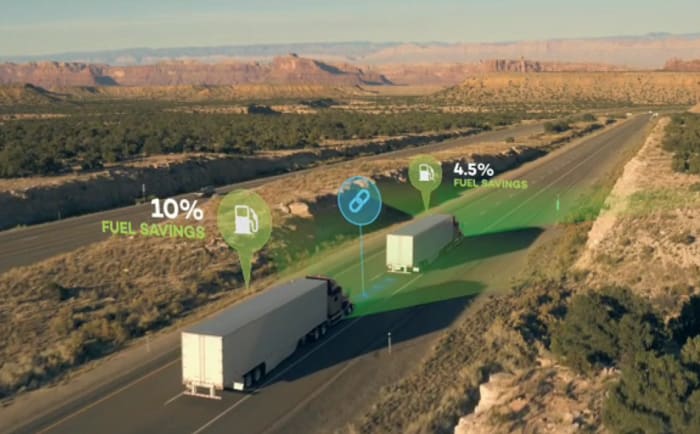
Photo: Peloton

Photo: Peloton
U.S. Senators Gary Peters (D-MI), Lamar Alexander (R-TN), and Debbie Stabenow (D-MI) have announced that they are reintroducing the Vehicle Innovation Act, which is aimed at encouraging investment, research, and development in clean vehicle and advanced safety technologies.
The authors of the bill argue that it could help Americans by increasing vehicle fuel efficiency and reducing our dependence on foreign oil. The three senators introduced similar legislation, the Energy Policy Modernization Act, in 2016, which was approved by the Senate. The House of Representatives then approved a version of that bill that included changes that were not in the Senate version. The changes between the two bills were never resolved so the legislation was never passed
The new Vehicle Innovation Act would strengthen and streamline the Department of Energy’s Vehicle Technologies Office. The Vehicle Technologies Office promotes public-private partnerships to conduct technology-neutral research and development on a range of new technologies to improve fuel efficiency in light-, medium- and heavy-duty vehicles. The bill supports domestic research and development, growing the advanced manufacturing industry in the U.S., and reducing dependence on foreign oil.
“Michigan and the United States are leading the way in developing innovative technologies that will make the next generation of cars and trucks safer and more efficient than ever before,” said Sen. Peters. “This bipartisan bill will help ensure that American manufacturers remain internationally competitive by encouraging the development of cutting-edge clean vehicle technologies that improve fuel efficiency, save consumers money and help support American jobs.”
The legislation would authorize resources for the Vehicle Technology Office to encourage research, including $313.6 million in funding for fiscal-year 2018 with a 4% increase each year through 2022.
The money could be used to advance potential fuel –saving technologies such as vehicle-to-vehicle and vehicle-to-infrastructure communications, hybrids, engine downspeeding, power pack modeling and testing, advanced boosting systems, new vehicle sensing and communication, hydrogen and natural gas refueling, and electric vehicle charging technology.
“The Department of Energy’s research to make cars and trucks more fuel efficient, to improve electric vehicles and batteries and to develop alternative fuels will benefit Tennessee’s auto industry which supports jobs in 86 of our 95 counties,” said Sen. Alexander. “More than one-third of Tennessee manufacturing jobs are auto-related and investment in new vehicle technologies will continue to attract good-paying jobs to Tennessee.”
The Vehicle Innovation Act is supported by a range of lobbying groups, including the Motor and Equipment Manufacturers Association, the UAW, the Auto Alliance, and NTEA.
“NTEA commends Senators Peters, Alexander and Stabenow’s commitment to the motor vehicle industry," said Steve Carey, the association's executive director. "Vocational truck users are at the forefront of integrating advanced technologies and alternative fuels but the future will require greater advances. This legislation will help industry partner with government to accomplish the goals of a cleaner and more efficient work truck industry.”
“The important research and development called for in this legislation supports the necessary activities for more fuel efficient advanced technology components," said MEMA President and CEO Steve Handschuh. "These domestic research and manufacturing activities will improve vehicle fuel efficiency and reduce emissions."
Originally posted on Automotive Fleet
More Operations
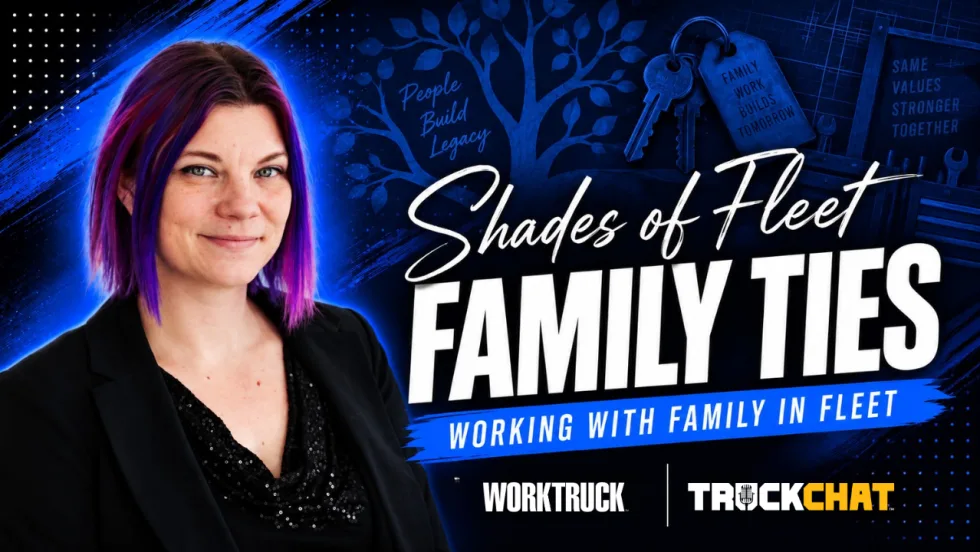
Family Ties Inside the Fleet Families Building Careers Across Generations
Three fleet families share what it really takes to work together, learn across generations, and keep business from following them home.
Read More →
Shades of Fleet Call for Voices: Fleet's Hidden Heroes
Fleet’s hidden heroes are often the ones keeping everything moving behind the scenes. September’s Shades of Fleet is looking for dispatchers, coordinators, parts specialists, and other support pros to share their stories.
Read More →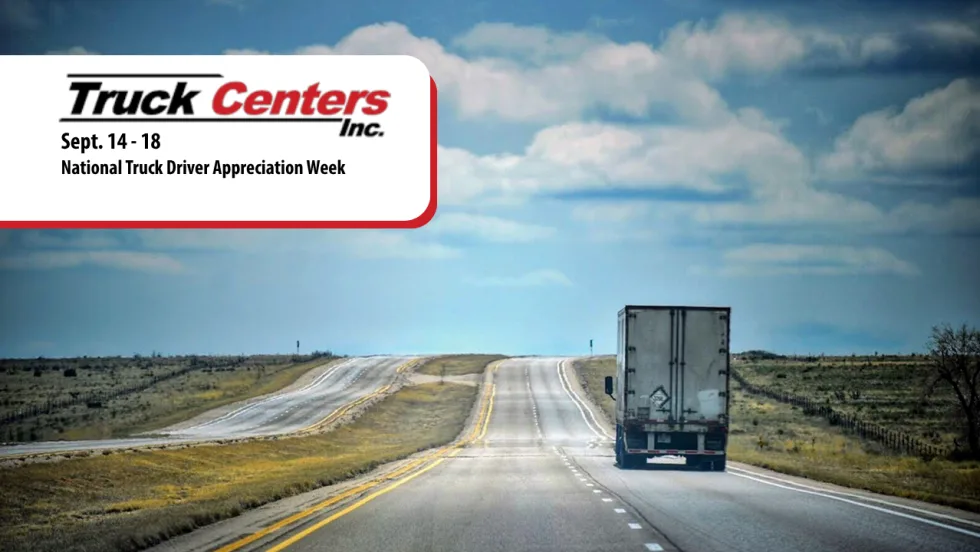
Truck Centers, Inc. Celebrates National Truck Driver Appreciation Week with $1,000 Fuel Card Giveaways
During National Truck Driver Appreciation Week, Truck Centers, Inc. is offering customers a chance to fuel up for free. Customers at all Truck Centers locations can enter to win one of four $1,000 fuel cards from Sept. 14 - 18.
Read More →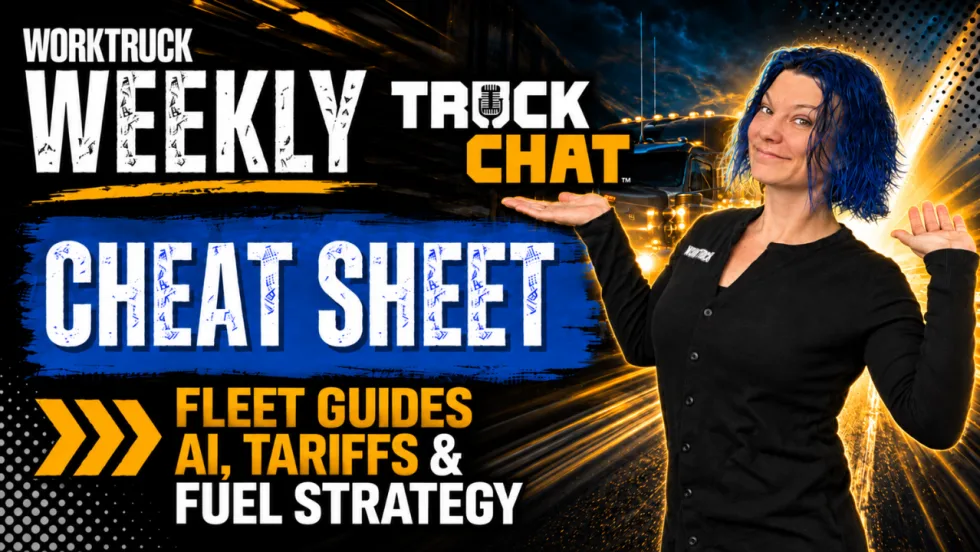
Fleet Guides, AI Time-Savers, Truck Tariffs & Fuel Strategy Lead the News
This week’s Truck Chat Cheat Sheet covers new fleet vehicle guides, practical AI use cases, U.S.-Canada truck production, mixed-energy strategy, and more.
Read More →
What Fleet Employers Are Missing When Hiring Veterans
What if some of the strongest candidates for fleet are already out there, but their experience is written in a language our industry does not always recognize?
Read More →
Automotive Fleet Opens 2026 Personal Use Survey for Commercial Fleet Managers
Less than two weeks left! Commercial and corporate fleet managers are invited to share how their organizations handle company vehicle personal-use policies, charges, and driver eligibility.
Read More →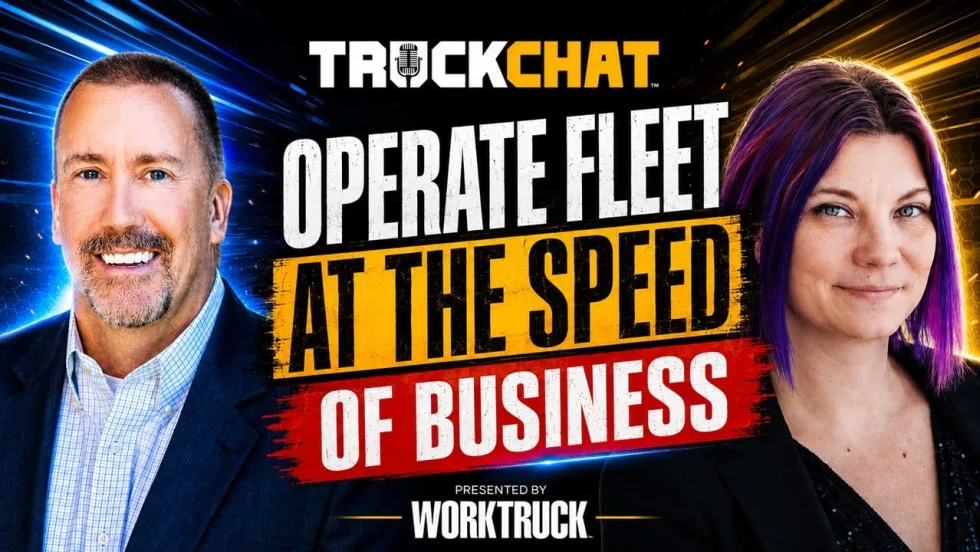
What Resilient Fleets Do Differently When Conditions Change
Fleet resilience is about more than reacting to disruption. Lauren Fletcher talks with AP Fleet’s Alex Coveney about flexibility, planning, scaling, and what helps fleets adapt when business conditions shift.
Read More →
If We Want the Next Generation in Automotive, We Have to Give Them a Reason to Care
The automotive industry talks constantly about its workforce shortage. But before we can recruit the next generation, we may need to do a better job giving kids a reason to care about automotive in the first place.
Read More →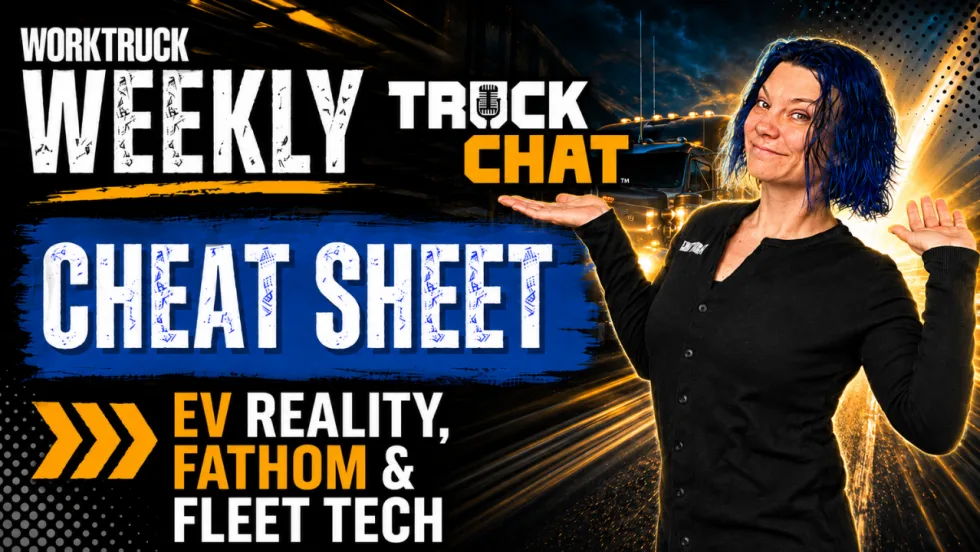
Ram ProMaster City Under $40K, Truck Tariffs, and AI Maintenance Lead the News
A sub-$40K commercial van, tariff questions, AI-powered maintenance, and a new EV production strategy headline this week’s Truck Chat Cheat Sheet.
Read More →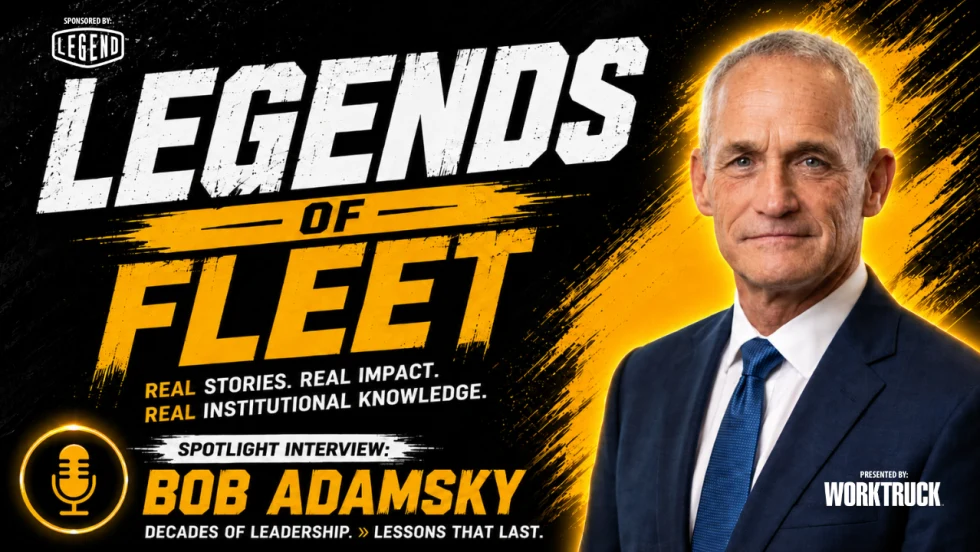
Bob Adamsky Shares the Fleet Lessons You Usually Learn the Hard Way
After more than 30 years in fleet, Arrow International’s Bob Adamsky has learned that the job is about far more than vehicles. He shares the lessons he wishes every fleet manager could learn a little earlier.
Read More →