




Safety Meets High-Tech at the New York Auto Show
Safety has traditionally been viewed by many as the important, but dull, technical, and boring part of the auto industry. That is, until safety met the high-tech world of the computer age. Suddenly, safety is cool. Case in point: the latest mind-blowing safety technology at this year's New York International Automobile Show at the Jacob K. Javits Center from Friday, April 13 to Sunday, April 22. "You just can't believe some of the technological advances that have been made in the auto industry over the last few years, even the last six months," said Auto Show Committee Chair, John LaSorsa. "Technology is about to make the most profound difference ever seen in automotive safety. And it's doing it in some surprisingly cool ways." Here are some of the amazing features available today, or coming soon to a car near you: Adaptive Cruise Control: Already a reality on a number of cars. It's primary purpose is to eventually allow vehicles to "wagon train" on highways-each car being kept a safe distance from the car in front, via automatic braking. Steer-by-Wire: The system operates along the same principles as aircraft that fly-by-wire. There are no mechanical connections between the steering wheel and the steering gear. Ultimately active steering will allow cars to communicate their position to each other and be able to automatically take preventative action to avoid collisions. Lane Departure Warning Systems: A sensitive camera detects the position and direction of a vehicle within a lane. From the information received the system can determine whether an unintended lane departure is imminent, and give a warning. Adjustable Engine Management: Modified engine management software can be automatically downloaded via the satellite navigation system. This interaction can be used to remotely diagnosis and correct engine malfunction. Brake-by-Wire: This braking system uses electronic signals from the brake pedal to communicate with the "high-pressure" brake reservoir. Occupant Detection: Ultrasonic occupant detection ensures that if passengers are positioned too close to the airbag, it will be automatically be disabled, or if the passenger seat is empty, it won't deploy. Eye detection systems which automatically adjust the seat and rear mirror for the best view could also soon be available. Rain Sensor: The rain sensor was originally introduced to provide automatically adjustable intermittent wipers. The development of the system could enable the rain sensors to give instructions to the brake-by-wire system to continuously apply the brakes during wet weather conditions so that the discs stay as dry as possible. Exterior Cameras: "Blind spots" can be a thing of the past with the integration of tiny cameras into doors and mirrors on the sides and rear of the car. Stability Controls: The key to the "intelligent car" is the large number of sensors integral to systems such as the ABS, Dynamic Stability Control, tire pressure monitor, auto cruise control and even automatic wipers. Heartbeat Sensor: Registering both human and animal heartbeats when the car is parked, the sensor is activated if anyone breaks into the car and hides inside it -- or if a child or pet is left inside by mistake. Advanced feature rear-view mirror: Integrated LED lighting, compass and temperature displays, tire-pressure warnings, voice recognition or TRIP functions are a blink of an eye away. "These amazing safety developments are real and on their way to production. Last year, we showed the concepts of infrared 'eyes,' voice activated controls, power adjustable pedals, and vehicle skid control systems. All of them are available today on production vehicles," LaSorsa said. The 2001 New York International Auto Show opens for a special public Sneak Preview on Friday, April 13 from 1:00 - 8:00 p.m. Following the preview, the Show continues from Saturday, April 14 through Sunday, April 22. Prior to the public opening, the Show welcomes media and industry during its annual Press Preview, April 11 and 12.
More Small Fleet


Developing Budget-Friendly Driver Safety Programs
From driver training and safety meetings to one-on-one coaching and incentive programs, several small fleets share how they have developed a safety culture with their drivers using low- to no-cost resources.
Read More →
Boosting Last-Mile Fleet Uptime, Safety, and Value with AI Vehicle Inspections
AI-powered inspections are transforming last-mile fleets by replacing manual checks with highly accurate automated scans that detect defects in seconds. By giving fleet operations visibility into the daily condition of their vehicles, you can identify trends over the vehicle’s lifecycle that enable improved procurement decisions, route management, driver training and accountability.
Read More →
Five Ways Seat Belts Help Prevent Injuries
There are five ways seat belts protect occupants from injuries, according to the Tennessee Department of Safety and Homeland Security.
Read More →
It’s here: The 2026 Fleet Technology Trends Report
What does AI mean for fleets? Get the answer — and learn other top tech trends.
Read More →
Small Fleets, Big Impact: How Independent Drivers Power Wreaths Across America
Check out how small fleets and independent drivers power Wreaths Across America each December and why their impact matters more than ever.
Read More →
VMS Survey Finds 65% of Small Fleet Managers Run Operations Alone
A new VMS survey shows small fleet managers are stretched thin, with most handling operations solo and eager to adopt digital tools for relief.
Read More →
Tips for Driving Safely on Halloween Night
This video features a reminder from the Connecticut Department of Transportation (DOT) and the Connecticut Police Chiefs Association, urging drivers to prioritize safety this Halloween.
Read More →
AI, Access, and Uptime: VMS’s Next Chapter with David Prusinski
VMS’s new Co-CEO, David Prusinski, shares how an AI-first approach will give small fleets and repair shops the tools to compete like big players.
Read More →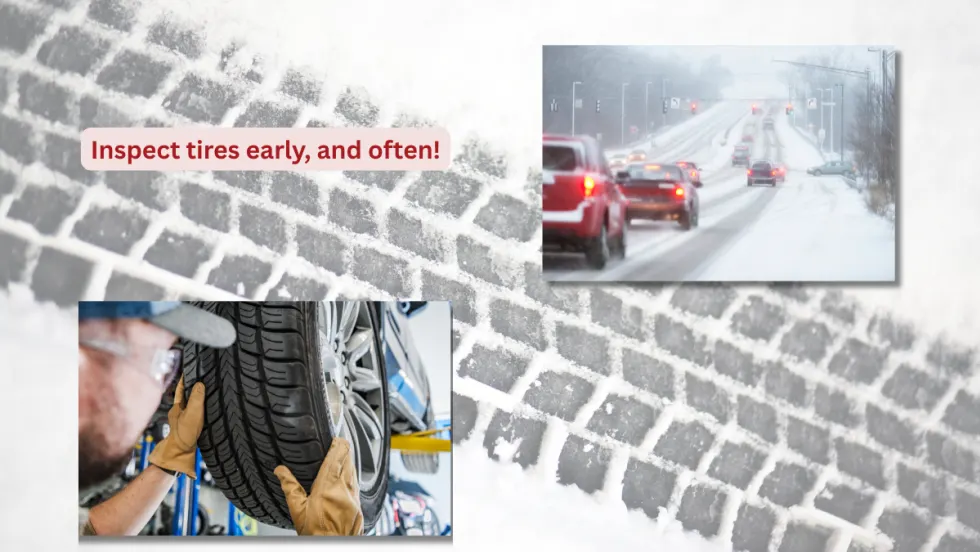
Fleet Managers Share Winter Prep Tips: It's Never Too Early!
Three fleets share best practices to prep vehicles for winter and prevent downtime when the cold sets in.
Read More →