




Safety Features Are Top Priority With Consumers: J.D. Power Report
Safety related features continue to be the most desired among new-vehicle buyers, according to the J.D. Power and Associates 2000 Automotive Feature Contenting Report(SM) released today. Even among SUV owners, the demand for safety features is strong, yet the features they desire are largely unavailable in most SUVs. "Keeping the family safe is a top priority among consumers," said Jacques daCosta, senior manager of product research at J.D. Power and Associates. "One of the factors contributing to strong SUV sales is the perception that a bigger vehicle with a better view of the road is safer. Many new drivers of SUVs say they like the ride height and the better view of the road it affords. However, this high-riding feel does not reduce the owner's desire for safety features." Owners of luxury SUVs posted the strongest desire for night vision, adaptive cruise control and "smart" airbags. These owners are second only to luxury car owners in their demand for brake assist, stability control and proximity sensors -- features that focus on accident avoidance instead of accident survival. "For drivers of all types of vehicles, today's hot features are safety related," daCosta said. "Consumers are definitely concerned with vehicle safety and are willing to pay a reasonable price to have safety related features." The study reveals that almost three out of every four consumers report they want side-impact airbags on their next vehicle, despite the fact that only 20 percent of the vehicles sold in the U.S. are equipped with this technology. Several new features address safety by reducing the risk of an accident under normal driving conditions and by sending emergency services on a moment's notice. These include: *brake assistance, which assists the driver to apply maximum braking power in emergency situations; *adaptive cruise control, which ensures a safe distance is maintained behind other drivers; *electronic concierge systems, such as OnStar, which are operator-assisted navigation and personal assistance systems. "Manufacturers implementing these features are using a holistic approach to safety and are responding better to consumer demand," daCosta said. The report also shows an increased awareness of hybrid drivetrains. The percentage of owners indicating they would like a hybrid gasoline/electric drivetrain in their next vehicle has increased from 20 percent in 1999 to 29 percent in 2000. A long-term trend shown in the Feature Contenting Report is the demand for features that allow better utilization of time spent on the road. Among buyers looking for passenger entertainment systems -- video screens with VCRs, DVDs or video games -- the strongest desire is among SUV and van owners, with 42 percent of full-size SUV owners, 33 percent of luxury SUV owners and 34 percent of compact van owners indicating they want these systems in their next vehicle. In addition, 19 percent of all new-vehicle buyers say they would like an in-car PC in their next vehicle. This feature is especially popular with owners of premium luxury cars and high-end SUVs. A third or more of these vehicle owners report they want the feature on their next vehicle. The report -- fielded with the 2000 Automotive Performance Execution and Layout Study -- examines the desirability of 45 traditional and emerging features in categories of vehicle safety, performance, comfort and convenience. More than 101,000 owners of 2000 and early release 2001 model-year vehicles were asked which features they currently have, which features they want on their next vehicles and how much they are willing to pay for these options. J.D. Power and Associates can be accessed through the Internet at www.jdpa.com.
More Small Fleet
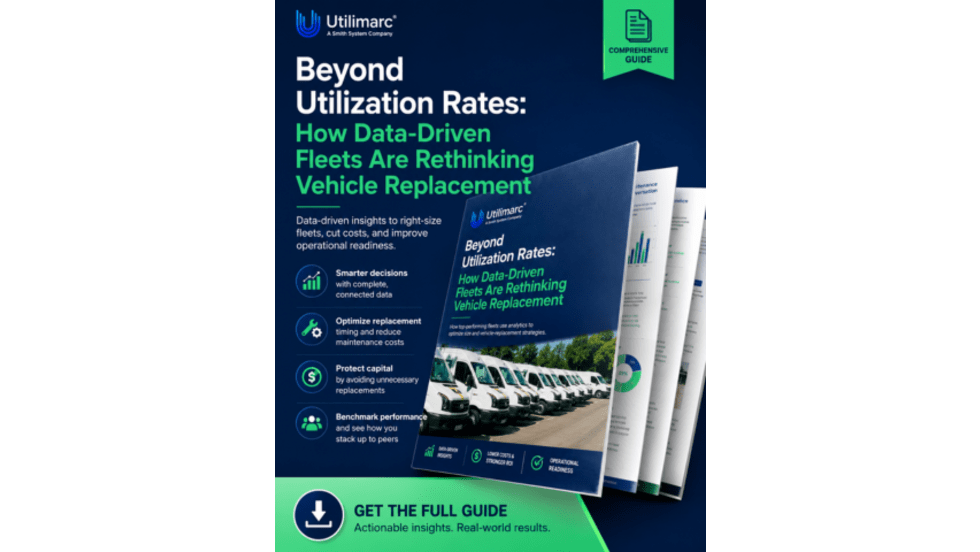
Beyond Utilization Rates: Smarter Fleet Replacement Decisions
Vehicle replacement decisions affect every aspect of fleet performance, from operating costs to asset availability. This guide explores how fleet leaders use integrated data, benchmarking, and lifecycle analytics to determine the right fleet size and optimize replacement timing with greater confidence.
Read More →
Why Fleet Managers Are Replacing Departmental Vehicles with Shared Motor Pools
Departmentally assigned vehicles often create hidden costs through underutilization, poor visibility, and increased administrative burden. This white paper explores how shared motor pool strategies help fleets reduce costs, improve accountability, and optimize vehicle utilization.
Read More →
Boosting Last-Mile Fleet Uptime, Safety, and Value with AI Vehicle Inspections
AI-powered inspections are transforming last-mile fleets by replacing manual checks with highly accurate automated scans that detect defects in seconds. By giving fleet operations visibility into the daily condition of their vehicles, you can identify trends over the vehicle’s lifecycle that enable improved procurement decisions, route management, driver training and accountability.
Read More →
Five Ways Seat Belts Help Prevent Injuries
There are five ways seat belts protect occupants from injuries, according to the Tennessee Department of Safety and Homeland Security.
Read More →
It’s here: The 2026 Fleet Technology Trends Report
What does AI mean for fleets? Get the answer — and learn other top tech trends.
Read More →
Small Fleets, Big Impact: How Independent Drivers Power Wreaths Across America
Check out how small fleets and independent drivers power Wreaths Across America each December and why their impact matters more than ever.
Read More →
VMS Survey Finds 65% of Small Fleet Managers Run Operations Alone
A new VMS survey shows small fleet managers are stretched thin, with most handling operations solo and eager to adopt digital tools for relief.
Read More →
Tips for Driving Safely on Halloween Night
This video features a reminder from the Connecticut Department of Transportation (DOT) and the Connecticut Police Chiefs Association, urging drivers to prioritize safety this Halloween.
Read More →
AI, Access, and Uptime: VMS’s Next Chapter with David Prusinski
VMS’s new Co-CEO, David Prusinski, shares how an AI-first approach will give small fleets and repair shops the tools to compete like big players.
Read More →
Fleet Managers Share Winter Prep Tips: It's Never Too Early!
Three fleets share best practices to prep vehicles for winter and prevent downtime when the cold sets in.
Read More →