




Saab Launches All-New 9-3 Sport Sedan
Automotive Website Just-Auto.com has announced that Saab has unveiled its all-new 9-3 Sport Sedan, saying that the new car "spearheads the arrival of an entirely new family of cars, each focused on meeting the particular requirements of a different niche in the market." Unlike its hatchback predecessor, also built as a convertible, the new car is a four-door sedan with a coupé-like silhouette, steeply raked windscreen and rear window and short front and rear overhangs. According to the company, the new model will be sold in the US with a choice of two new, 2.0-litre, all-aluminum turbocharged engines, developing 175 or 210 hp. The front-wheel-drive range offers three transmissions: five- and six-speed manual or a five-speed automatic with ‘Sentronic’ manual selection and the option of steering wheel controls. Following on from recent revisions to the larger 9-5 line, the 9-3 will be offered in the US with three ‘forms’ or specification levels called Linear, Arc and Vector. Europe will also get a top-line sporty Aero version, said the company. Compared to its predecessor, Saab says the new 9-3 is more spacious, particularly for rear passengers, within the same overall length. Front and rear width is increased by 2.16 in. and the wheelbase is 2.8 in. longer. It is priced to compete with the BMW 3-series, Audi A4, and Volvo S60. Sales are scheduled to start in October 2002. Saab claims that highlights include 'ReAxs' passive rear-wheel-steering, four-link independent rear suspension, low mounted steering rack and MacPherson struts with lower A-arms mounted on a hydroformed, rubber-isolated sub-frame. Chassis features include Saab-tuned ‘user-friendly’ electronic stability control, electronic brake force distribution, cornering brake control and traction control. Hub carriers and toe and lower rear suspension links are aluminum, while anti-roll bars are hollow section steel. The 9-3 has a driver-customize "Profiler" system that allows a wide range of functions to be pre-set according to personal preference including the anti-theft alarm, parking assistance, rain sensitive wipers, and automatic climate control, according to the company. Saab says the 9-3 supports hands-free voice control and calling via a Bluetooth headset, as well as wireless dial-up networking functionality using a Bluetooth PDA or laptop. Of the three US specification levels,"Linear" has an understated interior with leather upholstery and anthracite trim, "Arc" adds more luxury, with 16-inch alloy wheels and leather interior with poplar wood trim while "Vector" has a sporty look with 17-inch alloy wheels and a sports leather interior with matte chrome trim. Saab says an option package for the Linear includes 16" 10-spoke alloy wheels, in-dash 6-CD player, upgraded stereo system, power sunroof and driver's seat, and lower body colour matched trim.
More Small Fleet

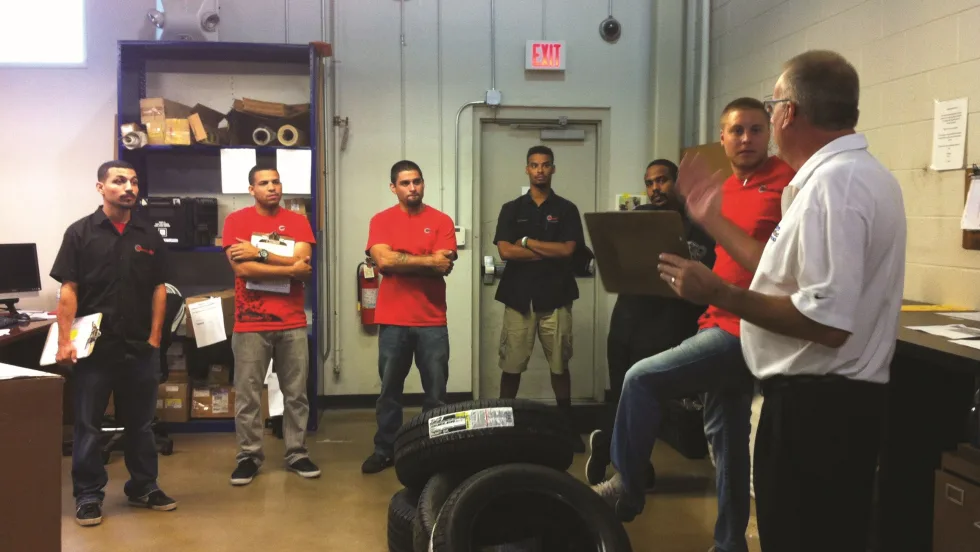
Developing Budget-Friendly Driver Safety Programs
From driver training and safety meetings to one-on-one coaching and incentive programs, several small fleets share how they have developed a safety culture with their drivers using low- to no-cost resources.
Read More →
Boosting Last-Mile Fleet Uptime, Safety, and Value with AI Vehicle Inspections
AI-powered inspections are transforming last-mile fleets by replacing manual checks with highly accurate automated scans that detect defects in seconds. By giving fleet operations visibility into the daily condition of their vehicles, you can identify trends over the vehicle’s lifecycle that enable improved procurement decisions, route management, driver training and accountability.
Read More →

Five Ways Seat Belts Help Prevent Injuries
There are five ways seat belts protect occupants from injuries, according to the Tennessee Department of Safety and Homeland Security.
Read More →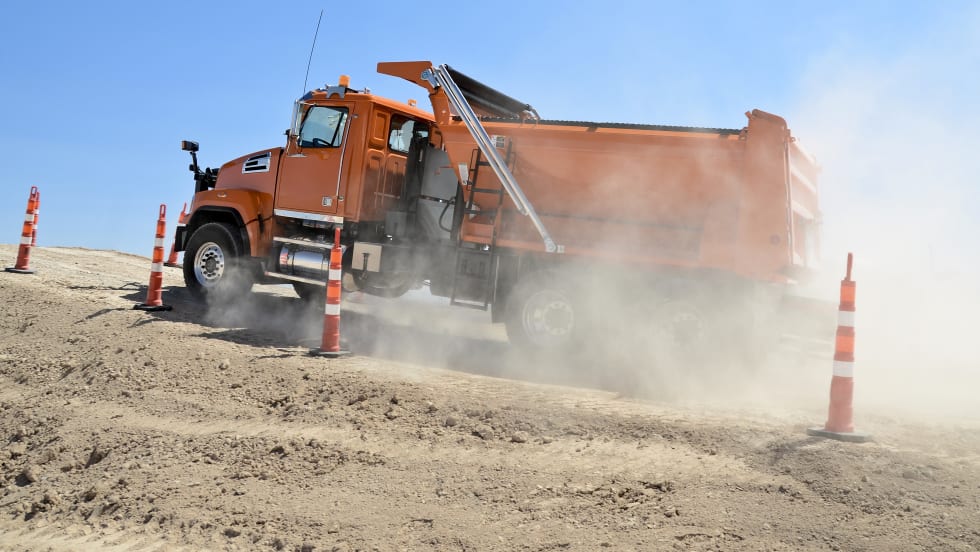
Basic Tracking vs Next Generation Fleet Technology
Fleet software is getting more sophisticated and effective than ever, tying big data models together to transform maintenance, safety, and the value of your existing tech stack. Fleet technology upgrades are undoubtedly an investment, but updated technology can offer a much higher return. Read how upgrading your fleet technology can increase the return on your investment.
Read More →
It’s here: The 2026 Fleet Technology Trends Report
What does AI mean for fleets? Get the answer — and learn other top tech trends.
Read More →
Small Fleets, Big Impact: How Independent Drivers Power Wreaths Across America
Check out how small fleets and independent drivers power Wreaths Across America each December and why their impact matters more than ever.
Read More →
VMS Survey Finds 65% of Small Fleet Managers Run Operations Alone
A new VMS survey shows small fleet managers are stretched thin, with most handling operations solo and eager to adopt digital tools for relief.
Read More →
Tips for Driving Safely on Halloween Night
This video features a reminder from the Connecticut Department of Transportation (DOT) and the Connecticut Police Chiefs Association, urging drivers to prioritize safety this Halloween.
Read More →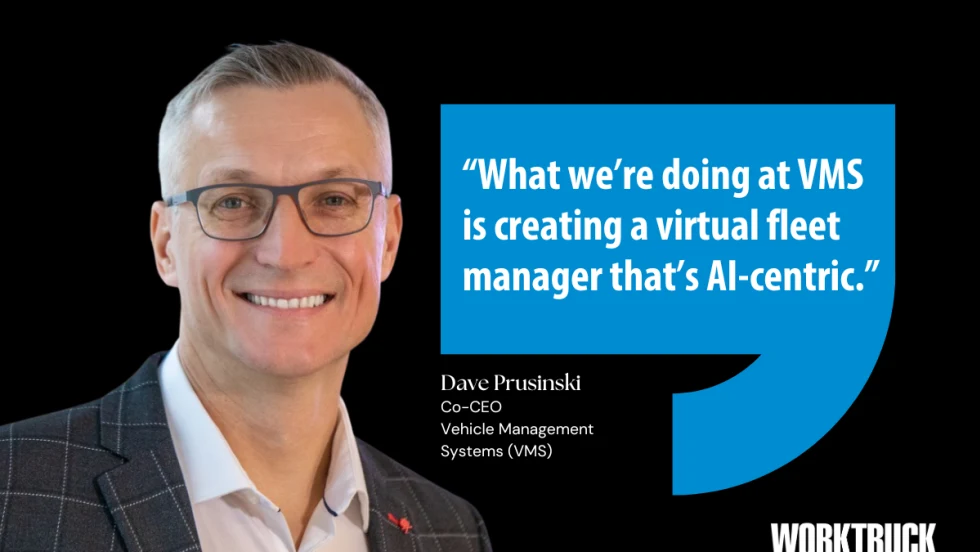
AI, Access, and Uptime: VMS’s Next Chapter with David Prusinski
VMS’s new Co-CEO, David Prusinski, shares how an AI-first approach will give small fleets and repair shops the tools to compete like big players.
Read More →