




Rapid Growth of Ethanol Industry Spurs Controversies
By the end of last year, ethanol-blended gasoline accounted for 46 percent of the nation's fuel supply, according to the Renewable Fuels Association.
Addressing an ethanol industry trade group meeting in Tucson this week, a top Bush administration official pitched new proposals to dramatically boost the use of alternative fuels in the next decade in order to reduce greenhouse gas emissions and the amount oil imported into the U.S., the Arizona Daily Star reports. Stephen Johnson, U.S. Environmental Protection Agency chief, said a proposal would require the country to use 35 billion gallons a year of alternative fuels by 2017, compared with 6 million gallons today. Gasoline use would have to be cut by 20 percent in the same period. But across the country, the ethanol boom has created controversies: whether it produces enough energy compared with what it takes to make it, how much it cuts air pollution and greenhouse gases, and its effect on consumers' corn prices. Last year, the U.S. ethanol industry produced a record 4.9 billion gallons, opened 15 new "biorefineries" to produce more of the corn-based fuel and began construction of 50 more, the head of the Renewable Fuels Association trade group told the gathering, which his group sponsored. Typically, E85 pump prices are a few pennies a gallon less than regular gasoline, due to a federal tax incentive that amounts to a 51-cent-per-gallon subsidy aimed at promoting renewable fuel supplies, according to the Arizona Daily Star. But a study by a University of California scientist found that it takes 29 percent more energy to produce ethanol than the amount of fuel produced. However, several other studies have found gains of 25 percent to 50 percent in energy supply due to ethanol. Ethanol also is criticized because the corn used to produce it requires fertilizers and pesticides that can leach into groundwater, lakes and streams. Also, last year Consumer Reports tested a Chevrolet Tahoe SUV that ran on ethanol and found its fuel economy was poor—only 10 miles per gallon. Federal proposals to boost ethanol and other renewable-fuel use will significantly reduce carbon monoxide, benzene and hydrocarbons emitted from cars, although polluting, ozone-forming compound emissions would increase slightly, according to the EPA. But a University of Minnesota study said producing ethanol from corn saves only 12 percent of the greenhouse gases produced by gasoline use.
More Small Fleet


Developing Budget-Friendly Driver Safety Programs
From driver training and safety meetings to one-on-one coaching and incentive programs, several small fleets share how they have developed a safety culture with their drivers using low- to no-cost resources.
Read More →
Boosting Last-Mile Fleet Uptime, Safety, and Value with AI Vehicle Inspections
AI-powered inspections are transforming last-mile fleets by replacing manual checks with highly accurate automated scans that detect defects in seconds. By giving fleet operations visibility into the daily condition of their vehicles, you can identify trends over the vehicle’s lifecycle that enable improved procurement decisions, route management, driver training and accountability.
Read More →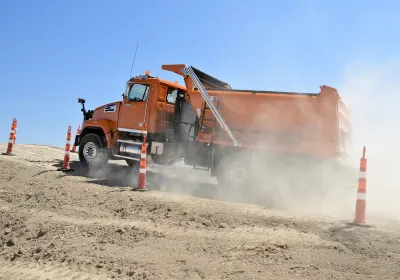

Five Ways Seat Belts Help Prevent Injuries
There are five ways seat belts protect occupants from injuries, according to the Tennessee Department of Safety and Homeland Security.
Read More →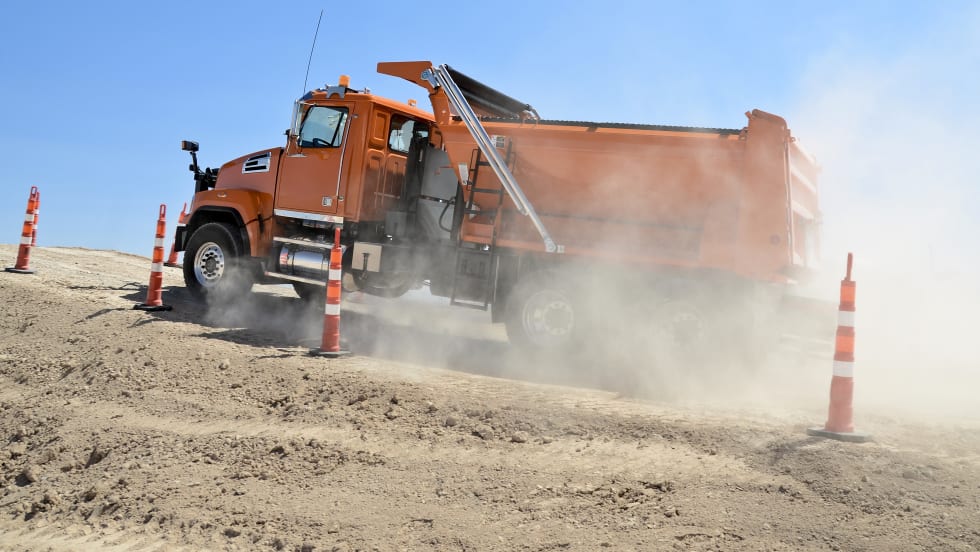
Basic Tracking vs Next Generation Fleet Technology
Fleet software is getting more sophisticated and effective than ever, tying big data models together to transform maintenance, safety, and the value of your existing tech stack. Fleet technology upgrades are undoubtedly an investment, but updated technology can offer a much higher return. Read how upgrading your fleet technology can increase the return on your investment.
Read More →
It’s here: The 2026 Fleet Technology Trends Report
What does AI mean for fleets? Get the answer — and learn other top tech trends.
Read More →
Small Fleets, Big Impact: How Independent Drivers Power Wreaths Across America
Check out how small fleets and independent drivers power Wreaths Across America each December and why their impact matters more than ever.
Read More →
VMS Survey Finds 65% of Small Fleet Managers Run Operations Alone
A new VMS survey shows small fleet managers are stretched thin, with most handling operations solo and eager to adopt digital tools for relief.
Read More →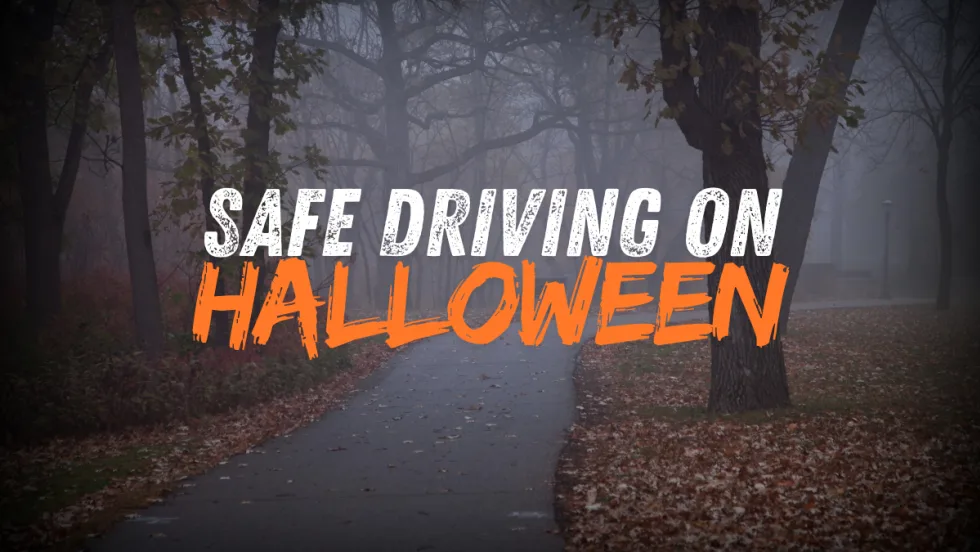
Tips for Driving Safely on Halloween Night
This video features a reminder from the Connecticut Department of Transportation (DOT) and the Connecticut Police Chiefs Association, urging drivers to prioritize safety this Halloween.
Read More →
AI, Access, and Uptime: VMS’s Next Chapter with David Prusinski
VMS’s new Co-CEO, David Prusinski, shares how an AI-first approach will give small fleets and repair shops the tools to compete like big players.
Read More →