




Paul Ryan: Highway Bill Takes Backseat to Tax Reform
Rep. Paul Ryan (R-WI), Chairman of the powerful Ways and Means Committee, has strongly indicated that there’s no way around applying another short-term patch to keep the Highway Trust Fund solvent.

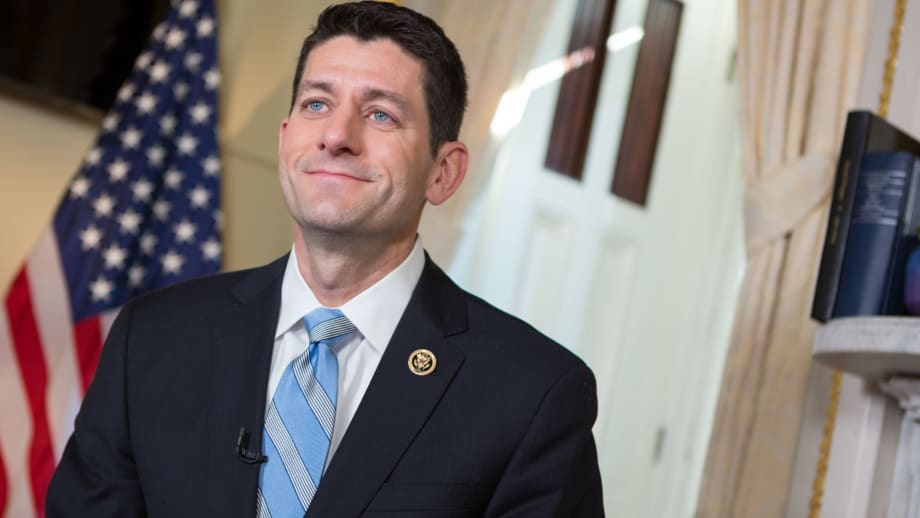
Rep. Paul Ryan, Chairman of the House Ways and Means Committee. Photo: speaker.gov
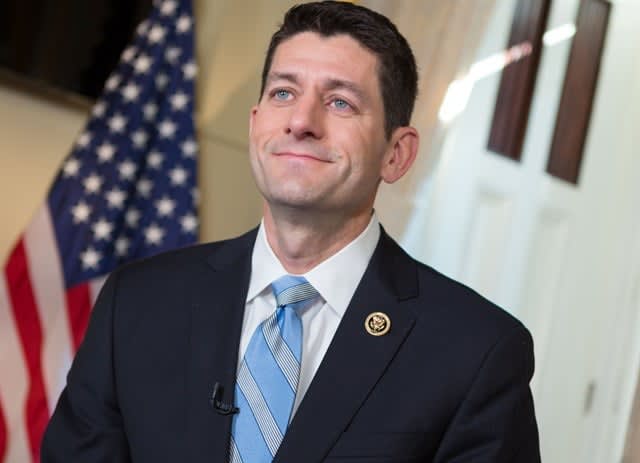
Rep. Paul Ryan, Chairman of the House Ways and Means Committee. Photo: speaker.gov
Rep. Paul Ryan (R-WI), Chairman of the powerful Ways and Means Committee, has strongly indicated that there’s no way around applying another short-term patch to keep the Highway Trust Fund solvent.
Speaking at a Christian Science Monitor media event on Thursday, Rep. Ryan said that there just isn’t enough time left before the current highway funding bill expires on May 31 to make the reform of corporate taxes to the degree he is seeking part of the package.
Both Ryan and President Obama favor repatriation— using revenue from taxing corporate profits earned overseas to help ensure long-term funding of surface-transportation infrastructure investments.
Ryan explained that he is aiming to achieve “limited” tax reform this year, mostly related to the corporate tax rate, according to a report posted by The Monitor. Ryan said if that is accomplished, it will amount to a “down payment” on completing more extensive tax reform in 2017—that is, if the GOP takes the White House in the next election.
Meanwhile, the House Appropriations Committee has released its draft of the 2016 THUD (Transportation, Housing and Urban Development) funding bill. The measure, which falls far short of the funding level sought by the White House, would provide over $40.25 billion from the Highway Trust Fund to be spent on the Federal-aid Highways Program.
“This [amount] is equal to the fiscal year 2015 level,” stated a press release issued by the Committee’s majority. The statement also noted for the record that “this funding is contingent on the enactment of new transportation authorization legislation, as the current authorization expires this year.”
That level of funding should disappoint highway advocates. But trucking interests should welcome other elements of the package as now marked up.
For starters, the 2016 fiscal bill would not only keep the current suspension of the 34-hour restart provisions of the Hours of Service rule in effect until the Federal Motor Carrier Safety Administration completes its required study of that rule change.
The kicker is that THUD 2016 would also only revoke the rule suspension if FMCSA’s impact report shows that “drivers who operated under the restart provisions… demonstrated statistically significant improvement in all outcomes related to safety, operator fatigue, driver health and longevity and work schedules” vs. drivers who had run under the rules in place before the 2013 change.
The bill would also prevent FMCSA from further pursuing a rulemaking to up the liability insurance required of motor carriers above the current $750,000 minimum amount.
But wait, there’s more.
Another provision would allow the use of 33-ft doubles trailers and yet another prevent FMCSA from conducting roadside inspections wirelessly until the agency can demonstrate to Congress that doing so wouldn’t “conflict with existing non-federal electronic screening systems.”
Originally posted on Automotive Fleet
More Operations
Family Ties Inside the Fleet Families Building Careers Across Generations
Three fleet families share what it really takes to work together, learn across generations, and keep business from following them home.
Read More →
Shades of Fleet Call for Voices: Fleet's Hidden Heroes
Fleet’s hidden heroes are often the ones keeping everything moving behind the scenes. September’s Shades of Fleet is looking for dispatchers, coordinators, parts specialists, and other support pros to share their stories.
Read More →
Truck Centers, Inc. Celebrates National Truck Driver Appreciation Week with $1,000 Fuel Card Giveaways
During National Truck Driver Appreciation Week, Truck Centers, Inc. is offering customers a chance to fuel up for free. Customers at all Truck Centers locations can enter to win one of four $1,000 fuel cards from Sept. 14 - 18.
Read More →
Fleet Guides, AI Time-Savers, Truck Tariffs & Fuel Strategy Lead the News
This week’s Truck Chat Cheat Sheet covers new fleet vehicle guides, practical AI use cases, U.S.-Canada truck production, mixed-energy strategy, and more.
Read More →
What Fleet Employers Are Missing When Hiring Veterans
What if some of the strongest candidates for fleet are already out there, but their experience is written in a language our industry does not always recognize?
Read More →
Automotive Fleet Opens 2026 Personal Use Survey for Commercial Fleet Managers
Less than two weeks left! Commercial and corporate fleet managers are invited to share how their organizations handle company vehicle personal-use policies, charges, and driver eligibility.
Read More →
What Resilient Fleets Do Differently When Conditions Change
Fleet resilience is about more than reacting to disruption. Lauren Fletcher talks with AP Fleet’s Alex Coveney about flexibility, planning, scaling, and what helps fleets adapt when business conditions shift.
Read More →
If We Want the Next Generation in Automotive, We Have to Give Them a Reason to Care
The automotive industry talks constantly about its workforce shortage. But before we can recruit the next generation, we may need to do a better job giving kids a reason to care about automotive in the first place.
Read More →
Ram ProMaster City Under $40K, Truck Tariffs, and AI Maintenance Lead the News
A sub-$40K commercial van, tariff questions, AI-powered maintenance, and a new EV production strategy headline this week’s Truck Chat Cheat Sheet.
Read More →
Bob Adamsky Shares the Fleet Lessons You Usually Learn the Hard Way
After more than 30 years in fleet, Arrow International’s Bob Adamsky has learned that the job is about far more than vehicles. He shares the lessons he wishes every fleet manager could learn a little earlier.
Read More →