




OSHA’s New Fall and Arc-flash Protection Rule Starts April 1
The Occupational Safety and Health Administration (OSHA) has modified its standards for electric power generation, transmission, and distribution work, including rules regarding fall-protection.
The Occupational Safety and Health Administration (OSHA) has modified its standards for electric power generation, transmission, and distribution work, including rules regarding fall-protection. The new rules go into effect April 1.
The last issued rules for the construction of transmission and distribution installations came in 1972. The provisions were out of date and inconsistent with a recent industry standard. OSHA has revised the construction standard to make it more consistent with the general industry standard and made some revisions to construction and general industry requirements to enhance worker safety, according to the agency.
The final rule will prevent approximately 20 fatalities and 118 serious injuries annually in addition to the fatalities and injuries already prevented by the existing construction and general industry standards. The revised section (§1910.269 and Subpart V) went into effect on July 10, 2014. The compliance deadline for some provisions on fall protection, minimum approach-distances, and arc-flash protection is April 1.
Fall-protection is one of the ruling's focal points. The standard requires one of three types of fall protection:
Personal fall arrest system: A system used to arrest an employee in a fall from a working level.
Fall restraint system: A fall protection system that prevents the user from falling any distance.
Work-positioning equipment: A body belt or body harness system rigged to allow an employee to be supported on an elevated vertical surface, such as a utility pole or tower leg, and work with both hands free while leaning.
The standard also requires employers to protect an employee working from an aerial lift using either a personal fall arrest system or a fall restraint system. Employees working at heights of more than 1.2 meters (4 feet) on a pole, tower, or similar structure must be protected with a personal fall arrest system, work-positioning equipment, a fall restraint system or other fall protection meeting Subpart D of OSHA's general industry standards or Subpart M of OSHA’s construction standards, as applicable. For example, a guardrail system.
Starting April 1, the standards require qualified employees climbing or changing location on poles, towers, or similar structures to use fall protection, unless the employer can demonstrate that climbing or changing location with fall protection is infeasible or would create a greater hazard than climbing or changing location without it. (Note that “climbing” includes going up or down the pole, tower, or other structure.)
Other important provisions of the standards include arc-flash protection, minimum approach-distance, and information-transfer (host-contractor).
In order to comply with the new ruling, electric utilities will be donating to linemen overseas some of their personal protective equipment to comply with the new OSHA 1910-269 ruling mandating FR-rated wood pole fall protection. Field crews overseas often don't have access to the life-saving equipment. As a result, linemen have fallen out of buckets during normal working procedures overseas. American utility companies are working to help prevent these accidents.
More Utility Fleet
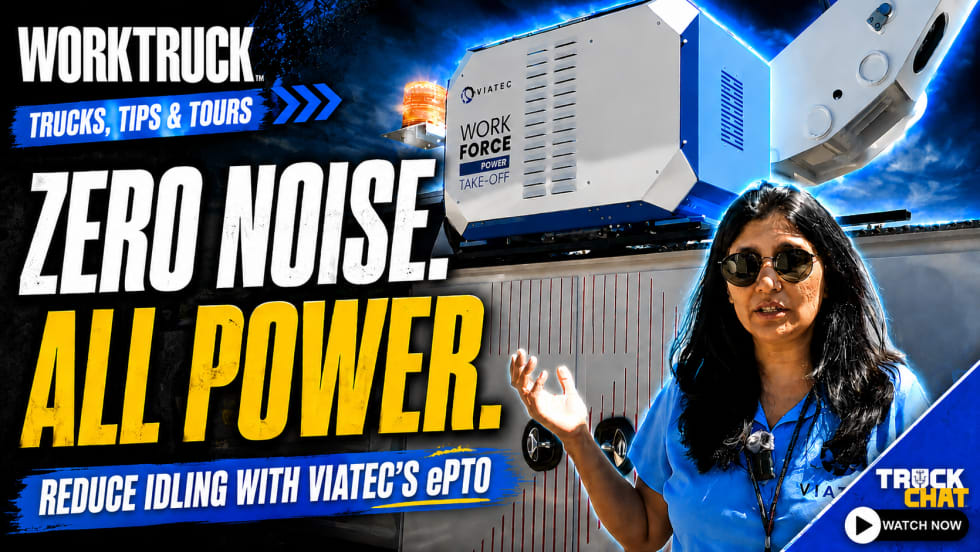
Reduce Noise & Idling with Viatec’s ePTO
Viatec's Workforce ePTO lets utility trucks power booms, outriggers, and auxiliary equipment using battery power instead of idling the engine. Learn how this technology helps reduce fuel use, noise, engine wear, and emissions while improving operator comfort.
Read More →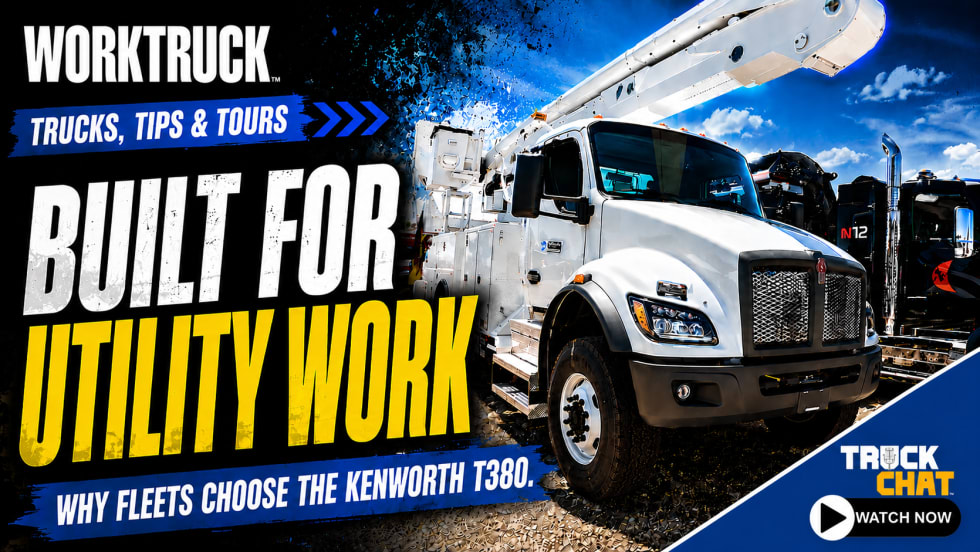
Why Utility Fleets Choose the Kenworth T380
The Kenworth T380 is engineered for utility fleets with custom chassis layouts, optimized frame rails, 4x4 capability, and improved driver visibility. See how its design helps maximize upfit flexibility and field performance.
Read More →
PALFINGER PB 38 AT P: Purpose-Built for Telecom Fleets
Purpose-built for telecommunications crews, the PALFINGER PB 38 ATP combines a 43-foot working height, flexible basket stowage, integrated cameras, and operator communication systems to improve productivity and safety during fiber and overhead cable installation.
Read More →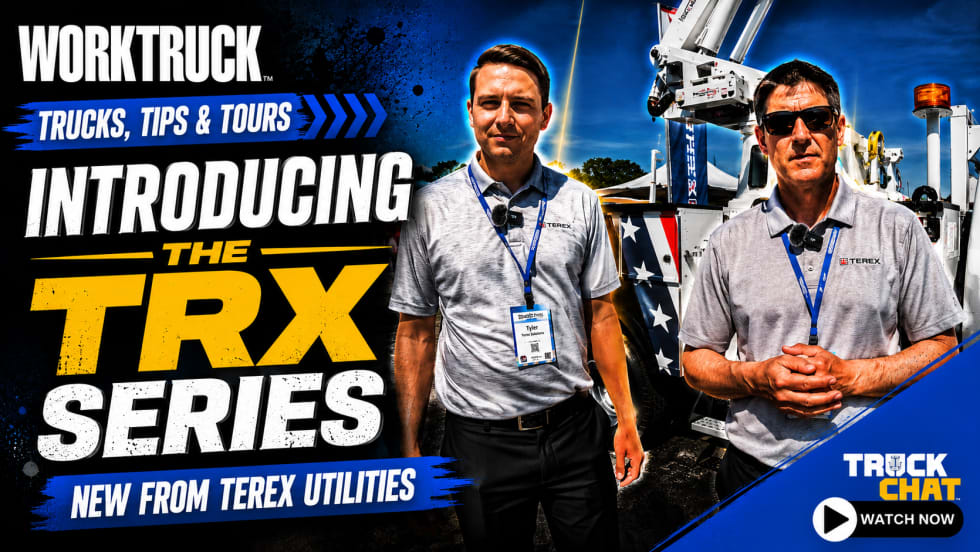
Inside Terex Utilities' Latest Work Truck Innovations
Terex Utilities is advancing utility fleet operations with its new TRX aerial platforms, Flex Pro controls, and AI-powered 3rd Eye safety technology. See how these innovations are helping fleets work safer, smarter, and more productively.
Read More →
Walkaround of International MV607 Digger Derrick
The International MV607 combines advanced safety technologies, excellent visibility, vocational flexibility, and seamless body integration to create a powerful platform for utility fleet operations. Take a closer look at this Altec digger derrick configuration from EUFMC.
Read More →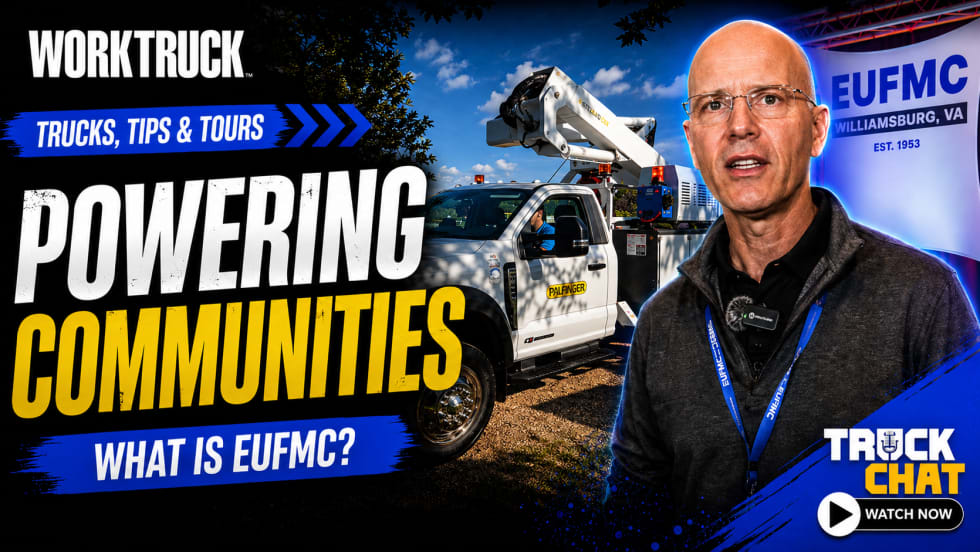
Inside the Electric Utility Fleet Managers Conference
What is EUFMC? For more than seven decades, the Electric Utility Fleet Managers Conference has served as a hub for collaboration, education, and innovation within the utility fleet industry. In this video, Work Truck talks to EUFMC President Greg Loew to learn more.
Read More →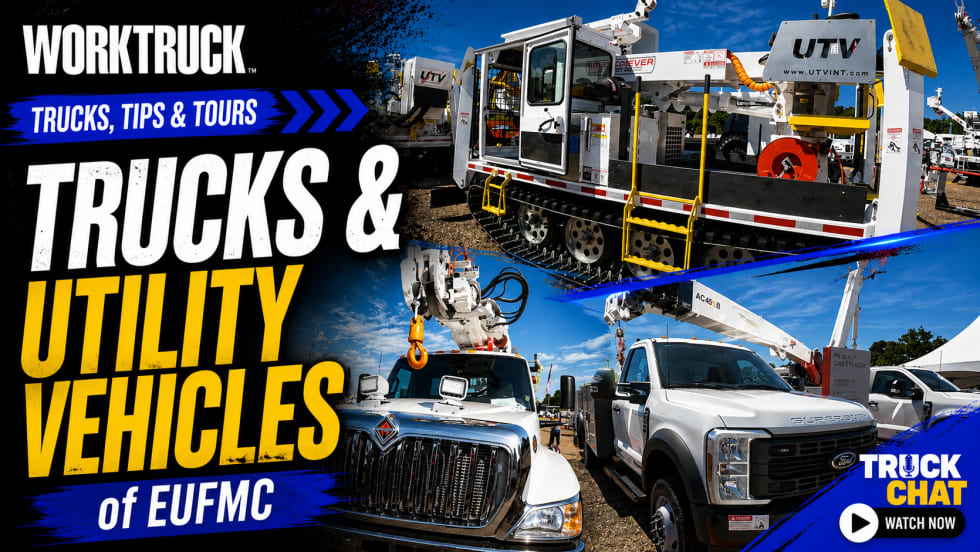
Inside the EUFMC Equipment Expo & Drive-Through
Follow Work Truck as we check out the trucks and other vehicles that were showcased at the Electric Utility Fleet Managers Conference in Williamsburg, Virginia. Whether looking for something on tires or treads, it was there for fleet managers to see.
Read More →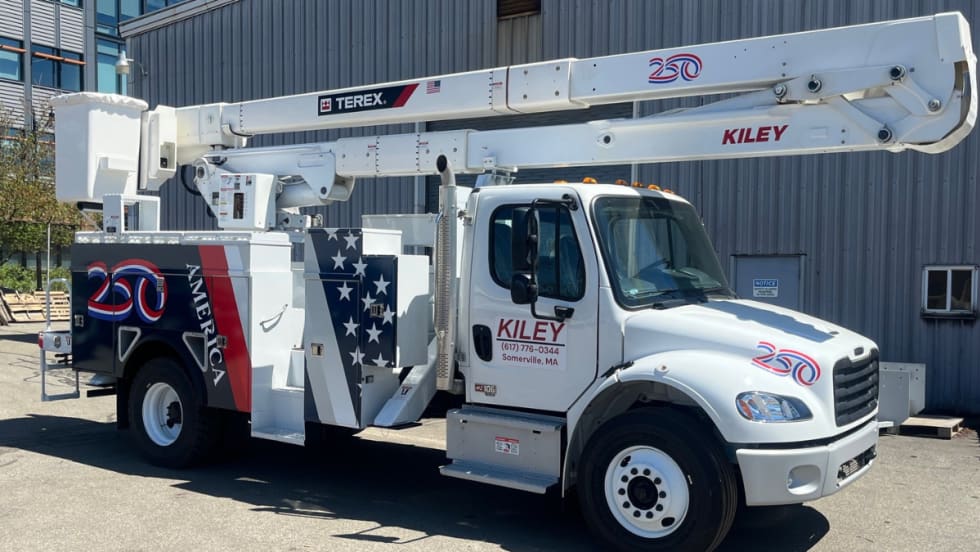
Terex Utilities & Kiley Unveil Custom America 250 Bucket Trucks at EUFMC 2026
Terex Utilities showcased a patriotic spirit in its booth this week during the Electric Utility Fleet Managers Conference in Williamsburg, Virginia, by debuting two custom-wrapped bucket trucks celebrating America’s upcoming 250th anniversary.
Read More →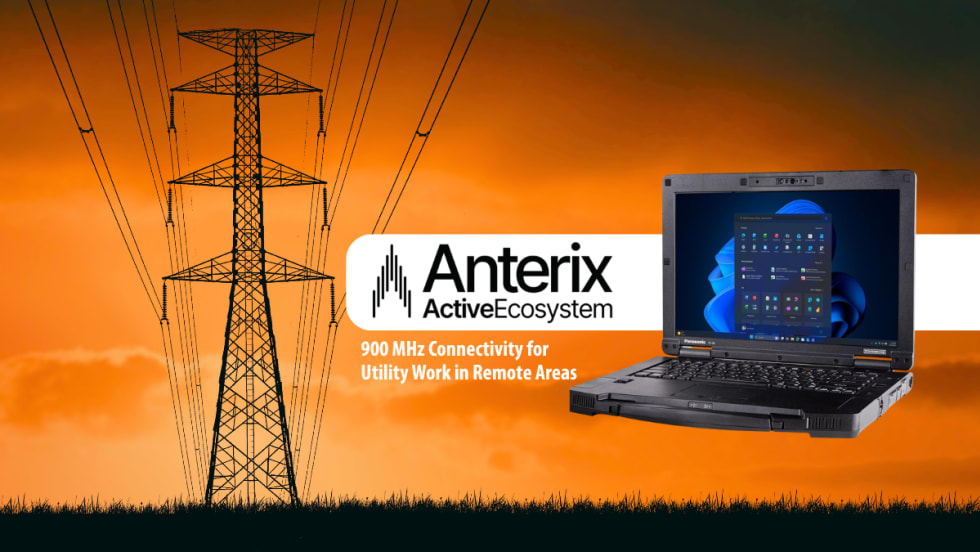
Panasonic Connect & Anterix Strengthen Connectivity Options for Utilities and Field Workers
The Panasonic Connect Toughbook 56 is the first Toughbook to earn the AnterixActive badge, which means it can connect to and operate on Anterix’s 900 MHz network even in the most remote locations.
Read More →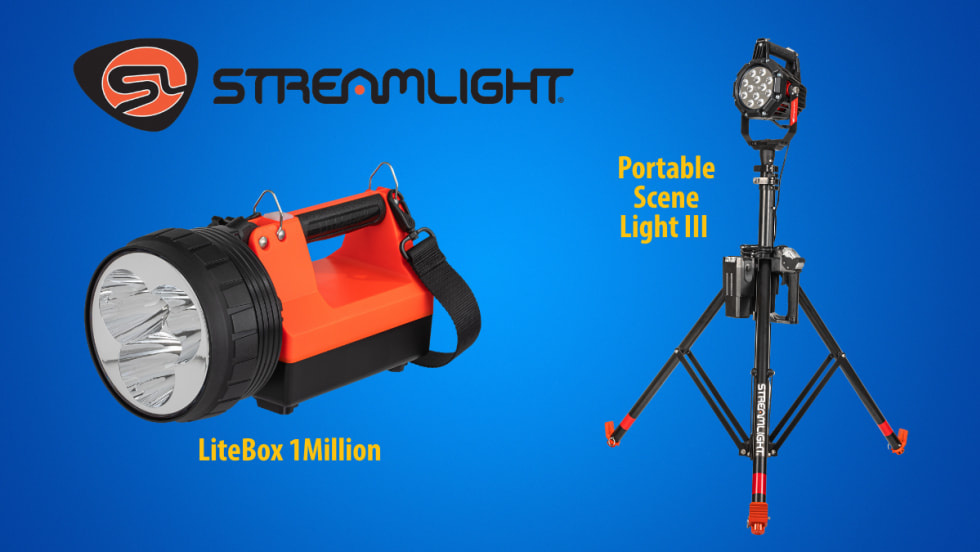
Streamlight Launches Portable Scene Light III & LiteBox 1Million
Streamlight has launched its Portable Scene Light III (PSL III), which delivers up to 10,000 lumens, and the LiteBox 1Million, a long-range search light that delivers one million candela.
Read More →