




Ontario Eyes Cell Phone Restrictions While Driving
Ontario may soon join a growing list of jurisdictions around the world that restrict the use of hand-held cell phones while driving, according to a Buffalo News story by Barry Brown. Similar to the law that went into full effect in New York State last March, the bill before Ontario's Legislature would make it unlawful to talk on a hand-held cell phone while operating vehicle, except in cases of emergency, according to the News. While most laws passed in Canadian legislatures come from the governing party, this proposed law is known as "a private member's bill," as its main backer is Progressive Conservative Party member John O'Tooole. He submitted his bill without the united support of his party, which holds a majority of seats in Ontario's Legislature, according to the News. Ontario Transportation Minister Norm Sterling has praised the proposed law, but controversy over whether such a ban would have any actual effect on traffic safety has limited its supporters. To back his proposal, O'Toole said that 22 countries have similar laws, including Australia, Brazil, Japan, Israel, Singapore, Spain, Switzerland and Portugal. O'Toole also pointed to a 1997 University of Toronto study which found that drivers who talk on cell phones - any kind of cell phones - while driving are four times more likely to end up in a collision than a non-user. The study compared the telephone billing records of nearly 700 drivers involved in accidents. The study found cell phone use was most likely to result in an accident on high-speed roadways. It also found it didn't matter what type of cellular phone device was used; the risk factor was the diversion of a driver's attention, rather than dexterity. Ontario's proposed law is not as tough as the complete ban on the use of cell phones in vehicles that was recommended after a recent coroner's inquest. That recommendation came after Richard Schewe, 31, and his two-year old daughter, Mikaela, were killed when the truck they were in was struck by a freight train at a railroad crossing. The inquest determined that Schewe was talking on his cell phone and failed to notice the flashing lights and lowering of the gate before he crossed into the train's path. Durham Regional Police Constable Mark Stone, who investigated the Schewe case, called the proposed bill "a step in the right direction." Still, Sterling and others, including members of the opposition Liberal Party, have expressed doubt the ban will improve road safety. If the proposal is passed, Ontario will become the first Canadian jurisdiction to restrict cell phone use in motor vehicles. Newfoundland and Nova Scotia are both considering the issue. At the recent World Conference on Injury Prevention and Control in Montreal, delegates were told of a British study showing drivers using cell phones had reaction times 30 percent slower than drunken drivers and 50 percent slower than sober, fully-focused drivers. New York is the only U.S. state that bans the use of hand-held cell phones while driving, although some municipalities - notably Santa Fe, N.M., and some towns in New Jersey and Ohio - also have restrictions in place.
More Small Fleet


Developing Budget-Friendly Driver Safety Programs
From driver training and safety meetings to one-on-one coaching and incentive programs, several small fleets share how they have developed a safety culture with their drivers using low- to no-cost resources.
Read More →
Boosting Last-Mile Fleet Uptime, Safety, and Value with AI Vehicle Inspections
AI-powered inspections are transforming last-mile fleets by replacing manual checks with highly accurate automated scans that detect defects in seconds. By giving fleet operations visibility into the daily condition of their vehicles, you can identify trends over the vehicle’s lifecycle that enable improved procurement decisions, route management, driver training and accountability.
Read More →
Five Ways Seat Belts Help Prevent Injuries
There are five ways seat belts protect occupants from injuries, according to the Tennessee Department of Safety and Homeland Security.
Read More →
It’s here: The 2026 Fleet Technology Trends Report
What does AI mean for fleets? Get the answer — and learn other top tech trends.
Read More →
Small Fleets, Big Impact: How Independent Drivers Power Wreaths Across America
Check out how small fleets and independent drivers power Wreaths Across America each December and why their impact matters more than ever.
Read More →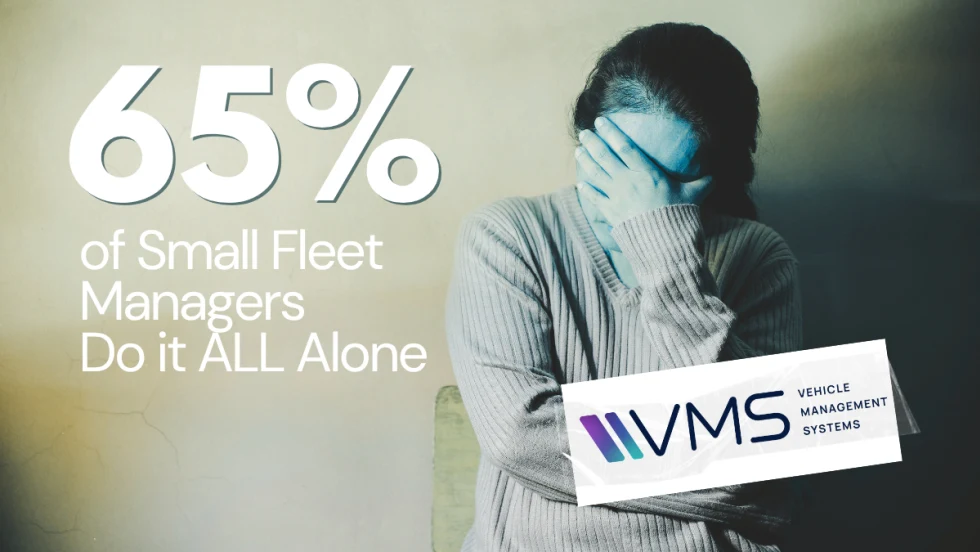
VMS Survey Finds 65% of Small Fleet Managers Run Operations Alone
A new VMS survey shows small fleet managers are stretched thin, with most handling operations solo and eager to adopt digital tools for relief.
Read More →
Tips for Driving Safely on Halloween Night
This video features a reminder from the Connecticut Department of Transportation (DOT) and the Connecticut Police Chiefs Association, urging drivers to prioritize safety this Halloween.
Read More →
AI, Access, and Uptime: VMS’s Next Chapter with David Prusinski
VMS’s new Co-CEO, David Prusinski, shares how an AI-first approach will give small fleets and repair shops the tools to compete like big players.
Read More →
Fleet Managers Share Winter Prep Tips: It's Never Too Early!
Three fleets share best practices to prep vehicles for winter and prevent downtime when the cold sets in.
Read More →