




Networkcar Signs Telematics Contract With Toyota Motor Sales, U.S.A., Inc.
Networkcar, Inc. announced Apr. 24 that it has been awarded a contract with Toyota Motor Sales, U.S.A., Inc. to deploy its CAReaders on electric vehicles (EVs) and hybrid vehicles participating in a car sharing program in Irvine, California. According to the company, Networkcar will equip RAV4 EVs and hybrid Prius vehicles with CAReaders to wirelessly monitor their performance (e.g. battery charge level, mileage) location and other real-time operating parameters. The car sharing program, ZEV·NET (Zero Emission Vehicle Network Enabled Transport) is said to allow qualified commuters to reserve an EV at the Irvine or Riverside Metrolink train station to commute to a worksite, business meeting or other location. The data Networkcar provides will help ZEV·NET manage the program. For instance, ZEV·NET will be able to check the charge level of a car to make sure the car's battery is adequately charged for each new driver. Toyota potentially plans to add an additional 100 vehicles over the next year to the EVs and hybrid vehicles currently being used by the ZEV·NET program. Toyota says its pursuit of the EV market is being driven by a mandate that requires that 10 percent of all new vehicles sold in California meet low emissions standards, with two percent qualified as zero emission vehicles by 2003. Electric vehicles offer a zero emission solution to air pollution, reduce urban noise pollution, and reduce traffic and parking congestion, according to the company. "The Networkcar CAReader device will give Toyota the opportunity to experiment with remote retrieval of in-vehicle data," said Jim Pisz, national manager partnerships/alliances for Toyota Motor Sales, U.S.A., Inc. Networkcar's CAReader is a commercially available aftermarket telematics device that sends information on a vehicle's vital signs and satellite-based location over a wireless network to car owners, fleet managers and service providers. About the size of a cellular telephone, the CAReader is compatible with about 100 million vehicles on the road today. It is installed using a standard communications port on most 1996 and newer cars and light and medium duty trucks, and operates maintenance-free for the life of the vehicle, according to Networkcar. The CAReader collects diagnostic information on a vehicle's emissions system, electrical system, engine performance, and fuel system. "We are looking forward to working with Toyota on this innovative project. The Networkcar system has the ability to provide data for both mainstream fossil fuel vehicles and the electric and hybrid vehicles being used for the ZEV·NET program," said Charles Myers, Networkcar chief executive officer. Networkcar, Inc. is a provider of services for monitoring the performance, location, and security of consumer and fleet vehicles. The Networkcar Service includes real-time car performance updates, Smart Roadside Assistance, stolen vehicle recovery services and Car Guardian, a feature that allows a car owner to find their car by accessing a secure web page. Reynolds and Reynolds, a provider of integrated information management solutions to the automotive retailing marketplace, is an equity partner and distributor of Networkcar's product. More information on Networkcar can be found at www.networkcar.com.
More Small Fleet

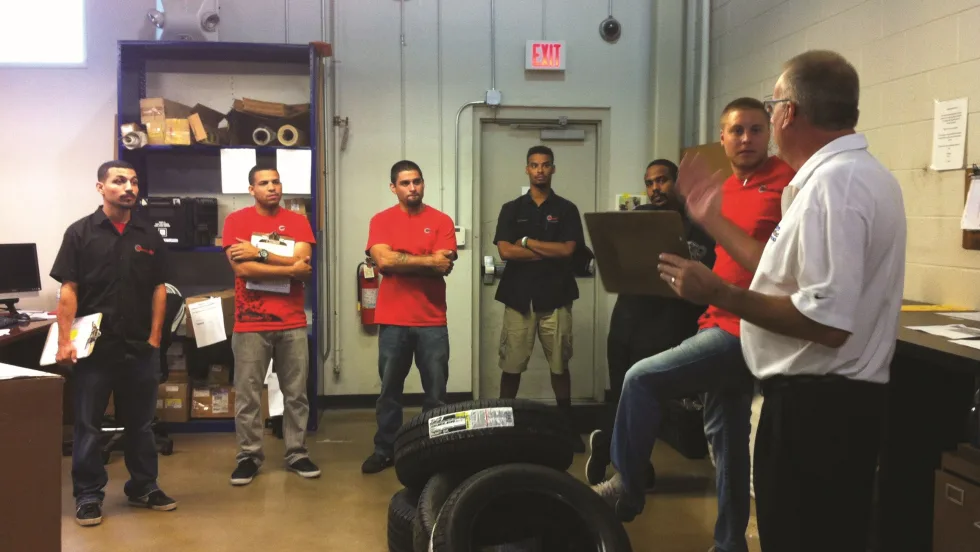
Developing Budget-Friendly Driver Safety Programs
From driver training and safety meetings to one-on-one coaching and incentive programs, several small fleets share how they have developed a safety culture with their drivers using low- to no-cost resources.
Read More →
Boosting Last-Mile Fleet Uptime, Safety, and Value with AI Vehicle Inspections
AI-powered inspections are transforming last-mile fleets by replacing manual checks with highly accurate automated scans that detect defects in seconds. By giving fleet operations visibility into the daily condition of their vehicles, you can identify trends over the vehicle’s lifecycle that enable improved procurement decisions, route management, driver training and accountability.
Read More →
Five Ways Seat Belts Help Prevent Injuries
There are five ways seat belts protect occupants from injuries, according to the Tennessee Department of Safety and Homeland Security.
Read More →
It’s here: The 2026 Fleet Technology Trends Report
What does AI mean for fleets? Get the answer — and learn other top tech trends.
Read More →
Small Fleets, Big Impact: How Independent Drivers Power Wreaths Across America
Check out how small fleets and independent drivers power Wreaths Across America each December and why their impact matters more than ever.
Read More →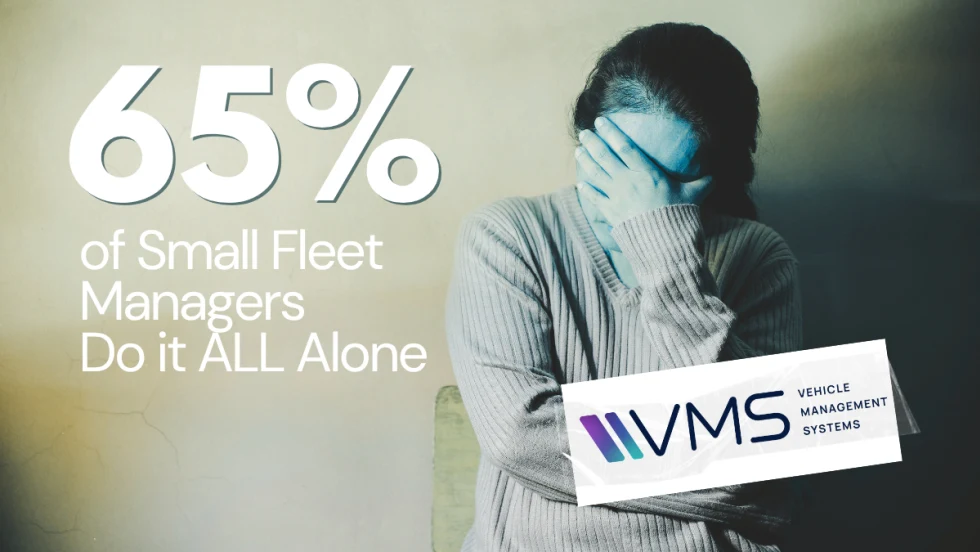
VMS Survey Finds 65% of Small Fleet Managers Run Operations Alone
A new VMS survey shows small fleet managers are stretched thin, with most handling operations solo and eager to adopt digital tools for relief.
Read More →
Tips for Driving Safely on Halloween Night
This video features a reminder from the Connecticut Department of Transportation (DOT) and the Connecticut Police Chiefs Association, urging drivers to prioritize safety this Halloween.
Read More →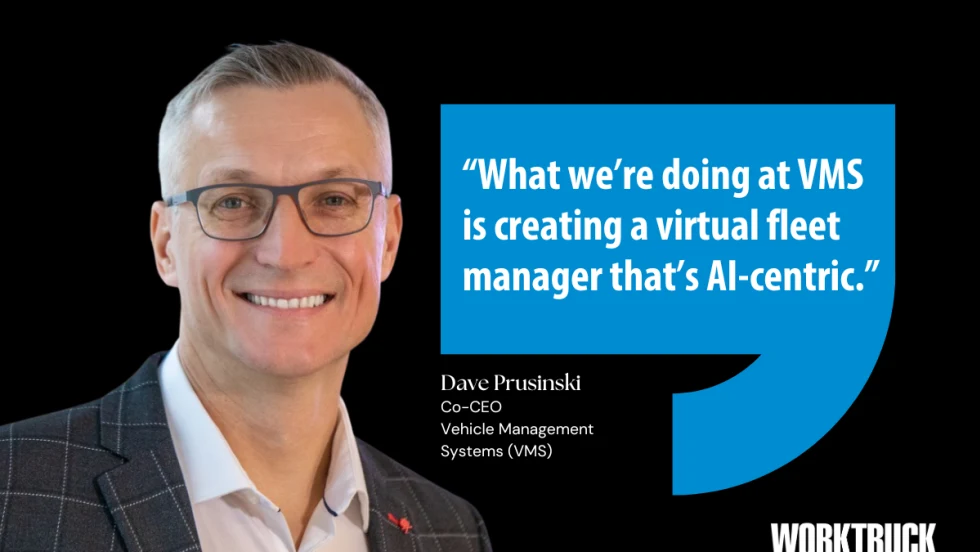
AI, Access, and Uptime: VMS’s Next Chapter with David Prusinski
VMS’s new Co-CEO, David Prusinski, shares how an AI-first approach will give small fleets and repair shops the tools to compete like big players.
Read More →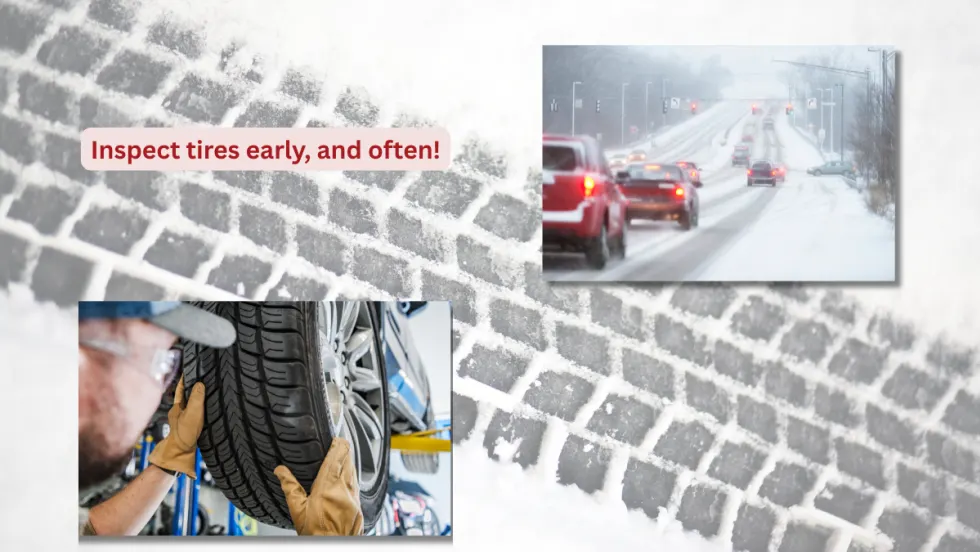
Fleet Managers Share Winter Prep Tips: It's Never Too Early!
Three fleets share best practices to prep vehicles for winter and prevent downtime when the cold sets in.
Read More →