




NAFA, NETS Partner to Improve Driver Safety, Minimize Crash Risk
NETS gives NAFA permission to use the NETS 10 Steps – An Employer Guide to Traffic Safety, a PowerPoint presentation adapted from the Traffic Safety Primer: A Guidebook for Employers for presentations to NAFA's local chapters.
The National Association of Fleet Administrators, Inc. (NAFA) and the Network of Employers for Traffic Safety (NETS) have joined forces to offer guidance to employers in the development of workplace traffic safety programs to improve driver safety performance and minimize the risk of motor vehicle crashes and their ensuing human and financial costs. Under the terms of the partnership agreement, NETS gives NAFA permission to use the NETS 10 Steps – An Employer Guide to Traffic Safety, a PowerPoint presentation adapted from the Traffic Safety Primer: A Guidebook for Employers for presentations to NAFA’s local chapters. In addition, NAFA will also use selected content from the NETS Primer to develop the fleet safety component of NAFA’s Certified Automotive Fleet Manager (CAFM) program. NAFA will market the Primer and the 10-Step Employer Implementation Guide, currently under development, to its membership. These resources will be available on the NETS online store and the NAFA online bookstore. NAFA will also promote the NETS annual “Drive Safely Work Week” campaign (October 1-5, 2007) that promotes safe driving practices to all employees. The campaign materials will be available online in June. The two groups will collaborate later this year to develop an executive-level traffic safety seminar specifically for NAFA members. The NETS 10-Step System was developed to improve driver safety, minimize crash risk, and reduce liability for businesses of all sizes and industry-types. “Implementation of these 10-Steps ensures that an organization has senior management commitment, involves employees at all levels of the organization, has written policies and procedures in place to steer the process, hires only those with safe driving records, provides training and supervision for all employees who drive at any time for business purposes, and selects, maintains and inspects company vehicles,” explained Kathy Lusby-Treber, NETS Executive Director. “NAFA’s partnership with NETS is another example of wisely using our resources to focus on our core expertise, while reaching out to other groups to bolster our arsenal of products and services for our membership,” said NAFA Executive Director Phillip E. Russo, CAE. “This arrangement instantly gives NAFA members access to a safety partner with some of the best information in an easy-to-implement format without having to spend time or money developing it.” Matthew Betz, Vice President of National Account Sales, AmeriFleet Transportation, a member of the NETS Board of Directors and Co-Chair of NAFA’s Education Development Committee, will present the 10-Step System at designated NAFA chapter meetings. NETS will continue presenting the one-day Employer “Best Practices” for Driver Safety workshops to respond to the most frequently asked questions on the 10-Step System implementation. NETS will also conduct a series of “High-Risk Driver” workshops regionally this fall.
More Small Fleet


Developing Budget-Friendly Driver Safety Programs
From driver training and safety meetings to one-on-one coaching and incentive programs, several small fleets share how they have developed a safety culture with their drivers using low- to no-cost resources.
Read More →
Boosting Last-Mile Fleet Uptime, Safety, and Value with AI Vehicle Inspections
AI-powered inspections are transforming last-mile fleets by replacing manual checks with highly accurate automated scans that detect defects in seconds. By giving fleet operations visibility into the daily condition of their vehicles, you can identify trends over the vehicle’s lifecycle that enable improved procurement decisions, route management, driver training and accountability.
Read More →
Five Ways Seat Belts Help Prevent Injuries
There are five ways seat belts protect occupants from injuries, according to the Tennessee Department of Safety and Homeland Security.
Read More →
It’s here: The 2026 Fleet Technology Trends Report
What does AI mean for fleets? Get the answer — and learn other top tech trends.
Read More →
Small Fleets, Big Impact: How Independent Drivers Power Wreaths Across America
Check out how small fleets and independent drivers power Wreaths Across America each December and why their impact matters more than ever.
Read More →
VMS Survey Finds 65% of Small Fleet Managers Run Operations Alone
A new VMS survey shows small fleet managers are stretched thin, with most handling operations solo and eager to adopt digital tools for relief.
Read More →
Tips for Driving Safely on Halloween Night
This video features a reminder from the Connecticut Department of Transportation (DOT) and the Connecticut Police Chiefs Association, urging drivers to prioritize safety this Halloween.
Read More →
AI, Access, and Uptime: VMS’s Next Chapter with David Prusinski
VMS’s new Co-CEO, David Prusinski, shares how an AI-first approach will give small fleets and repair shops the tools to compete like big players.
Read More →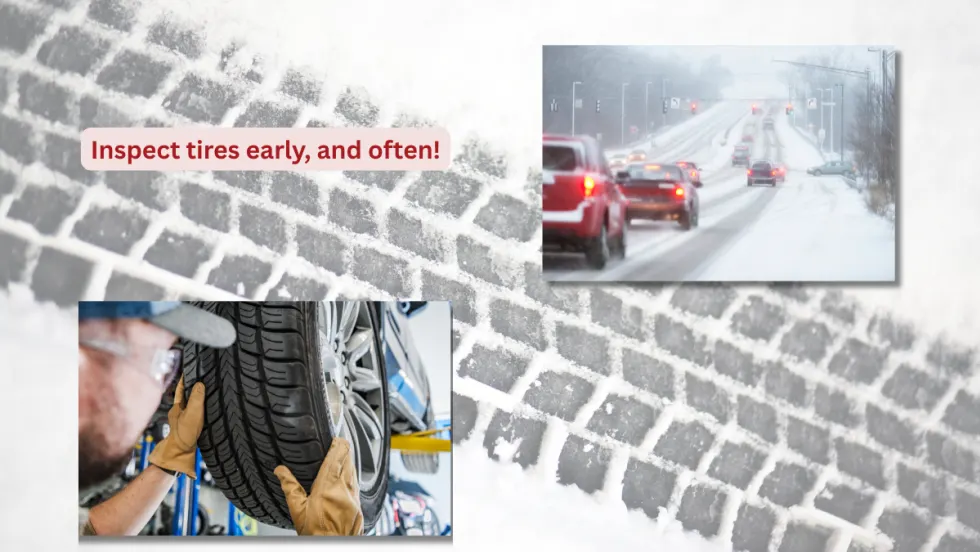
Fleet Managers Share Winter Prep Tips: It's Never Too Early!
Three fleets share best practices to prep vehicles for winter and prevent downtime when the cold sets in.
Read More →