




Mazda Touts All-New Product Line
Japan's Mazda Motor Corporation is performing a complete makeover on its brand image and design, and company executives are betting that a completely rebuilt lineup of automobiles will double its North American market share by the end of the decade. Over the next three years, the Japanese automaker will release 11 new products in North America and nine in Australia, Mazda executives said at a company roadshow in New York on March 20. Mazda is trying to rekindle a brand identification that it admits it has lost in recent years. "We're about to take one giant step toward relaunching Mazda," said Mazda President Mark Fields. New Vehicle Lineup The company will boost spending on product development by 30 percent for the five-year period through 2004 compared to the previous five years to replace all of its models and add two new vehicles, according to Mazda senior managing director Kei Kado. Its new four-door RX-8 sports car, a successor to the popular rotary-engined RX-7, highlights the roster of new products developed thanks to the company's heftier budget. The RX-8, which will house a 250-horsepower Renesis rotary engine, epitomizes the "zoom-zoom" ad campaign, which debuted last summer as part of Mazda's efforts to remake its image as a builder of "fun-to-drive" cars. Rear-opening back doors and the absence of a center, or "b" pillar, opens up the the interior with seating for four adults. Current plans call for construction of the RX-8 to begin in late 2002. Two other new mid-sized cars -- a sedan and a wagon -- will be introduced in 2002. The mid-size sedan, to be built at its joint-venture plant with Ford Motor Company in Flat Rock, Mich., will be the first car to reflect its new brand image. The wagon, one of three products derived from the same chassis to be launched next year, will feature rear seats which fold flat at the touch of a button. With the new product blitz, Fields predicted that Mazda will eventually boost its market share to three percent in Europe compared with 1.3 percent last year, and three percent in North America compared with 1.5 percent in 2000. Japan's fifth-largest carmaker, Mazda aims to break even this year on a group net basis after a projected net loss of about $415 million, in fiscal year 2000/01, ended in April. Earlier this month, Moody's Investors Service cut the senior unsecured debt ratings on Mazda to Ba3 from Ba1, despite its restructuring plans to cut 1,800 jobs and a quarter of its capacity. To ease the impact from exchange rate fluctuations, which have erased more than $1 billion from Mazda's bottom line over the past two years, Mazda will shift more production to Ford plants outside Japan, according to Fields. Ford owns a controlling 33 percent stake in Mazda. Fields said Mazda has targeted a three percent return on sales, six percent return on assets and a 50 percent net debt-to-equity ratio through the end of 2004. Mazda's engineering costs will drop anywhere between 10 percent to 50 percent per unit in various programs, Fields said, which should cut an average of $150 off the variable cost per unit.
More Small Fleet


Developing Budget-Friendly Driver Safety Programs
From driver training and safety meetings to one-on-one coaching and incentive programs, several small fleets share how they have developed a safety culture with their drivers using low- to no-cost resources.
Read More →
Boosting Last-Mile Fleet Uptime, Safety, and Value with AI Vehicle Inspections
AI-powered inspections are transforming last-mile fleets by replacing manual checks with highly accurate automated scans that detect defects in seconds. By giving fleet operations visibility into the daily condition of their vehicles, you can identify trends over the vehicle’s lifecycle that enable improved procurement decisions, route management, driver training and accountability.
Read More →
Five Ways Seat Belts Help Prevent Injuries
There are five ways seat belts protect occupants from injuries, according to the Tennessee Department of Safety and Homeland Security.
Read More →
It’s here: The 2026 Fleet Technology Trends Report
What does AI mean for fleets? Get the answer — and learn other top tech trends.
Read More →
Small Fleets, Big Impact: How Independent Drivers Power Wreaths Across America
Check out how small fleets and independent drivers power Wreaths Across America each December and why their impact matters more than ever.
Read More →
VMS Survey Finds 65% of Small Fleet Managers Run Operations Alone
A new VMS survey shows small fleet managers are stretched thin, with most handling operations solo and eager to adopt digital tools for relief.
Read More →
Tips for Driving Safely on Halloween Night
This video features a reminder from the Connecticut Department of Transportation (DOT) and the Connecticut Police Chiefs Association, urging drivers to prioritize safety this Halloween.
Read More →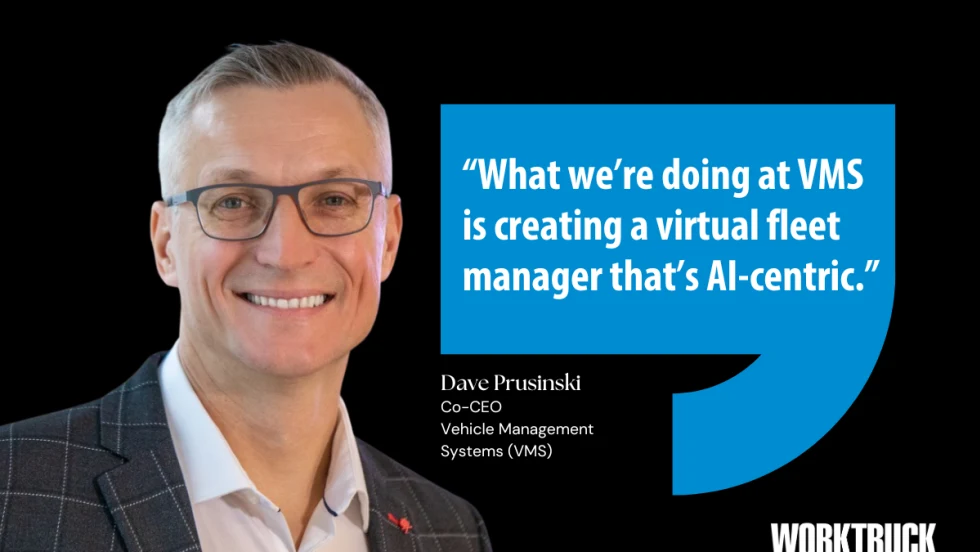
AI, Access, and Uptime: VMS’s Next Chapter with David Prusinski
VMS’s new Co-CEO, David Prusinski, shares how an AI-first approach will give small fleets and repair shops the tools to compete like big players.
Read More →
Fleet Managers Share Winter Prep Tips: It's Never Too Early!
Three fleets share best practices to prep vehicles for winter and prevent downtime when the cold sets in.
Read More →