




Maine Passes Bill To Remove Toxic Mercury From Vehicles
The Partnership for Mercury-Free Vehicles, a coalition of environmental organizations and the industries involved in vehicle recycling, on Apr. 5 praised the Maine legislature's passage of the nation's first law to mandate manufacturer responsibility for the removal of toxic mercury from vehicles. The law requires auto makers to create a system for removing and safely disposing of the mercury used in cars and trucks. "Maine has set the tone for the rest of the nation," said Charles Griffith of the Michigan-based Ecology Center, who served on the State of Maine Advisory Task Force. "This law will go a long way toward eliminating one key source of mercury in our environment, helping reduce the risk that this toxic substance will cause serious developmental harm in fetuses and children." The Maine law creates a manufacturer-funded system for removing and disposing of mercury-added components, such as switches in hood and trunk lights, before vehicles are crushed or shredded for recycling. Currently, there is no such system, and many mercury switches remain in the vehicles as they go through the recycling process, which, according to the Partnership can potentially lead to environmental and health hazards. According to the Partnership, automakers opposed the legislation, and sought instead to create a state-run system funded by fees on new and used car sales through dealers. This amendment, along with other weakening provisions, ultimately failed to gain enough votes. The bill now awaits the governor's signature. "The Maine legislature voted by a wide margin to hold the auto makers accountable for mercury pollution from cars," said Michael Belliveau, Toxics Project director for the Natural Resources Council of Maine. "As the state most downwind of mercury air pollution sources, Maine's leadership makes good sense. Now other states should follow the old political adage, 'As Maine goes, so goes the nation,' so that manufacturers' responsibility for mercury sweeps the nation." Airborne mercury can travel hundreds of miles before being deposited in lakes and on land. According to data from the Centers for Disease Control and Prevention, hundreds of thousands of babies born each year are at risk from developmental problems due to mercury exposure in the womb. Most states, including Maine, have issued advisories against eating certain kinds of fish because of mercury contamination. "We in the recycling industry have long been concerned about the use of potentially hazardous materials such as mercury in automobiles," said Robin K. Wiener, president of the Institute of Scrap Recycling Industries (ISRI). "Maine's new auto mercury law removes from the recycling equation a known public health hazard and helps to ensure that the auto manufacturers share in the responsibility for solving a problem created by their decision to use mercury in the first place." "This is an issue that has been created by the manufacturers, as they have chosen to put mercury in their vehicles. To our knowledge, auto makers have yet to disclose their historical uses of mercury as well as specific models that contain mercury. Our members simply cannot assume the significant responsibility for disposing of these toxic substances," said Automotive Recyclers Association (ARA) executive vice president Bill Steinkuller. "Steel is America's most recycled material and autos its most recycled product," said Bill Heenan, president of the Steel Recycling Institute (SRI). "In order to keep the most effective recycling infrastructure in America functioning, it must be protected from contaminants. Maine's auto mercury law should lead the way for the rest of the nation in ensuring automobiles continue to be America's most recycled product." Members of the Partnership for Mercury-Free Vehicles include Automotive Recyclers Association, Clean Car Campaign, Clean Production Network, Ecology Center (Michigan), Environmental Defense, Great Lakes United, Institute of Scrap Recycling Industries, Inc., Mercury Policy Project, Steel Manufacturers Association, and the Steel Recycling Institute.
More Small Fleet

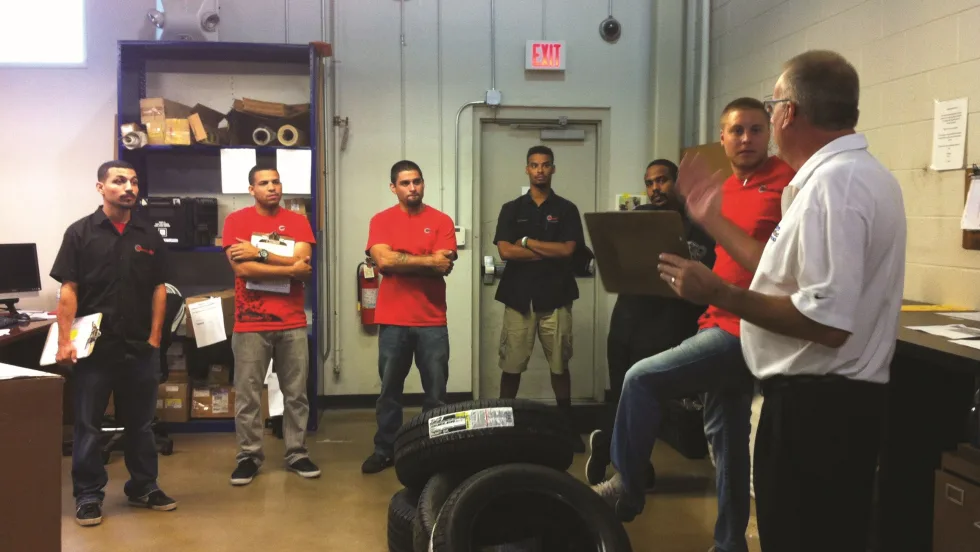
Developing Budget-Friendly Driver Safety Programs
From driver training and safety meetings to one-on-one coaching and incentive programs, several small fleets share how they have developed a safety culture with their drivers using low- to no-cost resources.
Read More →
Boosting Last-Mile Fleet Uptime, Safety, and Value with AI Vehicle Inspections
AI-powered inspections are transforming last-mile fleets by replacing manual checks with highly accurate automated scans that detect defects in seconds. By giving fleet operations visibility into the daily condition of their vehicles, you can identify trends over the vehicle’s lifecycle that enable improved procurement decisions, route management, driver training and accountability.
Read More →

Five Ways Seat Belts Help Prevent Injuries
There are five ways seat belts protect occupants from injuries, according to the Tennessee Department of Safety and Homeland Security.
Read More →
Basic Tracking vs Next Generation Fleet Technology
Fleet software is getting more sophisticated and effective than ever, tying big data models together to transform maintenance, safety, and the value of your existing tech stack. Fleet technology upgrades are undoubtedly an investment, but updated technology can offer a much higher return. Read how upgrading your fleet technology can increase the return on your investment.
Read More →
It’s here: The 2026 Fleet Technology Trends Report
What does AI mean for fleets? Get the answer — and learn other top tech trends.
Read More →
Small Fleets, Big Impact: How Independent Drivers Power Wreaths Across America
Check out how small fleets and independent drivers power Wreaths Across America each December and why their impact matters more than ever.
Read More →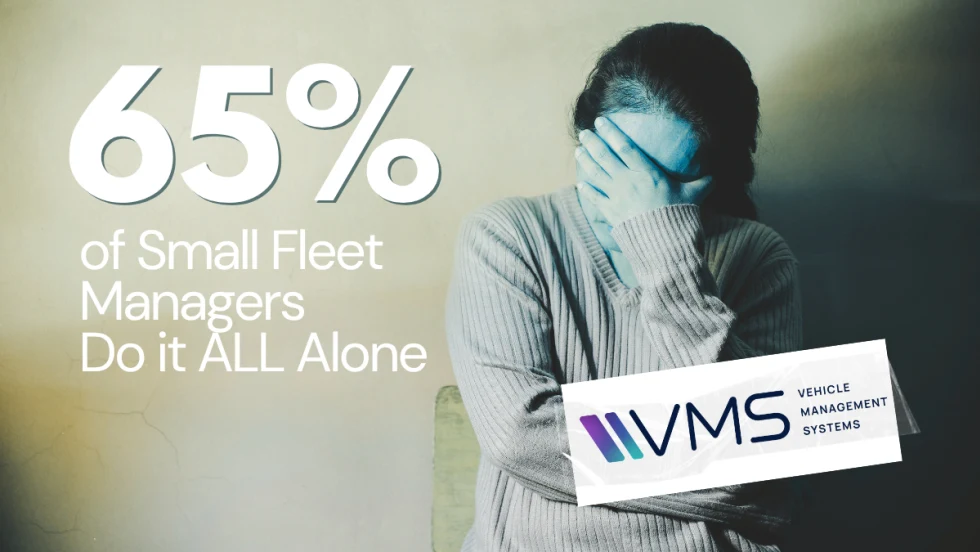
VMS Survey Finds 65% of Small Fleet Managers Run Operations Alone
A new VMS survey shows small fleet managers are stretched thin, with most handling operations solo and eager to adopt digital tools for relief.
Read More →
Tips for Driving Safely on Halloween Night
This video features a reminder from the Connecticut Department of Transportation (DOT) and the Connecticut Police Chiefs Association, urging drivers to prioritize safety this Halloween.
Read More →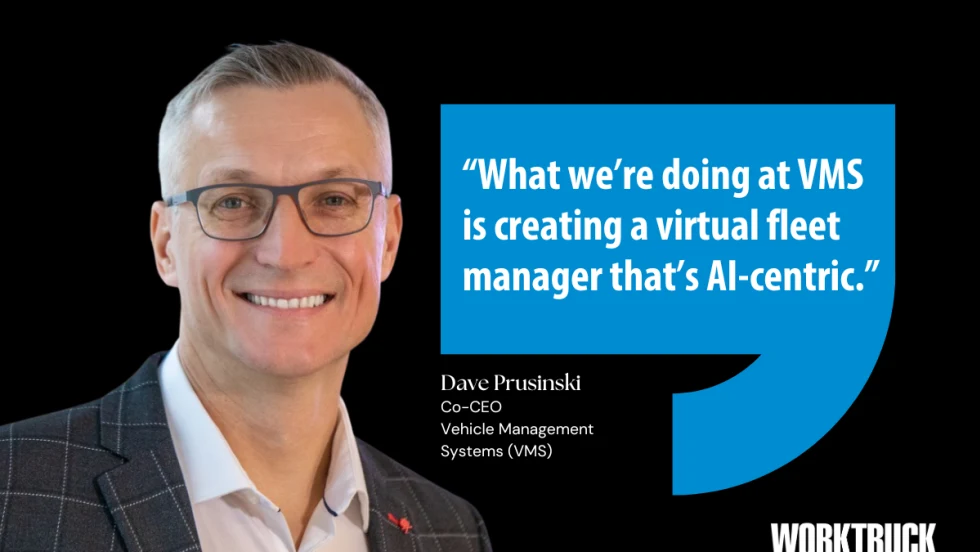
AI, Access, and Uptime: VMS’s Next Chapter with David Prusinski
VMS’s new Co-CEO, David Prusinski, shares how an AI-first approach will give small fleets and repair shops the tools to compete like big players.
Read More →