




J.D. Power Releases Residential Gas Utility Customer Satisfaction Study
The study, now in its 13th year, measures residential customer satisfaction with gas utility companies across six factors: billing and payment; price; corporate citizenship; communications; customer service; and field service.
Even though the U.S. faced another harsh winter and an increase in the average monthly gas bill this past season, customer satisfaction with residential gas utilities improves for a third consecutive year, according to the J.D. Power 2014 Gas Utility Residential Customer Satisfaction Study released today.
The study, now in its 13th year, measures residential customer satisfaction with gas utility companies across six factors: billing and payment; price; corporate citizenship; communications; customer service; and field service.
“Although average gas bill amounts have increased due to the colder-than-usual winter, natural gas utilities have offset the negative effect by improving engagement with their customers,” said Andrew Heath, director of the energy practice at J.D. Power. “That engagement isn’t just about the bill and responding to customer service questions, but it’s also about effective communication on topics that matter to customers and demonstrating leadership in the local community.”
Key Findings:
Overall satisfaction with natural gas utility companies averages 644 (on a 1,000-point scale), continuing a steady year-over-year improvement from 627 in 2011.
Payments made online at a utility’s website are the most satisfying to customers, compared with all other payment types (743 vs. 718, respectively). Satisfaction is significantly higher among customers who receive an electronic bill statement than among those who receive a traditional paper statement (743 vs. 715, respectively).
While more than one-half (51%) of customers indicate having an online account set up on their utility’s website, up from 48 percent in 2013, only 3 in 10 customers receive their monthly bill electronically.
Communication from gas utilities informing customers about efforts to keep energy costs low is a key driver of satisfaction.
Educated customers have higher price satisfaction when they are familiar with conservation programs and when they take action to lower their bills (familiar with and take action 712 vs. not familiar with and take no action 553).
Slightly less than one-fifth (18%) of gas customers take action to save energy, up from 13 percent in 2013.
Price satisfaction is a significant 232 points higher when customers are very familiar with their utility’s conservation programs, compared with when they are not at all familiar (760 vs. 528, respectively).
Corporate citizenship satisfaction is 602, up 6 points year over year, driven primarily by utility efforts to maintain a safe gas system. Satisfaction ratings for utility efforts to maintain a safe gas system is 6.54 (on a 10-point scale) in 2014, compared with 6.47 in 2013.
The average reported monthly bill amount has increased in 2014 to $81, up from $75 in 2013 but lower than in 2010 at $90.
Study Rankings:
The study ranks large and midsize utility companies in four geographic regions: East, Midwest, South and West. Companies in the midsize utility segment serve between 125,000 and 399,999 residential customers, and companies in the large utility segment serve 400,000 or more residential customers.
East Region
Among large utilities in the East region, UGI ranks highest with a score of 662 for a second consecutive year. Following in the segment rankings are New Jersey Natural Gas (653) and National Fuel Gas (646).
In the East region midsize utility segment, Columbia Gas of Pennsylvania ranks highest (641), followed by NSTAR (631) and Rochester Gas & Electric (630).
Midwest Region
DTE Energy ranks highest among large utilities in the Midwest region, with a score of 676. Consumers Energy ranks second (666) and MidAmerican Energy ranks third (664).
Among midsize utilities in the Midwest region, Madison Gas & Electric ranks highest with a score of 662. Alliant Energy ranks second (648), followed by Louisville Gas & Electric (645).
South Region
Oklahoma Natural Gas ranks highest in the large utility segment in the South region for a third consecutive year, with a score of 676. CenterPoint Energy-South ranks second (665), and Texas Gas Service ranks third (663).
Among midsize utilities in the South region, TECO Peoples Gas ranks highest with a score of 680 for a second consecutive year. Following in the segment rankings are South Carolina Electric & Gas (663) and Virginia Natural Gas (658).
West Region
NW Natural ranks highest among large utilities in the West region for a second consecutive year, with a score of 678. Following in the segment rankings are Southern California Gas Company (670) and Southwest Gas (661).
Among midsize utilities in the West region, Colorado Springs Utilities ranks highest with a score of 669. Cascade Natural Gas ranks second (660), followed by Intermountain Gas Company (658).
The 2014 Gas Utility Residential Customer Satisfaction Study is based on more than 69,800 responses from residential customers of 83 large and midsize gas utilities across the continental United States. The study was fielded between September 2013 and July 2014.
More Utility Fleet
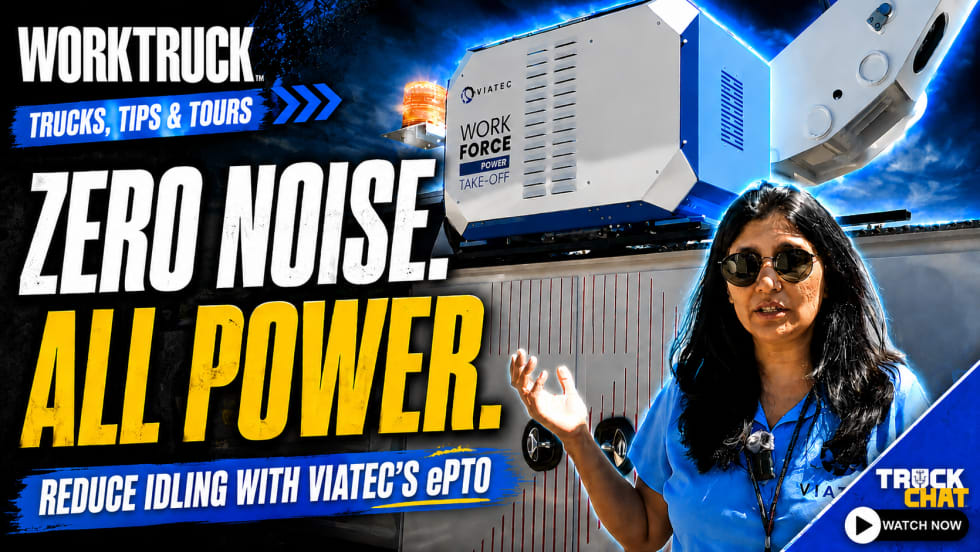
Reduce Noise & Idling with Viatec’s ePTO
Viatec's Workforce ePTO lets utility trucks power booms, outriggers, and auxiliary equipment using battery power instead of idling the engine. Learn how this technology helps reduce fuel use, noise, engine wear, and emissions while improving operator comfort.
Read More →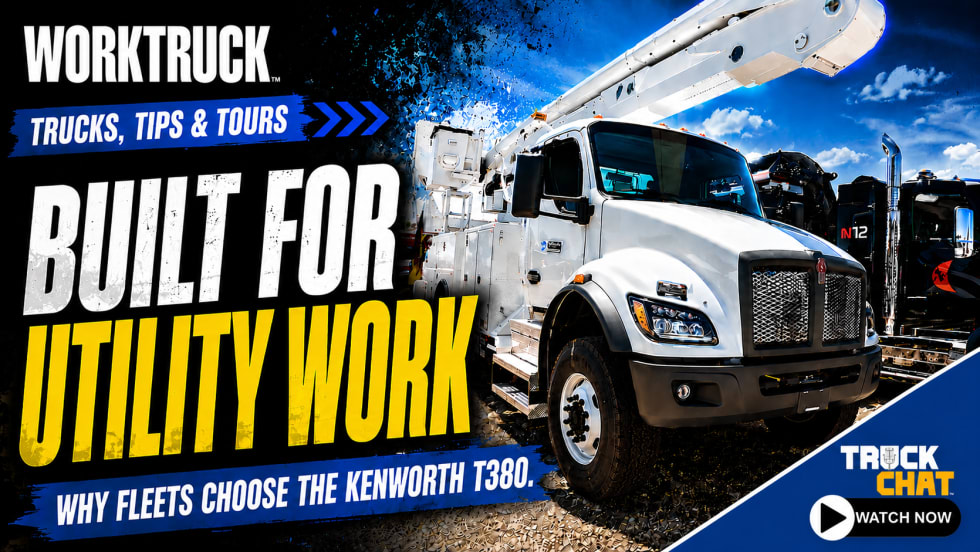
Why Utility Fleets Choose the Kenworth T380
The Kenworth T380 is engineered for utility fleets with custom chassis layouts, optimized frame rails, 4x4 capability, and improved driver visibility. See how its design helps maximize upfit flexibility and field performance.
Read More →
PALFINGER PB 38 AT P: Purpose-Built for Telecom Fleets
Purpose-built for telecommunications crews, the PALFINGER PB 38 ATP combines a 43-foot working height, flexible basket stowage, integrated cameras, and operator communication systems to improve productivity and safety during fiber and overhead cable installation.
Read More →

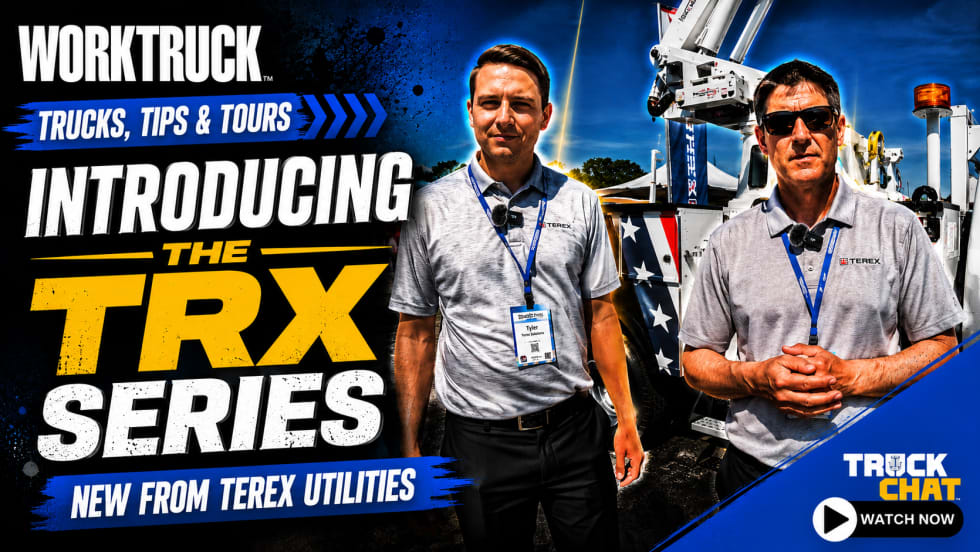
Inside Terex Utilities' Latest Work Truck Innovations
Terex Utilities is advancing utility fleet operations with its new TRX aerial platforms, Flex Pro controls, and AI-powered 3rd Eye safety technology. See how these innovations are helping fleets work safer, smarter, and more productively.
Read More →
Walkaround of International MV607 Digger Derrick
The International MV607 combines advanced safety technologies, excellent visibility, vocational flexibility, and seamless body integration to create a powerful platform for utility fleet operations. Take a closer look at this Altec digger derrick configuration from EUFMC.
Read More →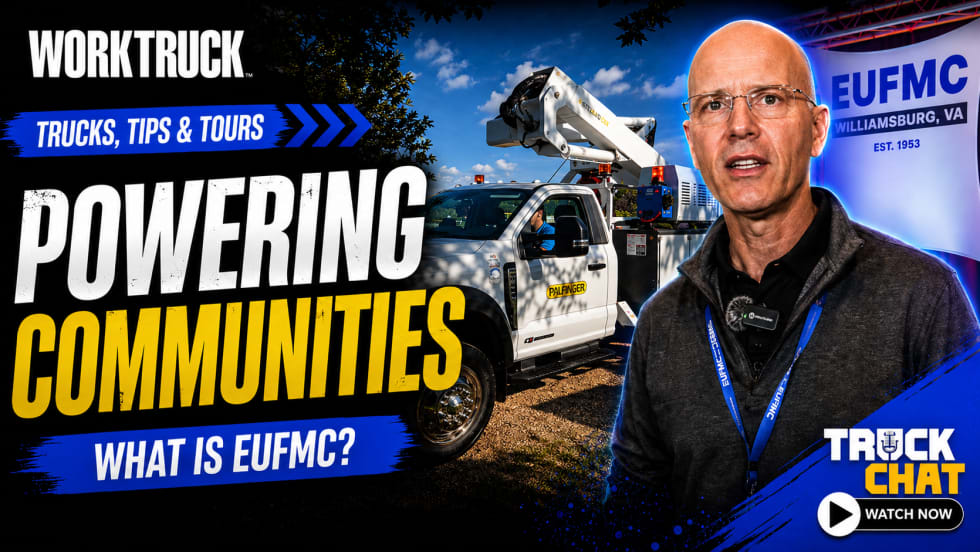
Inside the Electric Utility Fleet Managers Conference
What is EUFMC? For more than seven decades, the Electric Utility Fleet Managers Conference has served as a hub for collaboration, education, and innovation within the utility fleet industry. In this video, Work Truck talks to EUFMC President Greg Loew to learn more.
Read More →
Inside the EUFMC Equipment Expo & Drive-Through
Follow Work Truck as we check out the trucks and other vehicles that were showcased at the Electric Utility Fleet Managers Conference in Williamsburg, Virginia. Whether looking for something on tires or treads, it was there for fleet managers to see.
Read More →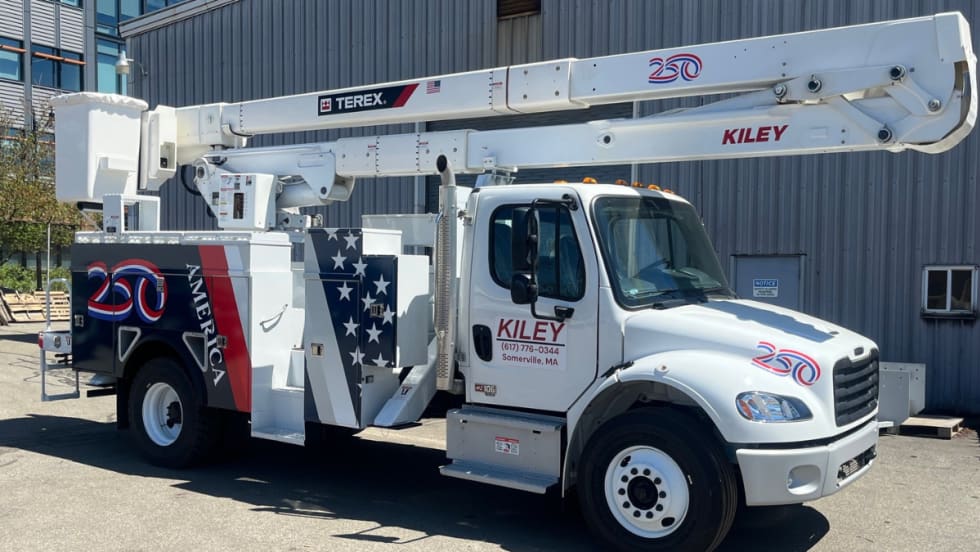
Terex Utilities & Kiley Unveil Custom America 250 Bucket Trucks at EUFMC 2026
Terex Utilities showcased a patriotic spirit in its booth this week during the Electric Utility Fleet Managers Conference in Williamsburg, Virginia, by debuting two custom-wrapped bucket trucks celebrating America’s upcoming 250th anniversary.
Read More →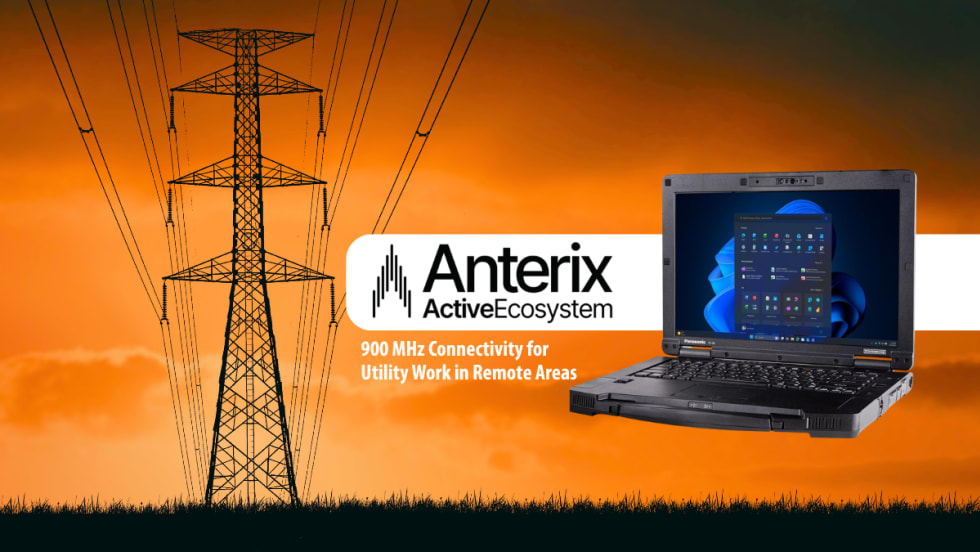
Panasonic Connect & Anterix Strengthen Connectivity Options for Utilities and Field Workers
The Panasonic Connect Toughbook 56 is the first Toughbook to earn the AnterixActive badge, which means it can connect to and operate on Anterix’s 900 MHz network even in the most remote locations.
Read More →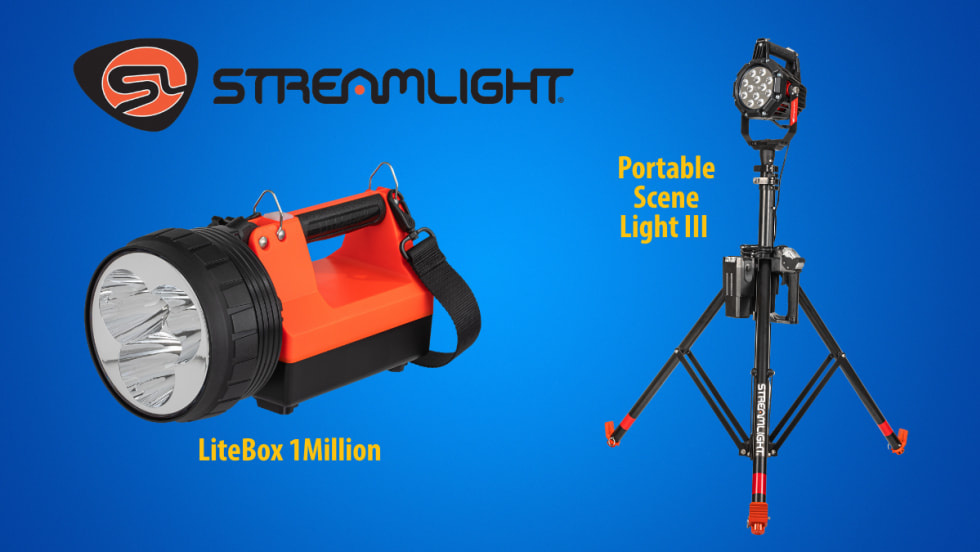
Streamlight Launches Portable Scene Light III & LiteBox 1Million
Streamlight has launched its Portable Scene Light III (PSL III), which delivers up to 10,000 lumens, and the LiteBox 1Million, a long-range search light that delivers one million candela.
Read More →