




Japan Automakers Halt Production, Assess OTD Impact
JAPAN – In the wake of the recent 8.9 magnitude earthquake and resulting tsunami affecting northern Japan, automakers located in that country have shut down production and have not decided whether they will resume operations later this week.
JAPAN – In the wake of the recent 8.9 magnitude earthquake and resulting tsunami affecting northern Japan, automakers located in that country have shut down production and have not decided whether they will resume operations later this week.
Automotive Fleet and Work Truck contacted representatives from the OEMs who are involved in fleet sales about whether this unfortunate event will affect vehicle production and, if so, the order-to-delivery time to fleets.
In many cases, operations are affected by the current electricity shortage in that country due to a number of nuclear reactors that were damaged and have been shut down.
As of today, Toyota announced in a statement that it is halting production at all of its plants in Japan, including subsidiary vehicle manufacturers, from March 14-16.
The automaker stated that it is currently assessing the situation at its suppliers and dealers as well as the impact it will have on North American import vehicles. The company has not shut down operations at any of its plants in North America so far. According to a Bloomberg article, the automaker may lose output of up to 40,000 vehicles as a result of this event.
Nissan stated that is suspending operations at its Tochigi and Iwaki plants until Friday, March 18, and at its Oppama, Kyushu, and Nissan Shatai Yokohama plants until Wednesday, March 16. The company said it is also reducing electricity usage at its non-production facilities, both corporate locations and dealerships, to cooperate with government efforts to manage the nation’s electricity needs in the face of this crisis. The company said its global headquarters in Yokohama was not affected and it received no reports of casualties. The company released an update on its North American operations stating that all Nissan Americas manufacturing facilities will remain operational and will continue normal production schedules until further notice.
At Honda Motor Co., the company stated that as of March 14, it suspended production activities at eight of its plants and all regular operations at facilities in the Tochigi area, which was most affected by the disaster.
In a news release related to its North American operations, the automaker said the production shutdowns will have no immediate impact, but the company is assessing the long-term effect. More than 80 percent of Honda and Acura products sold in the U.S. are produced in North America, and the vast majority of automotive parts for Honda automobiles manufactured in North America are sourced in the region, according to the company.
The company has also confirmed a fatality of a Honda R&D associate at the Tochigi R&D Center, when a wall collapsed in a cafeteria. The associate was male, 43 years old. In addition, the automaker said that 17 employees in the Tochigi area were injured due to collapsing ceilings and other damage. Honda stated that it confirmed the wellbeing of all Honda associates on assignment in Japan from North America. Bloomberg reported that the automaker will lose output of 16,600 vehicles.
At Mazda Motor Co., the company’s National Fleet Operations Manager in the U.S. Brenda Perez said that its facilities are distant from the earthquake’s epicenter. On Monday, March 14, the company announced it has suspended production at its Hiroshima and Hofu plants until March 16. The automaker has not yet announced further production changes for March 17 and beyond.
“We are all very saddened by the massive destruction and the impact to the Japanese people,” Perez said.
Mitsubishi Motors Corp. announced that it is suspending operations on March 14 and 15 to verify safety at its suppliers, but that its operations are located in Aichi, Gifu, and Okayama prefectures, and are outside of the region affected by the quake and tsunami. The company said that as of 4 pm (Tokyo time) on March 14 the company had confirmed that it has the parts available to resume operations on March 16, but that it will announce whether it plans to do so on March 15.
At Mitsubishi Fuso Truck of America, its President and CEO Todd Bloom said that he had heard that everyone in the office was okay.
Fuji Heavy Industries Inc., the company that owns the Subaru brand, released a statement that said although its plants are based around and to the west of Tokyo rather than in northern Japan, the region affected most by the tsunami and quake, the company has decided to suspend production at its plants until Wednesday, March 16. The company said it would decide whether to restart production on March 17 based on electricity and parts availability. The company said it is still assessing the impact the disaster will have on its suppliers, dealers, production, and exports to overseas markets. The company said it can’t comment on the total impact as of yet. Its plant in Indiana continued to run normally and is assessing its own parts supply.
According to Bloomberg, Hino announced it has stopped production until at least March 16. In the same article Isuzu said it would stop production until March 18.
At UD Trucks North America, the company’s Director of Marketing Brian Wagner stated that he is just now receiving information on production availability. “This morning we were notified that the production facilities are currently closed for further inspection and have not been informed how it will effect overall production at this time,” he said. “Our concern at this time is the safety of all UD Trucks employees and their families in Japan and how we can support them in this time of need.”
Toyota said it plans to move approximately $3.75 million for relief and recovery efforts in communities affected by the quake and is also considering providing goods and services as needed. Nissan said it will donate 30,000,000 yen to the NGO Japan Platform, and is considering providing vehicles such as trucks and forklifts, donating medical supplies, matching donations from Nissan employees, and promoting and supporting blood donation.
By Greg Basich and Lauren Fletcher
Originally posted on Automotive Fleet
More Operations
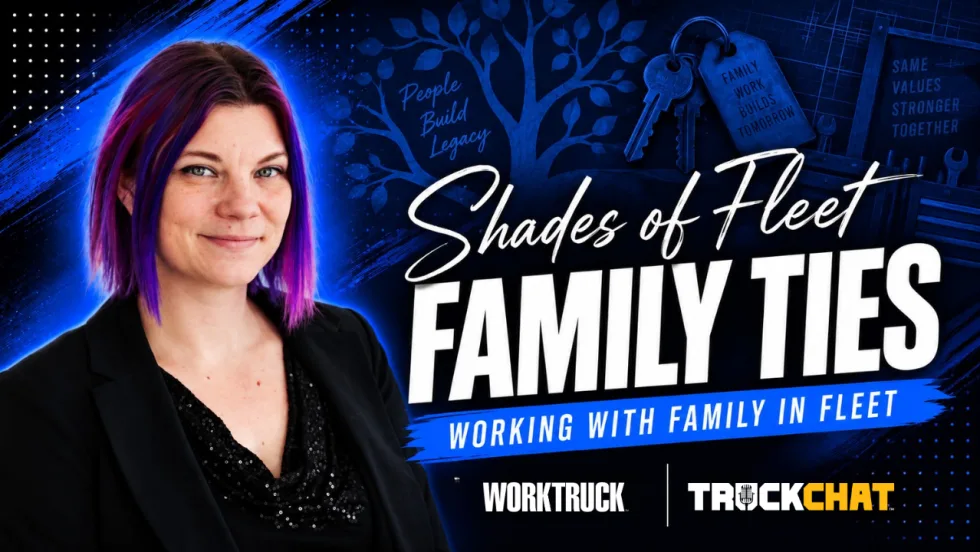
Family Ties Inside the Fleet Families Building Careers Across Generations
Three fleet families share what it really takes to work together, learn across generations, and keep business from following them home.
Read More →
Shades of Fleet Call for Voices: Fleet's Hidden Heroes
Fleet’s hidden heroes are often the ones keeping everything moving behind the scenes. September’s Shades of Fleet is looking for dispatchers, coordinators, parts specialists, and other support pros to share their stories.
Read More →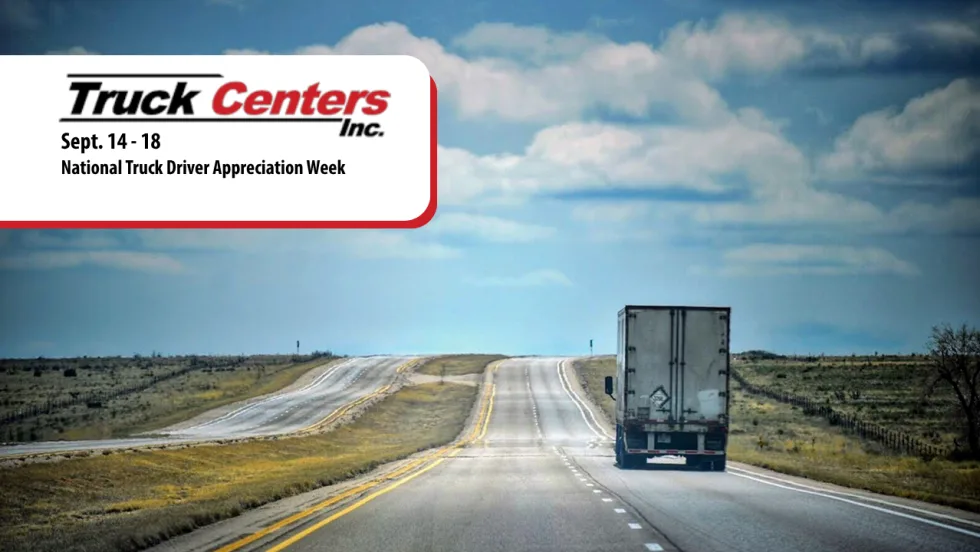
Truck Centers, Inc. Celebrates National Truck Driver Appreciation Week with $1,000 Fuel Card Giveaways
During National Truck Driver Appreciation Week, Truck Centers, Inc. is offering customers a chance to fuel up for free. Customers at all Truck Centers locations can enter to win one of four $1,000 fuel cards from Sept. 14 - 18.
Read More →
Fleet Guides, AI Time-Savers, Truck Tariffs & Fuel Strategy Lead the News
This week’s Truck Chat Cheat Sheet covers new fleet vehicle guides, practical AI use cases, U.S.-Canada truck production, mixed-energy strategy, and more.
Read More →
What Fleet Employers Are Missing When Hiring Veterans
What if some of the strongest candidates for fleet are already out there, but their experience is written in a language our industry does not always recognize?
Read More →
Automotive Fleet Opens 2026 Personal Use Survey for Commercial Fleet Managers
Less than two weeks left! Commercial and corporate fleet managers are invited to share how their organizations handle company vehicle personal-use policies, charges, and driver eligibility.
Read More →
What Resilient Fleets Do Differently When Conditions Change
Fleet resilience is about more than reacting to disruption. Lauren Fletcher talks with AP Fleet’s Alex Coveney about flexibility, planning, scaling, and what helps fleets adapt when business conditions shift.
Read More →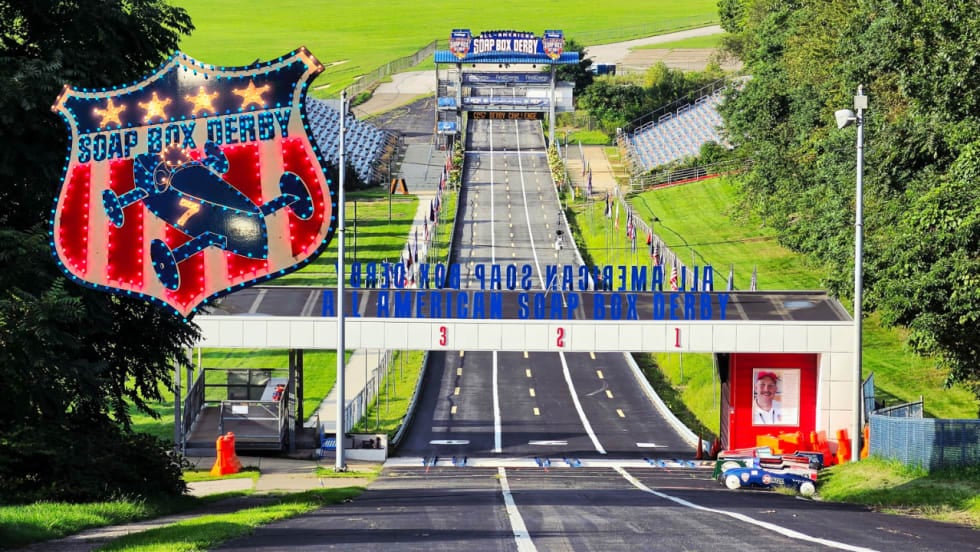
If We Want the Next Generation in Automotive, We Have to Give Them a Reason to Care
The automotive industry talks constantly about its workforce shortage. But before we can recruit the next generation, we may need to do a better job giving kids a reason to care about automotive in the first place.
Read More →
Ram ProMaster City Under $40K, Truck Tariffs, and AI Maintenance Lead the News
A sub-$40K commercial van, tariff questions, AI-powered maintenance, and a new EV production strategy headline this week’s Truck Chat Cheat Sheet.
Read More →
Bob Adamsky Shares the Fleet Lessons You Usually Learn the Hard Way
After more than 30 years in fleet, Arrow International’s Bob Adamsky has learned that the job is about far more than vehicles. He shares the lessons he wishes every fleet manager could learn a little earlier.
Read More →