




Isuzu, Utilimaster Unveil Reach Commercial Van
INDIANAPOLISIsuzu and Utilimaster unveiled a new commercial van that will come in two wheelbases and three body lengths.
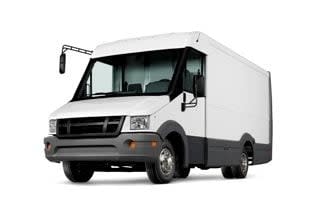
The Reach is powered by Isuzu's biodiesel fuel compatible 4JJ1-TC 3.0L turbocharged engine.
INDIANAPOLIS - Isuzu Commercial Truck of America, Inc. and Utilimaster, Inc. unveiled the Reach commercial van at The Work Truck Show 2011 in Indianapolis.
The commercial van—with a body designed by Utilimaster Corporation atop a Isuzu NPR ECO-MAX chassis and powered by Isuzu’s 3.0L diesel engine—will achieve 35 percent better fuel economy than a traditional commercial van application while offering the functionality of a custom-built work truck along with the styling and ergonomics of a cargo van, the companies stated. Production is scheduled to begin this summer. The Reach will be available through the Isuzu nationwide network of 284 dealers.
The Reach will be offered in two wheelbases—134 and 151 inches—and three body lengths—10, 12, and 14 feet. The cargo area can offer 450, 540, or 630 cubic feet of storage, depending on wheelbase and body length selected.
The video above shows the unveiling of the Isuzu, Utilimaster Reach Commercial Van at the NTEA Show in Indianapolis.
The Reach’s stripped chassis’ engine has been relocated to minimize engine protrusion into the cab, facilitating driver movement in and out of the front seat for improved productivity. Likewise, the driver seat position and numerous component locations have been revised to accommodate the walk-in van body. Otherwise, the van’ setup is like the 12,000-lb. GVWR Isuzu NPR ECO-MAX chassis.
Powering the Reach is Isuzu’s biodiesel fuel compatible 4JJ1-TC 3.0-liter turbocharged engine, capable of generating 150 hp, this engine is mated to an Aisin medium-duty six-speed automatic transmission with double overdrive, lock-up torque converter and power take-off (PTO) function. In independent testing, this powertrain achieved 35 percent better mileage than traditional commercial vans, according to the companies. The engine offers B10 durability ratings of 310,000 miles, meaning that 90 percent will reach that mileage before requiring an overhaul, the companies stated.
Like Isuzu’s N-Series trucks, the Reach’s 4JJ1-TC engine employs selective catalytic reduction (SCR) technology, which injects Diesel Exhaust Fluid (DEF) into the hot exhaust stream to reduce nitrogen oxide emissions by over 85 percent. As a result, the Reach is EPA 2010 compliant and CARB OBD II compliant.
Driver safety and productivity are enhanced by such features as:
Available sliding front door (swing-out doors are also available) that requires 15 seconds less to operate than a conventional door
Wide aisles
Sufficient interior height to give even drivers over six feet tall the ability to enter and exit the cab, and access and use the cargo area, in an upright position
Available integrated back-up camera
Available Keyless, auto-opening bulkhead door
Easy-to-access maintenance items
Features that maximize the utility and practicality of the Reach’s body include flat, vertical side walls; available sliding cab doors; and multiple rear-door options. In addition, a choice of integrated vocational modules will give buyers the opportunity to turn the cargo area into a space customized to their needs.
To achieve maximum durability of the Reach’s body, engineers have employed Impact-resistant urethane rear and lower exterior panels; rear spring bumper and energy-absorbing side bumpers; and one-piece molded roof to eliminate leaks. All body panels have been designed for quick removal and replacement so that, if repairs are necessary, technicians can quickly restore the vehicle to its original condition.
Among the industries and vocations the Reach is expected to appeal to:
Package delivery fleets
Contractors
Cleaning services
Plumbers
Moving and storage companies
Home health care providers
Locksmiths
Lease/rental agencies
Appliance repair and delivery firms
Dry cleaners and laundries
Heating and air conditioning technicians
Electricians
Airports
Florists
Rent-to-own outlets
Food distributors
More Operations
Family Ties Inside the Fleet Families Building Careers Across Generations
Three fleet families share what it really takes to work together, learn across generations, and keep business from following them home.
Read More →
Shades of Fleet Call for Voices: Fleet's Hidden Heroes
Fleet’s hidden heroes are often the ones keeping everything moving behind the scenes. September’s Shades of Fleet is looking for dispatchers, coordinators, parts specialists, and other support pros to share their stories.
Read More →
Truck Centers, Inc. Celebrates National Truck Driver Appreciation Week with $1,000 Fuel Card Giveaways
During National Truck Driver Appreciation Week, Truck Centers, Inc. is offering customers a chance to fuel up for free. Customers at all Truck Centers locations can enter to win one of four $1,000 fuel cards from Sept. 14 - 18.
Read More →
Fleet Guides, AI Time-Savers, Truck Tariffs & Fuel Strategy Lead the News
This week’s Truck Chat Cheat Sheet covers new fleet vehicle guides, practical AI use cases, U.S.-Canada truck production, mixed-energy strategy, and more.
Read More →
What Fleet Employers Are Missing When Hiring Veterans
What if some of the strongest candidates for fleet are already out there, but their experience is written in a language our industry does not always recognize?
Read More →
Automotive Fleet Opens 2026 Personal Use Survey for Commercial Fleet Managers
Less than two weeks left! Commercial and corporate fleet managers are invited to share how their organizations handle company vehicle personal-use policies, charges, and driver eligibility.
Read More →
What Resilient Fleets Do Differently When Conditions Change
Fleet resilience is about more than reacting to disruption. Lauren Fletcher talks with AP Fleet’s Alex Coveney about flexibility, planning, scaling, and what helps fleets adapt when business conditions shift.
Read More →
If We Want the Next Generation in Automotive, We Have to Give Them a Reason to Care
The automotive industry talks constantly about its workforce shortage. But before we can recruit the next generation, we may need to do a better job giving kids a reason to care about automotive in the first place.
Read More →
Ram ProMaster City Under $40K, Truck Tariffs, and AI Maintenance Lead the News
A sub-$40K commercial van, tariff questions, AI-powered maintenance, and a new EV production strategy headline this week’s Truck Chat Cheat Sheet.
Read More →
Bob Adamsky Shares the Fleet Lessons You Usually Learn the Hard Way
After more than 30 years in fleet, Arrow International’s Bob Adamsky has learned that the job is about far more than vehicles. He shares the lessons he wishes every fleet manager could learn a little earlier.
Read More →