




Industry Rules Set on Telematics; Automakers Seek Universal Standards
New standards for telematics that promise to bring new electronics into cars faster and more cheaply were announced Jan. 22 by an industry group. The Automotive Multimedia Interface Collaboration (AMIC), formed by major auto manufacturers, agrees on a first set of standards that will allow such electronic modules as voice recognition and mobile telephones to work with each other, regardless of which supplier they come from or what car they are installed in. The idea is similar to the electrical standards that exist for a house. Anybody's freezer, for instance, can be plugged in at anyone's house, because the plugs and electricity are standard. The first set of standards specifies a few details, including how to handle noncritical information, such as the radio station being listened to. With this information, a supplier of mirrors could, for example, design a rearview mirror that displays the radio station, and it would work with any manufacturer's car. During the next two years, more detailed standards are expected to be released involving such things as personal data assistants (PDAs), mobile telephones and the critical information on the car's internal high-speed computer network. The standards don't create new technologies, but they enable the implementation of existing technologies by raising the potential market size, according Michael Noblett, the AMIC program manager. Production of cars with electronic networks designed to the industry standards is expected to begin in 2003, according to a story by William Diem of the Detroit Free Press.
More Small Fleet


Developing Budget-Friendly Driver Safety Programs
From driver training and safety meetings to one-on-one coaching and incentive programs, several small fleets share how they have developed a safety culture with their drivers using low- to no-cost resources.
Read More →
Boosting Last-Mile Fleet Uptime, Safety, and Value with AI Vehicle Inspections
AI-powered inspections are transforming last-mile fleets by replacing manual checks with highly accurate automated scans that detect defects in seconds. By giving fleet operations visibility into the daily condition of their vehicles, you can identify trends over the vehicle’s lifecycle that enable improved procurement decisions, route management, driver training and accountability.
Read More →
Five Ways Seat Belts Help Prevent Injuries
There are five ways seat belts protect occupants from injuries, according to the Tennessee Department of Safety and Homeland Security.
Read More →
It’s here: The 2026 Fleet Technology Trends Report
What does AI mean for fleets? Get the answer — and learn other top tech trends.
Read More →
Small Fleets, Big Impact: How Independent Drivers Power Wreaths Across America
Check out how small fleets and independent drivers power Wreaths Across America each December and why their impact matters more than ever.
Read More →
VMS Survey Finds 65% of Small Fleet Managers Run Operations Alone
A new VMS survey shows small fleet managers are stretched thin, with most handling operations solo and eager to adopt digital tools for relief.
Read More →
Tips for Driving Safely on Halloween Night
This video features a reminder from the Connecticut Department of Transportation (DOT) and the Connecticut Police Chiefs Association, urging drivers to prioritize safety this Halloween.
Read More →
AI, Access, and Uptime: VMS’s Next Chapter with David Prusinski
VMS’s new Co-CEO, David Prusinski, shares how an AI-first approach will give small fleets and repair shops the tools to compete like big players.
Read More →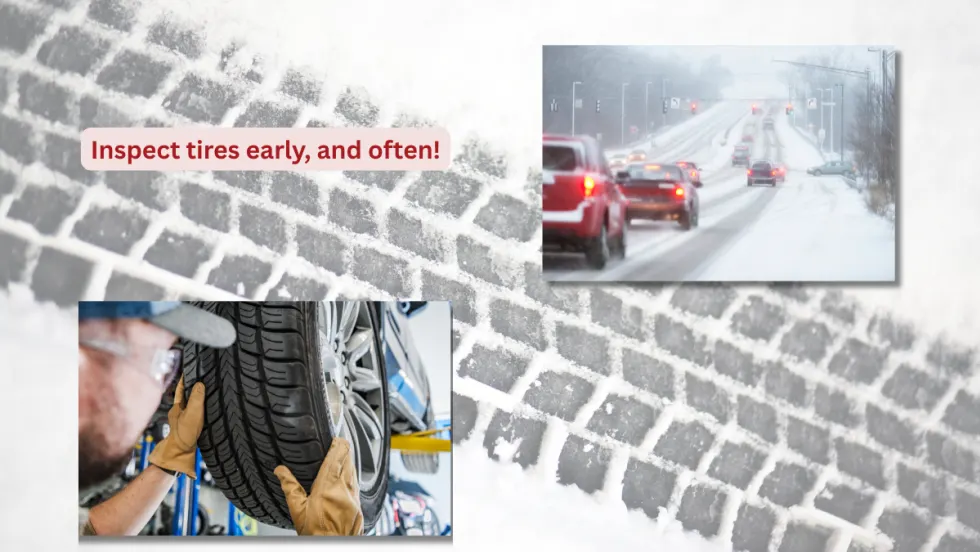
Fleet Managers Share Winter Prep Tips: It's Never Too Early!
Three fleets share best practices to prep vehicles for winter and prevent downtime when the cold sets in.
Read More →