




Honda Manufacturing of Alabama Begins Mass Production; Odyssey Minivans and V-6 Engines Rolling Off Line
Honda Manufacturing of Alabama (HMA) on Nov. 14 began mass production of Honda's benchmark Odyssey minivan and the V-6 engine that powers it -- approximately six months ahead of the original vehicle launch plan for the plant. Production at HMA will help meet customer demand for the hot-selling Odyssey, according to Mikio Yoshimi, president of HMA. "With dealer inventories currently in short supply it was necessary to accelerate the mass production start-up in Alabama to meet the needs of our customers and dealers," Yoshimi said. "This is the quickest ever construction of a new Honda auto plant in North America, but our goal is customer satisfaction, not record construction. I am extremely proud of what all of our associates in Alabama have accomplished, advancing the launch date while achieving Honda's high quality level." Associates at HMA have been conducting trial production for several months, refining new processes and equipment and learning to meet Honda's exacting standards for quality and efficiency. In fact, the Nov. 14 official mass production line-off culminated several weeks of department-by-department production start-ups in stamping, welding, painting, plastic injection molding, engine casting and machining, body and engine assembly and other areas, according to HMA. HMA's engine plant, for instance, has been casting engine blocks for several weeks that will be used in yet-to-be produced Odysseys. Honda announced in May 1999 its plans to build a plant in Alabama, with the original mass production start-up scheduled for April 2002. At the April 2000 groundbreaking, HMA announced it would accelerate the start-up of production to late 2001, with plans to reach employment of 1,500 associates when HMA meets its annual production of 120,000 vehicles and 120,000 engines in late 2002. Currently, HMA employs approximately 1,100 associates. The start-up of HMA increases Honda's capital investment in North America to more than $6 billion, raises Honda's North American employment to more than 25,000 associates and brings to 11 the number of major Honda manufacturing plants in North America. HMA says it will help boost total North American auto production capacity to 1.18 million units by late 2002. The Tokyo-based company has had difficulty meeting Odyssey demand. Honda builds 135,000 of the vehicles annually at an Alliston, Ontario, plant, where it also produces 45,000 Acura MDX sport-utility vehicles. This year through October, Honda sold 107,028 Odysseys in the U.S., down 0.5 percent from the year-ago period, as higher MDX production curbed output of the minivan. About Honda Honda bills itself as the world's preeminent engine-maker, building more than 11 million engines globally in 2000 for its diverse line-up of automobiles, motorcycles and power products. Honda began operations in North America in 1959 with the establishment of American Honda Motor Co., Inc., Honda's first overseas subsidiary. Using domestic and globally-sourced parts, Honda began assembling motorcycles in America in 1979, with U.S. automobile manufacturing starting in 1982. Honda designs, manufactures and markets its products in North America and worldwide. Honda currently builds products in 11 manufacturing plants in North America, with three major research and development centers in the U.S.
More Small Fleet

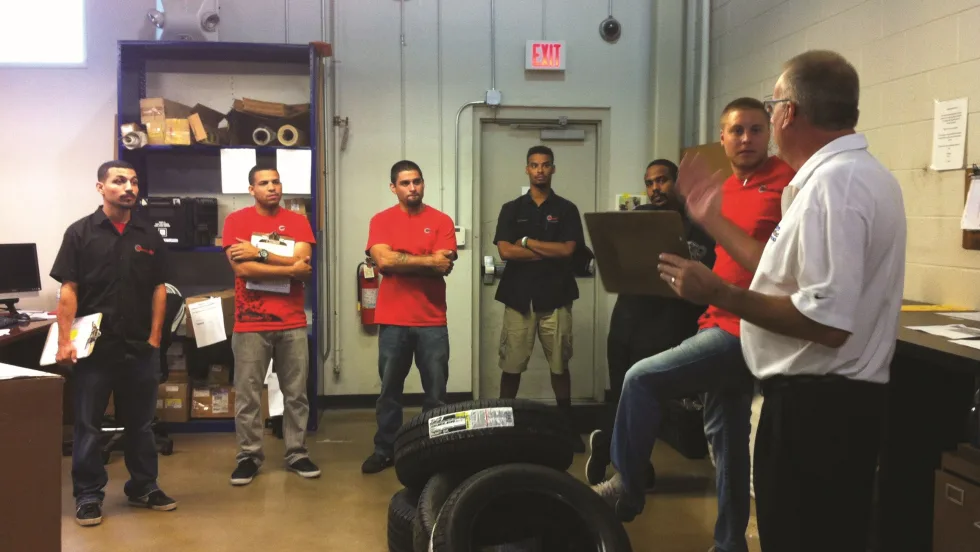
Developing Budget-Friendly Driver Safety Programs
From driver training and safety meetings to one-on-one coaching and incentive programs, several small fleets share how they have developed a safety culture with their drivers using low- to no-cost resources.
Read More →
Boosting Last-Mile Fleet Uptime, Safety, and Value with AI Vehicle Inspections
AI-powered inspections are transforming last-mile fleets by replacing manual checks with highly accurate automated scans that detect defects in seconds. By giving fleet operations visibility into the daily condition of their vehicles, you can identify trends over the vehicle’s lifecycle that enable improved procurement decisions, route management, driver training and accountability.
Read More →

Five Ways Seat Belts Help Prevent Injuries
There are five ways seat belts protect occupants from injuries, according to the Tennessee Department of Safety and Homeland Security.
Read More →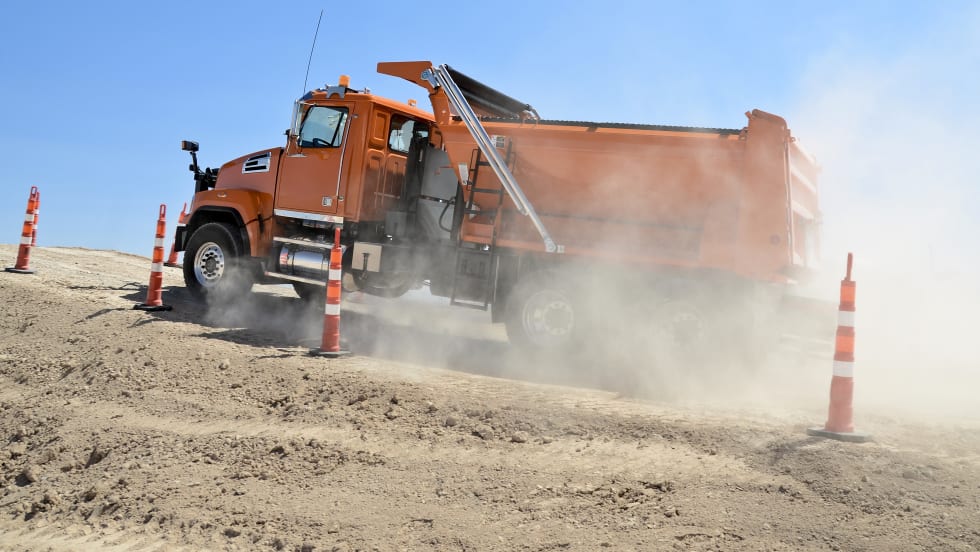
Basic Tracking vs Next Generation Fleet Technology
Fleet software is getting more sophisticated and effective than ever, tying big data models together to transform maintenance, safety, and the value of your existing tech stack. Fleet technology upgrades are undoubtedly an investment, but updated technology can offer a much higher return. Read how upgrading your fleet technology can increase the return on your investment.
Read More →
It’s here: The 2026 Fleet Technology Trends Report
What does AI mean for fleets? Get the answer — and learn other top tech trends.
Read More →
Small Fleets, Big Impact: How Independent Drivers Power Wreaths Across America
Check out how small fleets and independent drivers power Wreaths Across America each December and why their impact matters more than ever.
Read More →
VMS Survey Finds 65% of Small Fleet Managers Run Operations Alone
A new VMS survey shows small fleet managers are stretched thin, with most handling operations solo and eager to adopt digital tools for relief.
Read More →
Tips for Driving Safely on Halloween Night
This video features a reminder from the Connecticut Department of Transportation (DOT) and the Connecticut Police Chiefs Association, urging drivers to prioritize safety this Halloween.
Read More →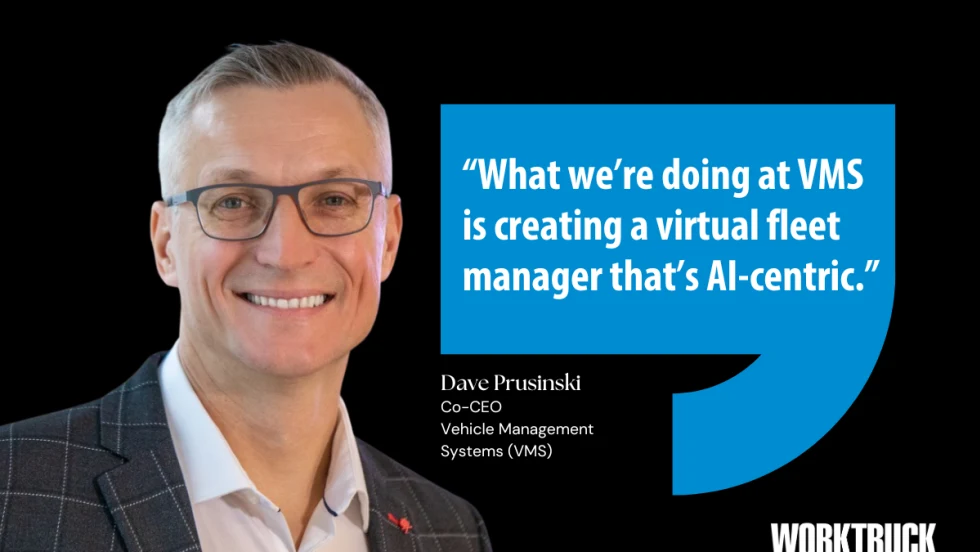
AI, Access, and Uptime: VMS’s Next Chapter with David Prusinski
VMS’s new Co-CEO, David Prusinski, shares how an AI-first approach will give small fleets and repair shops the tools to compete like big players.
Read More →