




Ford to Offer 50th Anniversary E-Series Van
DEARBORN, MI - To commemorate 50 years since the E-Series' debut in 1961, Ford announced it will offer a special 50th anniversary edition, available as an XLT model, the van's premium package.
DEARBORN, MI - To commemorate 50 years since the E-Series' debut in 1961, Ford announced it will offer a special 50th anniversary edition, available as an XLT model, the van's premium package.
The anniversary edition features unique blue metallic exterior paint, specially embroidered "Econoline" front seatbacks and unique "Econoline 50 Years" badging on the left-rear cargo door.
E-Series debuted as the Econoline in 1961, designed for commercial customers. Three body styles were available - pickup, delivery van, and station bus. The pickup delivered up to 30 mpg and carried a three-quarter-ton payload in a big 7-foot box. The van offered 204 cubic feet of cargo space - up to 57 cubic feet more than competitors - and had double doors at the side and rear for easy loading. The station bus, with twice the interior room of the biggest station wagon of the day, was designed to accommodate up to eight passengers when fitted with two optional bench seats as well as the standard driver and passenger buckets, according to Ford.
A few highlights of the E-Series' history include:
1961: Econoline is introduced for commercial customers with three body styles: delivery van, pickup, and station bus.
1962: Club Wagon introduced as passenger and load-carrying vehicle with light towing capabilities.
1963: Seat belts introduced as an option.
1965: SuperVan (extended, bustle-back model) introduced mid-year.
1968: Second-generation Econoline vans available in three series: E-100, E-200 and E-300 (air conditioning offered for the first time).
1971: Econoline Parcel Delivery Van added to lineup.
1975: Third-generation Econoline debuts with body-on-frame construction, higher gross vehicle weight ratings, improved interior package and wider selection of engines. This design was offered in the same basic configuration for the next 17 years.
1976: Factory-customized, youth-oriented Cruising Van debuts with mod paint schemes, carpeted interior and porthole panel windows.
1978: Econoline chassis cab model debuts.
1981: Higher payloads appear on most models.
1983: Super Wagon reintroduced to lineup.
1987: E-250 eight-passenger Club Wagon added.
1992: Fourth-generation introduced - Van and Club Wagon; Chateau Wagon is MOTOR TREND Truck of the Year.
1995: Econoline attained leadership in the full-size van market with 48 percent share of its segment, 33 percent of the van conversion market, 90 percent of the Class C motor home conversion market, 40 percent of the parcel delivery van market (Econoline chassis), 90 percent of the ambulance market (Econoline commercial cutaway chassis) and 39 percent of the passenger van market (Club Wagon).
1997: New standard V-6 engine offered along with the 6.8L V-10.
2001: E-Series name debuts in Ford literature.
2005: Powertrain options now include V-8, 6.0LPower Stroke V-8 turbo diesel and V-10.
2006: Last E-Series model produced at Lorain Assembly Plant in Ohio.
2007: First E-Series model produced at Ohio Assembly Plant in Avon Lake.
2008: E-Series debuts as strictly a commercial vehicle.
Originally posted on Automotive Fleet
More Operations
Family Ties Inside the Fleet Families Building Careers Across Generations
Three fleet families share what it really takes to work together, learn across generations, and keep business from following them home.
Read More →
Shades of Fleet Call for Voices: Fleet's Hidden Heroes
Fleet’s hidden heroes are often the ones keeping everything moving behind the scenes. September’s Shades of Fleet is looking for dispatchers, coordinators, parts specialists, and other support pros to share their stories.
Read More →
Truck Centers, Inc. Celebrates National Truck Driver Appreciation Week with $1,000 Fuel Card Giveaways
During National Truck Driver Appreciation Week, Truck Centers, Inc. is offering customers a chance to fuel up for free. Customers at all Truck Centers locations can enter to win one of four $1,000 fuel cards from Sept. 14 - 18.
Read More →From Our Partners


Fleet Guides, AI Time-Savers, Truck Tariffs & Fuel Strategy Lead the News
This week’s Truck Chat Cheat Sheet covers new fleet vehicle guides, practical AI use cases, U.S.-Canada truck production, mixed-energy strategy, and more.
Read More →
What Fleet Employers Are Missing When Hiring Veterans
What if some of the strongest candidates for fleet are already out there, but their experience is written in a language our industry does not always recognize?
Read More →
Automotive Fleet Opens 2026 Personal Use Survey for Commercial Fleet Managers
Less than two weeks left! Commercial and corporate fleet managers are invited to share how their organizations handle company vehicle personal-use policies, charges, and driver eligibility.
Read More →
What Resilient Fleets Do Differently When Conditions Change
Fleet resilience is about more than reacting to disruption. Lauren Fletcher talks with AP Fleet’s Alex Coveney about flexibility, planning, scaling, and what helps fleets adapt when business conditions shift.
Read More →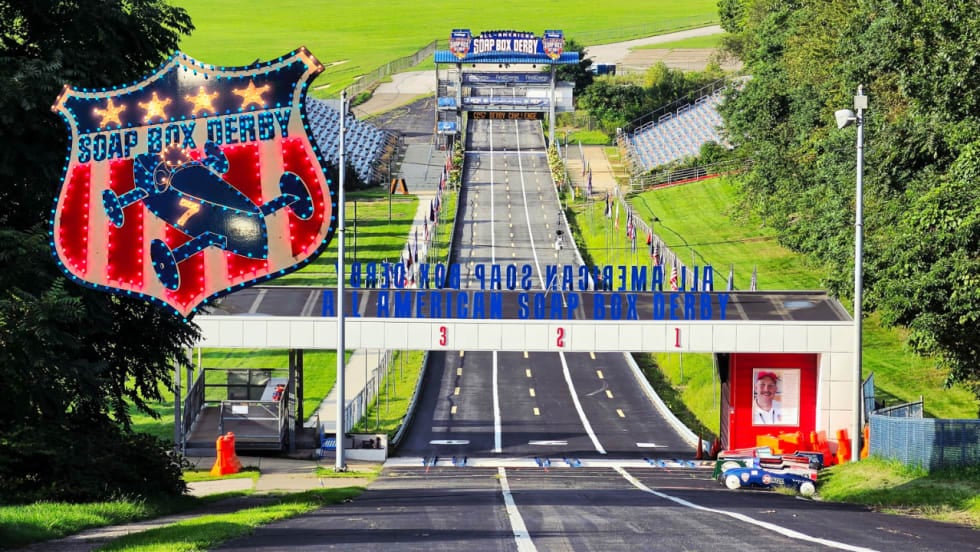
If We Want the Next Generation in Automotive, We Have to Give Them a Reason to Care
The automotive industry talks constantly about its workforce shortage. But before we can recruit the next generation, we may need to do a better job giving kids a reason to care about automotive in the first place.
Read More →
Ram ProMaster City Under $40K, Truck Tariffs, and AI Maintenance Lead the News
A sub-$40K commercial van, tariff questions, AI-powered maintenance, and a new EV production strategy headline this week’s Truck Chat Cheat Sheet.
Read More →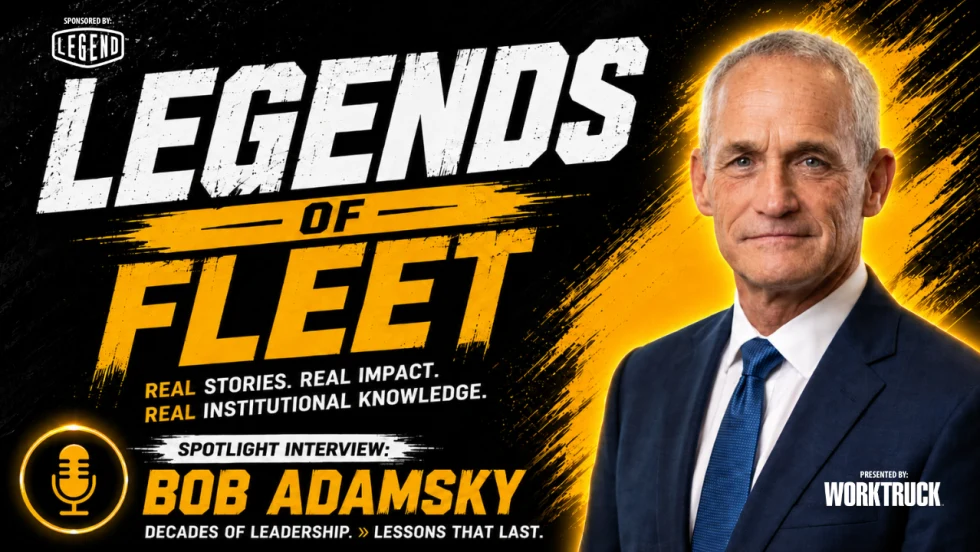
Bob Adamsky Shares the Fleet Lessons You Usually Learn the Hard Way
After more than 30 years in fleet, Arrow International’s Bob Adamsky has learned that the job is about far more than vehicles. He shares the lessons he wishes every fleet manager could learn a little earlier.
Read More →